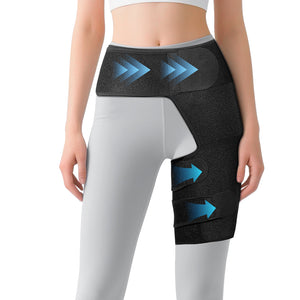
Tennis Brace
- Black
- Grey
- Blue
- Purple
- Pink
- Black
- Dusty Blue
- Blue
- Pink
- White
- Black
- Green
- Orange
- Pink
- Black
- Orange
- Green
- Pink
- Black
- Red
- Blue
- Orange
Where to Place a Tennis Elbow Brace?
Living with lateral epicondylitis can turn simple daily tasks into painful challenges. Whether you are swinging a racket on the court, typing at a desk for hours, or engaging in heavy manual labor, repetitive arm motions can lead to severe discomfort in the outer part of your elbow. When this tendon strain flares up, it can significantly limit your grip strength and range of motion.
One of the most highly recommended and effective conservative treatments for managing this discomfort is wearing a targeted support band. However, simply wrapping a strap around your arm won't give you the results you want. To effectively divert stress away from the inflamed tendons, you need to know exactly how and where to position the gear.
Understanding Tennis Elbow (Lateral Epicondylitis)
Before mastering supportive gear placement, it helps to understand what is happening beneath the skin. Tennis elbow is a repetitive strain injury affecting the extensor tendons in your forearm. These tendons attach to the lateral epicondyle—the bony bump on the outside of your elbow.
When you repeatedly grip, twist, or lift, micro-tears can develop in these tendons, leading to inflammation and pain. Despite its name, this condition is not limited to athletes; it is incredibly common among office workers, carpenters, painters, and weightlifters.
How a tennis brace works for Elbow Pain Relief
When you experience forearm tendonitis, every movement of your hand and wrist pulls directly on the injured tissue at the elbow joint. A properly placed tennis brace acts as a secondary attachment point for your forearm muscles.
By applying localized compression, the support band absorbs the shock and stress from hand and wrist movements. This stops the strain from traveling all the way up to the damaged tendons at the lateral epicondyle, giving the micro-tears a chance to rest and heal while you go about your day.
Step-by-Step Guide: Where to Place Your Elbow Strap
For the compression to work effectively, a precise location is critical. Placing the band directly over the elbow joint or too far down the wrist will render it ineffective. Follow these three steps for perfect placement:
Step 1: Locate the Lateral Epicondyle
Bend your elbow to a 90-degree angle. Use your opposite hand to feel the outside of your elbow joint. Look for a prominent bony bump. This is the lateral epicondyle, where the inflamed tendons attach to the bone.
Step 2: Measure Down the Forearm
Do not place the band directly over the painful bony bump. Instead, measure about 1 to 2 inches (about two finger widths) down your forearm toward your wrist. The strap should rest on the thickest part of the forearm muscle belly.
Step 3: Position the Pressure Pad
Most high-quality straps feature an elevated pressure pad or a gel cushion inside the band. Ensure that this pad is positioned on the outer top section of your forearm, resting directly over the extensor muscles. Once the pad is in place, thread the strap through the buckle and fold it back to fasten it securely.
Finding the Right Fit: How Tight Should It Be?
Once you have the location right, your next priority is achieving the right level of tightness. A common mistake is securing the band as tightly as possible, assuming more pressure equals faster healing. Unfortunately, overtightening can cut off blood circulation, compress underlying nerves, and cause numbness or tingling in your fingers.
The Finger Rule: Adjust the strap so that it is comfortably snug. It should provide firm compression when you clench your fist but remain relatively relaxed when your hand is open. A good rule of thumb is that you should be able to slide one finger snugly between your skin and the band. If you cannot fit a finger underneath, it is too tight.
When and How Long Should You Wear Your Support?
To get the most out of your rehabilitation gear, use it strategically.
- During Aggravating Activities: Wear the band whenever you perform activities that require repetitive gripping, lifting, or twisting. This includes playing racket sports, typing on a keyboard, doing yard work, or lifting weights at the gym.
- During the Recovery Phase: In the early, acute stages of a tendon injury, wearing the band throughout the day can prevent accidental tweaks and twinges.
- At Night: Generally, it is not recommended to wear a compression strap while sleeping. Your arm is mostly at rest at night, and a tight band can restrict the blood flow needed for cellular repair.
Types of Supports: Forearm Straps vs. Compression Sleeves
When shopping for lateral epicondylitis relief, you will generally encounter two main designs. Choosing the right one depends on your specific lifestyle and comfort preferences:
Forearm Straps
These are minimalist, narrow bands that wrap specifically around the upper forearm. They are lightweight, highly adjustable, and easy to put on. Because they don't cover the elbow joint itself, they allow a complete, unrestricted range of motion, making them a favorite for active individuals and manual laborers.
Full Compression Sleeves
Elbow sleeves pull up over the entire arm, covering the forearm, the elbow joint, and the lower bicep. While they may not offer the intense, localized pressure of a strap, they provide widespread compression and retain body heat. This added warmth increases blood circulation to the joint, which can soothe stiff muscles and promote faster healing. Some people even choose to wear a lightweight sleeve with a targeted strap layered over it for maximum benefit.
Seeking Professional Guidance
While supportive bands are excellent tools for managing daily pain, they are just one piece of the recovery puzzle. Before starting any new rehabilitation regimen, it is always smart to consult a physical therapist or licensed healthcare professional.
A specialist can confirm whether your outer elbow pain is truly lateral epicondylitis or if it stems from a different issue, such as nerve entrapment. They can also show you customized stretching routines, eccentric strengthening exercises, and ergonomic adjustments that complement your supportive gear and help you achieve a full, lasting recovery.
By prioritizing proper placement, securing a comfortable fit, and wearing your gear consistently during triggering activities, you can successfully manage the frustration of forearm tendonitis and get back to the hobbies and work you love, entirely pain-free.