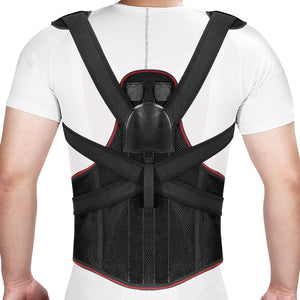
Tennis Elbow Wrap
- Black
- Grey
- Blue
- Purple
- Pink
- Black
- Dusty Blue
- Blue
- Pink
- White
- Pink
- White
- Yellow
- Purple
- Black
- Black
- Grey
- Grey
- Black
- Blue
- Grey
- Blue
- Black
- Black
- Blue
Should I Wrap My Tennis Elbow at Night?
Although its name suggests it only plagues athletes swinging a racket on the court, tennis elbow—clinically referred to as lateral epicondylitis—can strike almost anyone. From avid gardeners and enthusiastic DIYers to daily computer typists, anyone performing repetitive wrist and arm motions can develop this frustrating, painful condition. As the nagging ache sets in, a common question arises among those seeking relief: Should I wrap my affected arm at night?
When deciding whether to use nighttime compression for forearm tendonitis and elbow pain, several critical factors must be evaluated. Finding the perfect balance between joint immobilization and healthy blood flow is the key to waking up refreshed rather than in agony.
Why Does Tennis Elbow Hurt at Night?
Before diving into nighttime wrapping strategies, it is helpful to understand why your arm might throb when you finally hit the mattress. After a long day of repetitive strain, the tendons connecting your forearm muscles to your elbow become inflamed. When you rest, your body initiates its natural repair processes, which can paradoxically increase localized swelling and stiffness. Furthermore, many people unknowingly sleep with their arms tightly bent or roll over onto their sore joints, aggravating the micro-tears in the tendon while they are completely unaware.
The Benefits of Wrapping Your Elbow for Sleep
For many individuals dealing with lateral epicondylitis, securing the arm before bed offers distinct physical and psychological advantages.
Enhanced Security and Comfort
Sleeping with a supportive garment can provide a deep sense of security and comfort. A gentle layer of compression minimizes erratic, involuntary movements, preventing your elbow from bending in awkward or extreme ways that could severely worsen the condition. This is particularly beneficial for restless sleepers who toss, turn, or frequently change positions throughout the night. By keeping the arm in a relatively neutral posture, you significantly reduce the strain placed on the healing extensor tendons.
Potential Risks: Circulation and Swelling
While adding a layer of support can be highly beneficial, nighttime wrapping does not come without potential drawbacks.
The Danger of Restricted Blood Flow
Prolonged, tight compression during the night may lead to unintended circulation issues. If a wrap is secured too tightly, it can act almost like a tourniquet, leading to increased swelling, tingling, or numbness in the fingers and lower arm. It is crucial to listen to your body and carefully assess how your arm responds. While some individuals thrive with the added stability, others may experience worsening stiffness or pain upon waking. If you wake up with throbbing fingers or a cold hand, your support is fastened far too tightly.
Recovery Stages: When Do You Really Need It?
The need to stabilize your arm depends heavily on where you currently stand in your personal recovery journey.
The Acute Phase
In the early, acute stages of tennis elbow, pain and inflammation are usually at their peak. During this highly sensitive window, wearing a reliable tennis elbow wrap during both daytime activities and nighttime rest can offer much-needed protection against accidental bumps, twists, and overextension.
The Rehabilitation Phase
As your recovery progresses, inflammation subsides, and active rehabilitation exercises begin, your reliance on nighttime compression should naturally decrease. Prolonged immobilization over months can eventually lead to muscle weakness and joint stiffness. Nighttime wrapping should be continuously re-evaluated based on your current comfort and pain levels. Eventually, allowing your arm to sleep free of any restrictions will promote better natural blood flow and optimal long-term tissue health.
Best Practices for Sleeping with Arm Pain
If you decide that wrapping your arm at night is the right choice for your current stage of healing, keep these vital tips in mind to maximize your comfort and boost your recovery:
- Keep it Loose: A nighttime wrap should be noticeably looser than one worn during heavy daytime activities. The primary goal is gentle warmth and slight restriction, not heavy, aggressive compression.
- Elevate Your Arm: Try sleeping with your affected arm slightly elevated on a soft, comfortable pillow. This utilizes gravity to naturally drain excess fluid and reduce nighttime throbbing and inflammation.
- Apply Cold Therapy Before Bed: To calm the aggravated tendon before you sleep, apply an ice pack to the outer elbow for 15 minutes prior to turning in. This numbs the pain and tackles inflammation right before your body goes into resting mode.
- Maintain a Neutral Sleep Posture: Avoid sleeping in the fetal position with your arms tightly folded up to your chest. This position keeps the elbow tendons stretched and under high tension for hours at a time.