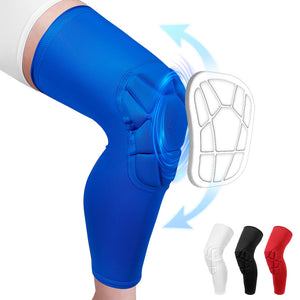
Youth Ankle Brace
- Black
- Orange
- Green
- Pink
- Black
- Grey
- Blue
- Pink
- Purple
- Black
- Red
- Blue
- Orange
Should Kids Wear Ankle Braces?
Ankle injuries are common among children, particularly those actively participating in youth sports and other dynamic physical activities. Whether your child is pivoting on the basketball court, making quick cuts on the soccer field, or executing high-impact tumbling routines in gymnastics, the risk of twisting, rolling, or spraining an ankle is ever-present. As parents, coaches, and guardians, we naturally look for effective ways to protect young athletes. One of the most common questions raised in this pursuit of safety is whether kids should use protective gear for their lower extremities. The answer is highly nuanced, and this comprehensive guide will explore the importance of youth support options, the pros and cons, and their appropriate use in specific athletic situations.
Understanding the Different Types of Support
Support garments designed for the lower extremities are specialized accessories that provide varying degrees of joint stability. Their primary function is to help prevent injuries during rigorous physical activities. The market offers a wide spectrum of designs tailored to young athletes. For instance, soft compression sleeves provide minimal to moderate support, focusing on promoting blood flow, reducing swelling, and keeping the joint warm.
On the other end of the spectrum, rigid ankle injury braces feature sturdy lateral supports that can significantly limit potentially harmful mobility, preventing the foot from awkwardly rolling inward or outward. This wide variety ensures that parents and caregivers can pinpoint the exact level of protection tailored to their child’s unique physical needs and activity levels.
The Primary Benefits of Preventive Gear for Kids
When assessing the value of ankle braces, injury prevention stands out as the most significant advantage. For children who have previously suffered an ankle sprain, a weakened joint is highly susceptible to future damage. Wearing a dedicated support can provide the vital additional stability needed, allowing young athletes to confidently return to their favorite activities with a substantially lower risk of re-injury.
Enhanced Support for High-Impact Activities
This protection is especially crucial for youth athletes who train intensively or participate in multidirectional sports such as tennis, volleyball, or track and field. Properly fitted leg and ankle braces absorb some of the shock and stress placed on the lower body, efficiently reducing the incidence of debilitating sprains and strains among active youth.
Is It Always the Right Choice? Understanding the Drawbacks
While the benefits are clear, it is essential to understand that protective supports should not be viewed as a universal, one-size-fits-all solution. In fact, not every child requires an ankle stabilizer brace to perform safely. Some kids naturally develop robust joint stability and may actually perform better with unrestricted natural movement.
One of the primary concerns with the continuous use of external supports is the potential for over-reliance. If a child wears a rigid support constantly—even during low-impact activities or downtime—the muscles, tendons, and ligaments that naturally stabilize the joint may not develop adequate strength. Over time, this excessive dependency can inadvertently lead to weakness, making the ankle more vulnerable to injury when the support is eventually removed.
How to Decide What Is Best for Your Child
Determining whether your young athlete needs external joint support involves careful evaluation. Here are some critical factors to consider when making your decision:
Evaluate Previous Injury History
If your child has a history of chronic ankle instability or frequent, recurring sprains, extra support during the recovery and return-to-play phases is often highly beneficial.
Assess the Sport's Intensity
High-contact and high-velocity sports pose a much greater risk of lower-body injuries than linear activities like jogging or swimming. Always match the level of protection to the physical demands of the specific sport.
Consult Healthcare Professionals
It is incredibly crucial for parents to consult with a healthcare professional, such as a pediatrician, physical therapist, or certified athletic trainer, to evaluate their child’s specific biomechanical needs. A professional assessment will take into account the child’s physical development, gait, and long-term athletic goals before recommending any gear.
The Crucial Role of Conditioning and Exercise
An effective injury prevention strategy should never rely on supportive gear alone. Experts routinely recommend combining external supports with targeted strength training and proprioceptive balance exercises. Engaging in daily routines that focus on single-leg balance, calf raises, and resistance-band workouts will promote overall stability and natural resilience of the ankle complex. By fostering strong muscles and ligaments from an early age, children can gradually reduce their reliance on protective accessories and enjoy a lifetime of healthy, active, and injury-free movement.