Are Knee Sleeves Necessary for Weightlifting?
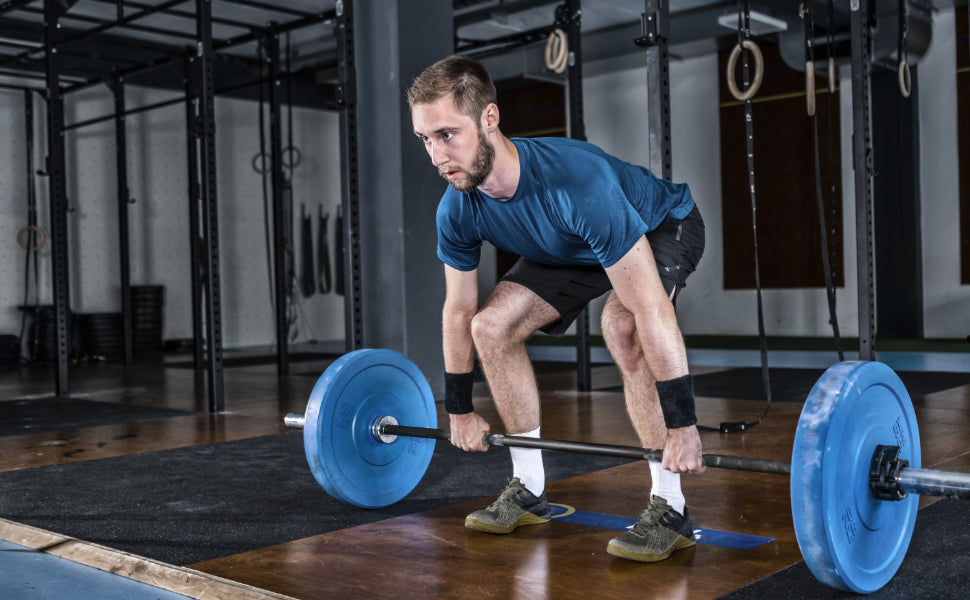
In high-intensity training, athletes constantly seek tools to improve performance and protect their joints. Among the most visible accessories in any gym are neoprene supports wrapped around the legs of lifters. Athletes entering the gym often wonder whether investing in weightlifting knee sleeves is a crucial step for progress or simply a matter of personal preference. While these supports are ubiquitous on competition platforms and in local training facilities, understanding their actual utility helps lifters make informed decisions for their training regimens.
Mechanics of Compression and Joint Support
Understanding how protective gear interacts with body mechanics reveals why so many lifters rely on compression during heavy sessions. Compression gear operates on several key physiological principles:
-
Enhanced Blood Flow and Warmth: Neoprene material traps body heat directly around the joint complex, which accelerates local tissue warming and promotes blood circulation. Elevated local temperature keeps muscles, tendons, and surrounding ligaments pliable, effectively reducing joint stiffness during heavy squats or dynamic cleans.
-
Proprioceptive Sensory Feedback: Compression increases sensory feedback to the central nervous system, a physiological process known as proprioception. When elastic material fits snugly against the skin, mechanical pressure provides continuous neural tactile cues. This heightened sensory awareness allows lifters to maintain optimal joint position and control under heavy loads.
-
Structural Stability and Passive Resistance: While not as rigid as mechanical braces, thick neoprene provides subtle surface stabilization. A quality knee sleeve offers gentle external support that resists unwanted lateral displacement, helping athletes keep their joints aligned over their toes during deep movement patterns.
Key Differences Between Sleeves and Braces
Many beginners confuse basic compressive wraps with medical stabilization devices. Selecting the wrong support can hinder mobility or fail to provide the desired outcome.
| Feature | Sleeves | Braces |
| Primary Material | Neoprene or Elastic Knitted Fabric | Rigid Plastic, Metal Hinges, or Adjustable Straps |
| Primary Function | Heat Retention, Compression, Proprioception | Mechanical Immobilization and Structural Ligament Protection |
| Flexibility | High Flexibility for Natural Movement | Restricted Motion across Specific Planes |
| Primary Use Case | General Strength Training and Performance | Post-Injury Rehabilitation and Structural Instability |
Material Flexibility and Range of Motion
Compression sleeves slide on easily and contour directly to the limb. They move naturally with the leg without restricting the flexion and extension required for full-depth squats, snatches, or dynamic lunges. This unhindered movement makes them ideal for dynamic strength training where maintaining full range of motion is paramount.
Mechanical Restraints of Medical Support Devices
In contrast, a weightlifting knee brace features rigid stays, hinges, or heavy-duty straps explicitly designed to mechanically constrain movement. These appliances isolate joint structures to prevent further damage following acute trauma or ligament ruptures. Utilizing a heavy weightlifting knee brace during standard strength workouts is unnecessary for healthy athletes and can unnecessarily restrict fluid movement.

Evaluating Practical Necessity for Lifters
Determining whether compression support is essential depends on an athlete's goals, current training volume, and individual joint health across distinct lifter profiles:
High-Volume Strength Athletes
For powerlifters, Olympic lifters, and functional fitness competitors, compression equipment is often considered an essential asset. Training multiple times per week with high loads places continuous mechanical stress on connective tissues. Using weightlifting knee sleeves regularly helps manage routine fatigue, keeps joints warm during long rest periods, and facilitates recovery between grueling workouts.
Dynamic Olympic Lifters and Functional Competitors
Athletes participating in explosive snatch and clean-and-jerk movements require gear that accommodates high velocity. In functional fitness environments where athletes transition rapidly between barbell work and bodyweight movements, flexible compression gear supports joint stability during dynamic movement without shifting out of place.
Recreational Gym Enthusiasts
Lifters engaged in general fitness or light hypertrophy work may not strictly require compression equipment. Bodyweight movements, light dumbbell routines, and machine-based exercises place far less demand on joint structures. For these individuals, proper warm-ups, mobility drills, and gradual loading progressions are sufficient to maintain healthy joints without relying on external gear.
Lifters Recovering from Minor Discomfort
Athletes returning from mild stiffness or non-structural strain often find that a firm knee sleeve offers enough comfort to resume light training safely. The combination of heat retention and light compression helps dull minor discomfort, allowing athletes to rebuild baseline strength while avoiding unnecessary tissue irritation.
Selecting Quality Gear for Strength Training
Choosing the right equipment ensures optimal performance and durability over hundreds of workout sessions. Consider the following key criteria when purchasing:
-
Thickness and Material Density Options: Neoprene thickness directly impacts the level of compression and support provided:
-
3mm Thickness: Ideal for endurance sports, agility training, and warm climates where maximum flexibility and light warmth are desired without bulk.
-
5mm Thickness: Offers a versatile balance of compression, warmth, and flexibility for everyday strength training, hypertrophy workouts, and mixed sessions.
-
7mm Thickness: Provides maximal density, heavy compression, and structural stability preferred by powerlifters and heavy squat enthusiasts under heavy loads.
-
-
Sizing Accuracy and Fit: Proper fit is essential for technical performance. Gear that is too loose will slide down during movement, failing to maintain compression or warmth. Conversely, gear that is too tight can restrict blood flow and pinch skin behind the joint. Athletes should measure their calf and lower leg circumference against manufacturer sizing charts to secure a snug fit.
-
Construction Durability and Brand Quality: Durable stitching and reinforced seams prevent gear from splitting under high tension. Trusted equipment providers like Fivali design ergonomic sleeves that conform naturally to leg contours without bunching up behind the joint during deep squats. Investing in well-constructed products guarantees long-lasting performance and reliable joint support over extended training cycles.
Integrating Support Gear Into Daily Workouts
External support should enhance sound training practices, not replace them. Follow these best practices for seamless integration into daily training routines:
Prioritizing Dynamic Warm-ups
Compression tools are not a substitute for active movement preparation. Athletes must perform dynamic mobility drills, light cardio, and progressive ramp-up sets to elevate core body temperature and prime muscle groups before slipping on their gear.
Saving Compression for Heavy Working Sets
To maintain natural joint strength and encourage tissue adaptation, lifters often perform light warm-up sets without external assistance. Donning compression gear specifically for heavier working loads allows surrounding musculature to adapt naturally while retaining peak support for maximal effort attempts.
Managing Hygiene and Regular Maintenance
Neoprene materials trap moisture, sweat, and skin oils during intense training sessions. Leaving gear damp inside gym bags encourages bacterial growth and unpleasant odors. Athletes should air out their equipment after every workout and hand wash it regularly with mild detergent to preserve material elasticity and hygienic standards.
Final Verdict on Compression Gear
Compression accessories are not strictly mandatory for every individual entering a gym, but they offer distinct physiological benefits for dedicated lifters. By boosting circulation, improving joint spatial awareness, and offering mild mechanical support, high-performance sleeves enhance training comfort and performance under heavy loads. When combined with intelligent programming, progressive overload, and proper movement mechanics, compression equipment serves as a valuable asset for long-term athletic development.