Does Compression Help Sciatic Nerve Pain?

Sitting for eight to ten hours a day at a desk has become standard for office workers, remote employees, and drivers. However, prolonged sitting puts incredible pressure on the lower back, hips, and spinal discs. Over time, this sedentary routine can inflame the sciatic nerve, triggering radiating discomfort that travels down the lower back through the hips and legs. Finding practical, non-invasive ways to manage daily tightness becomes a top priority for anyone sitting through long work shifts. Compression wear and specialized braces have emerged as popular tools for day-to-day support, but understanding how targeted pressure works can help individuals decide if it fits their daily routine.
The Mechanics of Sciatic Discomfort in Sedentary Lifestyles
Long periods of sitting cause the gluteal muscles to deactivate, the hip flexors to tighten, and the lumbar spine to flatten or slump. This mechanical breakdown places disproportionate strain on the lower back and pelvis.
Pressure on the Lumbar Spine
When sitting in an office chair, spinal pressure increases compared to standing. The lower lumbar vertebrae absorb the weight of the upper body, which can irritate nerve roots as they exit the spinal column.
-
Gluteal and Piriformis Tightness: A sedentary habit leads to tight piriformis muscles deep within the buttocks. Because the sciatic nerve passes directly near or through this muscle, muscle tension easily compresses the nerve, causing tingling or shooting discomfort down the thigh.
-
Pelvic Misalignment: Sitting unequally or leaning to one side shifts the pelvis, creating asymmetrical traction on nerve pathways.
How Compression Aids Lower Body Support
Compression garments apply direct, localized pressure to soft tissues, pelvic joints, and major muscle groups. While compression does not cure underlying structural spinal issues, it offers significant mechanical benefits for daily activity and static sitting.
| Benefit Type | Primary Mechanism | Everyday Impact for Desk Workers |
| Circulatory Support | Encourages steady blood flow to tight lower body muscles | Delivers fresh oxygen to fatigue-prone tissues during long hours |
| Sensory Feedback | Provides continuous tactile awareness to skin and joints | Reminds the wearer to maintain alignment and avoid jarring shifts |
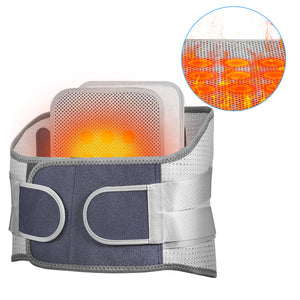
| Thermal Retention | Retains natural body heat within dense elastic fibers | Gentle warmth relaxes stiff gluteal muscles and eases tension |
Evaluating Braces for Targeted Sciatica Pain Relief
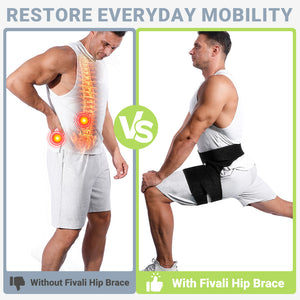
Many individuals exploring compression solutions often wonder: do hip braces work for sciatica management during long sitting sessions? The answer lies in how these support devices stabilize the hip joint and sacrum.
-
Sacroiliac Joint Stabilization: A well-designed brace wraps around the pelvis to stabilize the sacroiliac joints. Stabilizing the pelvic girdle prevents excessive rotational shifts that pull on deep hip muscles, reducing overall stress on surrounding nerves.
-
Reducing Strain During Transitions: Moving from a prolonged seated position to a standing position often triggers sharp sensations. Wearing a sciatic support brace provides external reinforcement to the hips and lower spine, easing the transition during daily office work.
Integrating Compression Gear Into Daily Desk Work
Using compression products effectively requires a smart routine tailored to sedentary desk jobs.
Selecting the Right Fit
Compression gear must fit snugly without cutting off circulation or leaving deep red marks on the skin. A proper fit ensures steady pressure across the pelvis and upper thigh without causing numbness.
Structuring Wearing Schedules
It is best to wear supportive garments during periods of continuous sitting or tasks requiring extended focus, while removing them during long breaks allows the skin to breathe.
Choosing Durable Brands
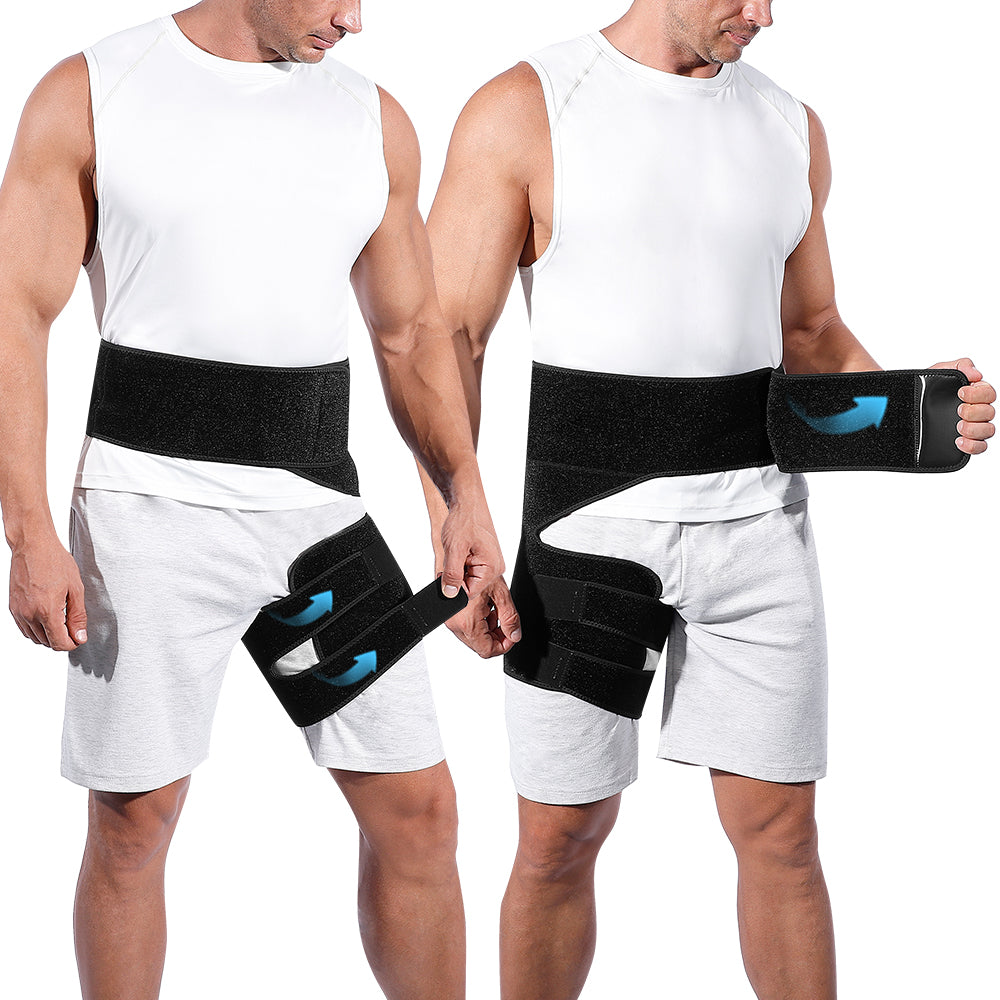
When selecting high-quality lumbar and hip supports designed for everyday endurance, trusted brands such as Fivali provide durable materials with adjustable straps that offer customizable pressure for long office hours.
- Fivali Top Picks
✧ Unisex Sciatica Leg Wrap with Enhanced Joint Stability and Compression for Hips FHM01
- Comprehensive Support for Hip and Thigh Pain
- Breathable, Comfortable, and Durable
- Adjustable Tension for Customized Compression
- Relieves Hip and Groin Pain Effectively
- Helps Improve Hip Alignment and Posture
Complementary Strategies for Sedentary Workers
Compression works best when combined with healthy daily habits that disrupt continuous sitting.
Active Desk Ergonomics
Adjusting chair height so feet sit flat on the floor keeps knees at a ninety-degree angle. Lumbar cushions can also help maintain the natural curve of the lower back alongside compression wear.
-
Movement Intervals: Stand up every thirty to forty-five minutes to relieve accumulated pressure on the lower spine.
-
Targeted Stretching: Perform gentle stretches targeting hip flexors, hamstrings, and glutes at the end of the workday to restore flexibility.
-
Hydration Levels: Drink plenty of water to maintain fluid balance in spinal discs and soft tissues.
Practical Daily Habits to Manage Sciatica Pain
Addressing lower body tightness requires a consistent daily approach that combines smart support gear with simple environmental adjustments.
-
Posture Awareness: Slumping in an office chair stretches spine ligaments beyond their optimal range. Setting periodic posture reminders encourages proper alignment throughout the workday.
-
Alternating Workstations: Switching between a standard desk and a standing desk varies physical loads on the lower back. Alternating positions keeps joints mobile and helps manage cumulative sciatica pain.
Using a Sciatic Support Brace Correctly
To maximize comfort and stability, placing and adjusting supportive gear properly is essential.
Proper Application Steps
-
Placement Strategy: Position the main support band directly across the hips and sacrum rather than high up around the waistline to secure pelvic structures properly.
-
Tension Control: Start with light compression and gradually increase tightness until the hips feel supported without restricting normal breathing or causing lower extremity numbness.
-
Garment Care: Regular hand washing with mild soap and air drying keeps elastic materials resilient and effective over time.

Long Term Mobility Solutions for Desk-Bound Routines
Relying solely on static support is only one part of a comprehensive routine. Building long-term physical resilience helps maintain comfort during years of office work.
Foundational Core Strength
Developing core strength provides internal stabilization for the spine. Simple isometric exercises build foundational strength without placing excessive strain on sensitive lower back structures.
-
Dynamic Hip Warmups: Gentle leg swings and hip rotations before a long work shift prepare joints for static sitting by encouraging synovial fluid production.
-
Safe Ergonomic Lifting: Picking up heavy items from the floor requires bending at the knees rather than hinging at the waist to reduce sudden forces on the lumbar spine.
Summary of Compression for Sedentary Lifestyle Support
For long-term sedentary individuals, compression wear and a dedicated sciatic support brace offer valuable external stability, improved sensory feedback, and enhanced local warmth. When combined with ergonomic adjustments, regular movement breaks, and core awareness, compression gear serves as a practical asset in managing daily lower body strain and maintaining productivity throughout demanding desk-bound schedules.