How Do You Permanently Fix Sciatica Pain?

Sciatica is not a medical diagnosis in itself but rather a clinical symptom of an underlying condition affecting the sciatic nerve. This nerve, the longest and thickest in the human body, originates in the lower back and travels through the hips, buttocks, and down each leg. When compressed or irritated, it produces a radiating pain that can feel like a sharp electric shock, a dull ache, or a burning sensation. Finding a permanent solution requires moving beyond temporary symptom masking and addressing the structural or mechanical root causes.
Effective Strategies for Long-Term Sciatica Relief
Achieving a permanent fix for sciatica involves a multi-dimensional approach that focuses on decompression, stabilization, and lifestyle modification. While many people seek a "quick fix," the reality of nerve healing is that it requires consistent mechanical changes to prevent the recurrence of nerve impingement.
Identifying the Root Cause of Nerve Compression
Before implementing a treatment plan, identifying the source of the pressure is essential. The most common culprits include:
- Herniated Discs: The soft inner material of a spinal disc leaks out and presses against the nerve root.
- Lumbar Spinal Stenosis: A narrowing of the spaces within the spine, which puts pressure on the nerves.
- Spondylolisthesis: A condition where one vertebra slips forward over the one below it.
- Piriformis Syndrome: A neuromuscular disorder where the piriformis muscle in the buttock compresses the sciatic nerve.
Core Stabilization and Spinal Support
A weak core is often a silent contributor to chronic sciatica. When the muscles surrounding the spine are underdeveloped, the vertebrae and discs bear the brunt of the body’s weight, leading to misalignment and compression.
- Transverse Abdominis Activation: Focusing on deep core muscles helps create a "natural corset" for the spine.
- Pelvic Tilt Maneuvers: These movements help realign the pelvis to reduce the "tug" on the sciatic nerve.
- Gluteal Strengthening: Strong glutes take the pressure off the lower back during daily movements like walking and climbing stairs.
Mechanical Decompression Techniques
Physical decompression is vital for allowing a compressed nerve to heal. When a nerve is constantly pinched, it remains in a state of inflammation.
- Spinal Traction: This involves stretching the spine to create space between the vertebrae.
- Inversion Therapy: Using gravity to take the load off the spinal discs can provide immediate, though sometimes temporary, relief that facilitates healing.
- Extension-Based Exercises: For those with disc herniations, gentle backward bending (extension) can help "centralize" the pain, moving it out of the leg and back into the lower spine.
Evaluating External Aids and Supportive Gear
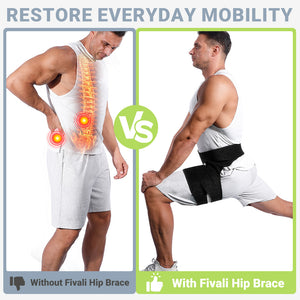
Many individuals turn to wearable technology and braces to manage their symptoms. One common question is: do sciatic nerve leg braces work? These devices typically apply pressure to specific points on the calf or below the knee, based on the principles of acupressure.
While some users report a reduction in pain signals reaching the brain, these braces are generally considered compensatory tools rather than curative ones. They may help a person remain mobile enough to perform corrective exercises, but they do not address the disc or bone issues in the lower back. Therefore, while answering the question do sciatic nerve leg braces work, it is best to view them as a supplement to—not a replacement for—a comprehensive rehabilitation program.
Targeted Stretching and Mobility Protocols
Flexibility is a cornerstone of nerve health. However, stretching must be done with precision, as overstretching an irritated nerve can actually worsen inflammation.
- The Role of Nerve Flossing
Nerve flossing, or nerve gliding, is a specialized technique designed to restore the smooth movement of the nerve through the surrounding tissues. Instead of a static stretch, these are rhythmic movements.
- The Seated Nerve Glide: Straightening the leg while tilting the head back, then bending the knee while tucking the chin.
- Supine Hamstring Floss: Lying on the back and gently moving the ankle while the leg is elevated.
- Addressing Muscle Imbalances
Tightness in specific muscle groups can pull the spine out of alignment.
- Psoas Release: The psoas muscle connects the spine to the legs; when it is tight, it increases the arch in the lower back (lordosis), pinching the nerve roots.
- Hip Flexor Mobility: Improving hip range of motion prevents the lower back from overcompensating during movement.
- Calf and Hamstring Flexibility: While these are "downstream" from the source, tightness here can alter gait patterns, leading to further back strain.
Ergonomic Adjustments for Permanent Prevention
Static postures are the enemy of nerve health. To fix sciatica permanently, the environment in which one spends the most time must be optimized.
Dynamic Sitting and Standing
- Lumbar Support: Using a chair that maintains the natural S-curve of the spine prevents the "slumping" that pushes discs backward toward the nerves.
- Frequent Micro-breaks: Every 30 minutes, standing up and performing a standing extension can reset the pressure on the spinal discs.
- Monitor Height: Ensuring the head is not tilted downward prevents a chain reaction of tension that travels down the spinal column.
Sleeping Positions for Spinal Neutrality
The body does most of its healing during sleep. If the spine is twisted or unsupported for eight hours, the inflammatory cycle continues.
- Side Sleepers: Placing a firm pillow between the knees keeps the hips square and prevents the top leg from pulling the lower back into a twist.
- Back Sleepers: A pillow under the knees flattens the back against the mattress, opening up the nerve pathways in the lumbar spine.
Anti-Inflammatory Lifestyle and Nutrition
Nerve regeneration is a biological process that requires the right internal environment. Chronic systemic inflammation can make the sciatic nerve more sensitive to even minor pressure.
Nutritional Support for Nerve Repair
- Vitamin B12 and B Complex: These vitamins are essential for maintaining the myelin sheath, which is the protective coating around the nerves.
- Omega-3 Fatty Acids: Found in fish oil and flaxseeds, these help reduce the chemical inflammation surrounding the nerve root.
- Magnesium: This mineral acts as a natural muscle relaxant, reducing the spasms that often accompany sciatica.
- Hydration: Spinal discs are composed largely of water. Staying hydrated ensures they remain plump and resilient, providing better cushioning for the vertebrae.
Weight Management and Load Reduction
The lower back bears the majority of the body's weight. Reducing excess body mass, particularly in the abdominal area, directly reduces the mechanical load on the L4-L5 and L5-S1 vertebrae—the most common sites for sciatica issues.
- Long-Term Maintenance and Resilience
Once the acute pain has subsided, the focus shifts to "bulletproofing" the back. This involves transitioning from therapeutic exercises to functional strength training.
- Functional Movement Training
Learning how to move correctly in everyday life ensures that the sciatic nerve is never subjected to the same stresses that caused the initial injury.
- The Hip Hinge: Learning to bend at the hips rather than the waist is the single most important movement for spinal longevity.
- Proper Lifting Mechanics: Keeping loads close to the center of gravity and using the legs prevents "shear force" on the discs.
- Walking for Nerve Health: Regular walking increases blood flow to the spinal structures and helps maintain the sliding capacity of the nerve.
- Consistency and Mind-Body Connection
The nervous system has a "memory" for pain. Even after the physical compression is gone, the brain may continue to send pain signals.
- Gradual Load Progression: Slowly increasing the intensity of activities helps the nervous system feel safe.
- Stress Management: High levels of stress can increase muscle tension, particularly in the lower back and pelvic floor, exacerbating nerve sensitivity.
Final Summary of Lasting Relief
Resolving sciatica permanently is a journey of structural realignment and behavioral change. By combining core stabilization, mechanical decompression, and proper ergonomics, the pressure on the sciatic nerve can be removed, allowing the body to initiate its natural healing processes. While tools like Fivali leg braces or topical treatments can provide minor assistance, the foundation of a pain-free life lies in the strength of the core, the flexibility of the hips, and the daily habits that protect spinal integrity. With dedication to these principles, the debilitating "lightning" of sciatica can be extinguished for good.