How Long Should You Wear a Wrist Brace in a Day?
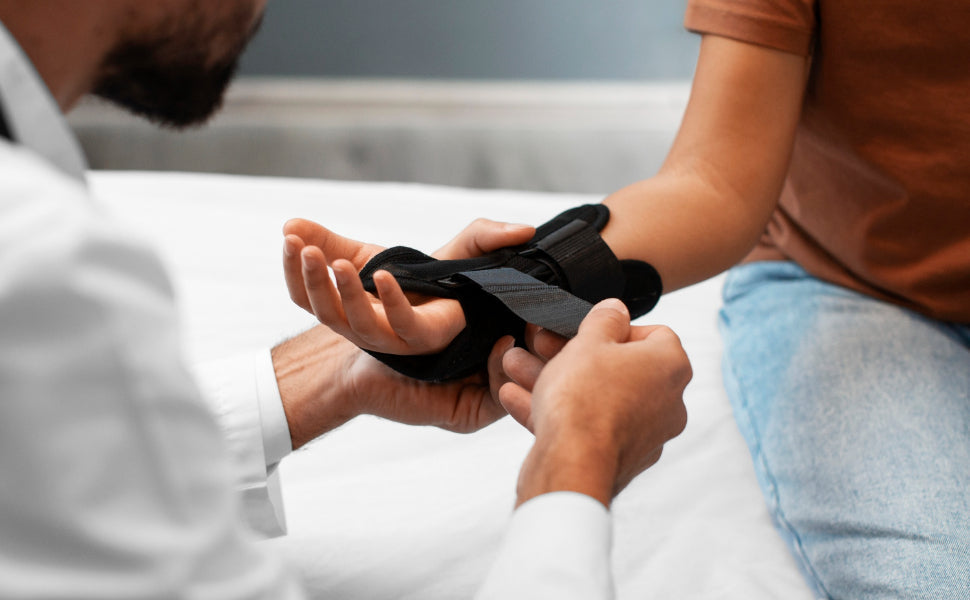
Wrist pain and nerve compression in the hands affect millions of individuals who perform repetitive daily tasks, ranging from typing on a computer keyboard to manual assembly work. Wearing a wrist brace for carpal tunnel is one of the most common non-invasive strategies used to stabilize the median nerve and alleviate discomfort in the joint. However, proper wear time is essential for getting the best results. Wearing a support for too long can lead to joint stiffness and muscle weakness, while wearing it too little may fail to relieve strain on affected tissues. Finding the right balance during daytime activities and nighttime rest helps maximize comfort while preserving long-term hand mobility.
Factors Influencing Recommended Daily Wear Time
The optimal duration for wearing a wrist splint varies significantly based on individual needs, daily activity levels, and mechanical demands placed on the joint.
Severity of Nerve Strain and Discomfort
Individuals experiencing acute tingling, burning, or numbness often require more consistent stabilization during the initial recovery phase. In these instances, immobilizing the wrist prevents sudden movements that aggravate nerve tissues. Conversely, mild or occasional discomfort may only require temporary support during high-impact tasks.
Type of Daily Activities Performed
Repetitive occupational tasks—such as data entry, heavy lifting, mouse navigation, or operating vibrating power tools—create sustained pressure inside the carpal tunnel. Utilizing supportive wrist gear during peak working hours shields the median nerve from repetitive strain. Once work duties conclude, removing the gear allows muscles to stay active.
Time of Day and Sleeping Habits
Nighttime is frequently when wrist symptoms peak. Many individuals unknowingly curl their wrists downward while asleep, compressing the median nerve for hours at a time. Wearing a properly fitted support while sleeping stabilizes the joint in a neutral anatomical posture, allowing tissue healing to occur uninterrupted.
Guidelines for Nighttime Wear
For many people dealing with hand numbness, overnight immobilization serves as the foundation of an effective self-care routine.
- Why Nighttime Wearing Is Critical: Positioning the wrist in a straight line during sleep reduces fluid accumulation and pressure within the carpal canal. Without a protective restraint, involuntary wrist flexion increases internal pressure by up to eight times the normal resting rate, causing frequent night awakenings due to hand numbness.
- Average Overnight Duration: A standard sleep cycle lasts between seven and nine hours. Wearing a supportive wrap throughout this entire period ensures continuous stability without restricting daytime movement or causing muscle atrophy.
- Choosing the Right Night Splint Design: Night splints feature soft padding and breathable linings designed for prolonged skin contact. Unlike rigid daytime models, night supports focus on smooth, comfortable alignment that prevents unnatural bending while keeping the hand relaxed.

Guidelines for Daytime Wear
Daytime utilization requires a balanced approach to ensure joint safety while preserving muscle strength in the forearm and hand.
- Target Hours During Work and Chores: When performing high-risk repetitive tasks, wearing a support for two to four hours at a time is generally recommended. Intermittent use throughout a workday protects against acute strain while giving the surrounding tendons periodic rest intervals.
- Managing Rest Breaks and Skin Care: Removing the brace every few hours is essential for skin hygiene and joint health. Brief rest periods allow air circulation, reduce moisture build-up underneath the fabric, and encourage natural blood circulation through the fingers.
- Avoiding Over-Dependence and Muscle Atrophy: Continuous daytime reliance on rigid supports can cause the forearm muscles and tendons to weaken over time. To maintain strong grip strength and joint flexibility, restriction should be limited to specific periods of active stress rather than continuous all-day wear.
Daily Schedule Breakdown by Activity Level
Establishing a structured daily timeline helps balance immobilization with active motion.
Mild Symptoms and Prevention Schedule
Individual wearing plan for light usage:
- Nighttime Alignment: Wear the support throughout seven to eight hours of sleep.
- Morning Routine: Remove the support during morning preparation and light household tasks.
- Focused Work Sessions: Apply support for one to two hours during intensive typing or manual activities.
- Afternoon and Evening: Keep the wrist free to engage in natural movement and light stretching.
Total Daily Duration: Approximately 8 to 10 hours combined.
Moderate to Acute Discomfort Schedule
Structured daily schedule for active nerve compression:
- Overnight Stabilization: Keep the brace secured for the full duration of night sleep.
- Morning Work Block: Wear support during the initial three hours of repetitive occupational tasks.
- Midday Break: Remove support for one hour during lunch to perform gentle finger motions.
- Afternoon Work Block: Reapply support for two to three hours during peak operational tasks.
- Evening Relaxation: Keep the support off during dinner and light leisure activities to prevent muscle weakness.
Total Daily Duration: Approximately 12 to 14 hours combined.
Selecting High-Quality Support Gear
Choosing well-constructed gear directly impacts comfort, breathable skin protection, and structural durability over long wear cycles. Premium products designed by brands such as Fivali focus on ergonomic alignment, lightweight material construction, and adjustable strap designs that allow users to customize tension based on activity levels. Selecting high-performance gear like a dedicated wrist brace for carpal tunnel ensures that the wrist stays in a neutral posture without restricting movement in the fingers or thumb.
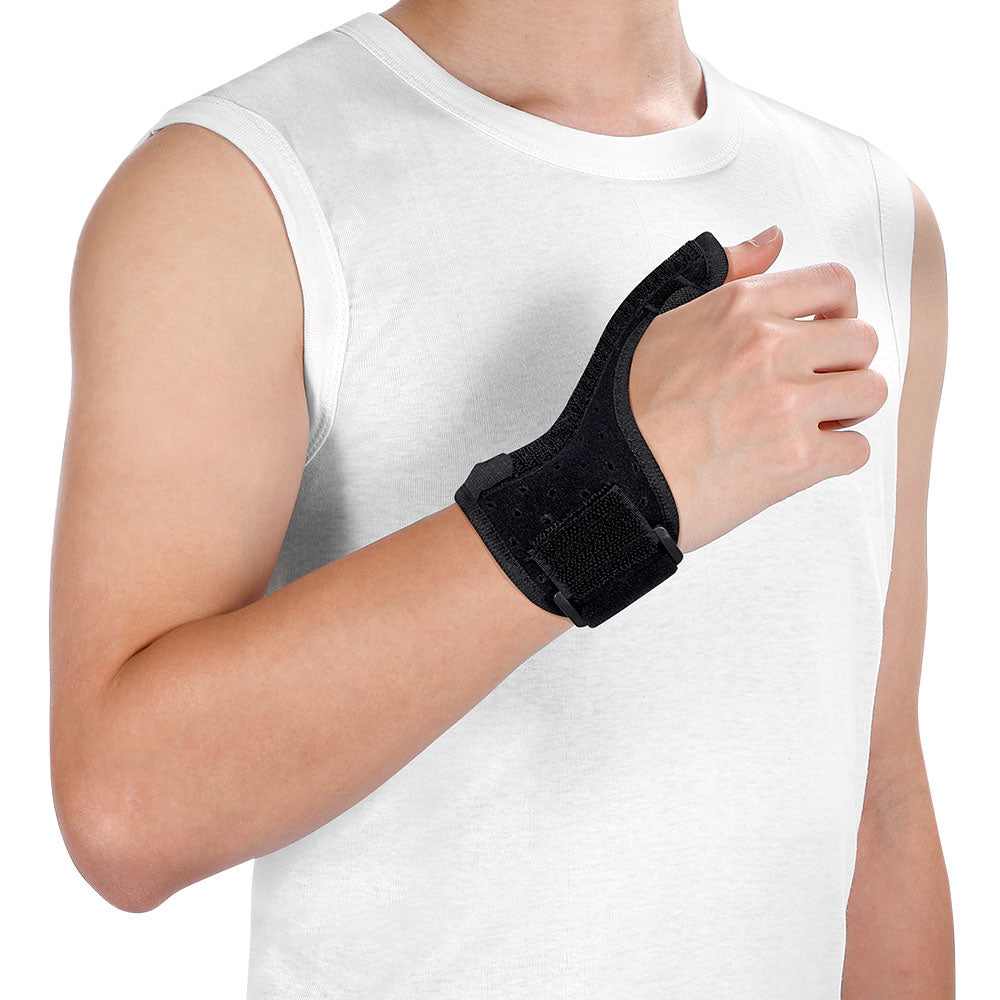
- Thumb Protection
- Metal Support
- Aid in Injury Recovery
- Seamless Integration into Daily Life
Exercises and Practices to Combine with Wrist Support
Supplements like wrist braces work best when combined with functional physical movements that build localized strength and mobility.
Tendon Gliding Movements
Gentle tendon gliding exercises promote smooth movement of the median nerve through the carpal canal. Practicing these gliding motions during brace-free intervals helps prevent tissue adhesions and maintains finger coordination.
Forearm and Wrist Flexor Stretches
Extending the arm forward with the palm facing outward and gently pulling the fingers back toward the body stretches tight flexor muscles. Performing this stretch for twenty seconds between work blocks counteracts stiffness caused by prolonged immobilization.
Ergonomic Workstation Adjustments
Optimizing desktop arrangements reduces the physical strain placed on the hand joints. Key ergonomic adjustments include:
Long-Term Management and Wear Time Progression
Adjusting wear patterns as wrist function improves ensures a smooth transition back to full daily mobility.
Monitoring Comfort and Mobility Improvements
As swelling subsides and tingling episodes decrease, overall reliance on daytime supports should be gradually reduced. Users should monitor hand fatigue and decrease daytime wear time by one hour every few days while maintaining nighttime stabilization.
Phasing Out Daytime Wear Safely
Once daytime tasks no longer trigger discomfort, brace usage should be restricted strictly to high-intensity activities or long computer sessions. Retaining nighttime usage for a few additional weeks provides an extra safeguard against accidental bending during sleep.
Maintaining Joint Fitness and Prevention
Even after full comfort is restored, maintaining healthy joint habits prevents future flare-ups. Continuing daily forearm stretches, maintaining an ergonomic workspace, and keeping supportive gear available for intense workloads ensures long-term wrist health and functional stability.
Final Best Practices for Wearing Duration
Finding the appropriate balance for how long to wear a wrist support depends on matching wear time with specific daily activities and personal comfort levels. Prioritizing nighttime immobilization protects the median nerve during its most vulnerable hours, while targeted daytime usage safeguards against repetitive occupational stress. By pairing high-quality gear—such as a wrist brace for carpal tunnel—with structured rest periods, regular forearm stretches, and ergonomic workspace habits, users can successfully protect joint function while maintaining natural hand strength.
-
Veröffentlicht in
Brace, Wrist Injury