How Many Shoulder Exercises per Workout?

The shoulder is the most mobile joint in the human body, capable of a vast range of motion that allows for pushing, pulling, lifting, and overhead reaching. However, this high degree of mobility comes at the cost of inherent instability. For athletes, bodybuilders, and fitness enthusiasts, determining the optimal volume for shoulder training is a delicate balancing act. Doing too little may result in stagnation and postural imbalances, while doing too much can lead to overuse injuries, such as impingement syndrome or rotator cuff tears.
Achieving the perfect shoulder workout requires a strategic approach that considers the three heads of the deltoid, the stabilizing role of the rotator cuff, and the individual's recovery capacity. This guide provides a comprehensive breakdown of how many exercises are needed to build strong, resilient shoulders without crossing the line into overtraining.
Determining the Ideal Number of Exercises
For most individuals aiming for hypertrophy (muscle growth) and functional strength, 2 to 4 exercises per workout is the "sweet spot." This range allows for sufficient mechanical tension and metabolic stress across the different regions of the shoulder without exhausting the central nervous system or the delicate connective tissues.
Factors Influencing Exercise Volume
- Training Split: If following a "Push/Pull/Legs" routine, the shoulders share the workload with the chest and triceps. In this case, 2 targeted exercises might suffice. In a dedicated "Shoulder Day" or "Upper Body" split, 3 to 4 exercises may be more appropriate.
-
Training Experience: Beginners often see significant gains from just 1 or 2 compound movements. Advanced trainees require higher volume and variety to stimulate new muscle fibers.
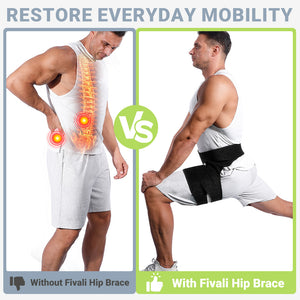
- Injury History: Those recovering from labral tears or chronic instability must prioritize quality over quantity, often incorporating stability tools like a wrestling shoulder brace during heavy compound movements to provide external compression and proprioceptive feedback.
Anatomy of a Balanced Shoulder Session
To maximize development, a workout should address the shoulder from multiple angles. The deltoid is composed of the anterior (front), lateral (side), and posterior (rear) heads. Relying solely on one type of movement leads to a lopsided physique and increased injury risk.
- Targeted Muscle Groups
- Anterior Deltoids: Heavily involved in pressing movements.
- Lateral Deltoids: Responsible for the "width" of the shoulders; targeted via abduction.
- Posterior Deltoids: Often neglected but crucial for posture and joint integrity.
- Rotator Cuff: The stabilizers (Supraspinatus, Infraspinatus, Teres Minor, and Subscapularis).
- Compound vs. Isolation Movements
A standard session should begin with a heavy compound movement, such as an overhead press, followed by isolation work. Compound lifts recruit multiple joints and muscle groups, providing the greatest hormonal response and strength stimulus. Isolation exercises then "fill in the gaps," ensuring that the lateral and rear heads receive direct tension that pressing might miss.
Optimal Set and Repetition Ranges
Quantity of exercises is only one half of the equation; the total number of sets per week is equally critical. Research suggests that 10 to 20 hard sets per muscle group per week is optimal for growth.
- Hypertrophy Standards
For those looking to build muscle size, 3 sets of 8 to 12 repetitions per exercise is the standard. If performing 3 exercises, this results in 9 sets for the shoulders in a single session. If the goal is pure strength, the volume might shift toward 5 sets of 3 to 5 reps for the primary lift, followed by fewer isolation sets.
- Metabolic Stress and Endurance
Incorporating higher rep ranges (15 to 20 reps) for lateral raises or face pulls helps increase blood flow and metabolic waste accumulation. This "pump" is not just for aesthetics; it helps deliver nutrients to the tendons and improves the mind-muscle connection, which is vital for long-term joint health.

Injury Prevention and Support Systems
The shoulder is prone to "wear and tear" due to its shallow socket design. Maintaining structural integrity involves more than just lifting heavy; it requires smart programming and, when necessary, external support.
- Role of Compression and Bracing
When moving heavy loads or returning from a minor strain, many lifters find success using a best shoulder brace for lifting weights. These devices serve two purposes: they keep the joint warm, increasing synovial fluid viscosity, and they provide a "limit" to the range of motion to prevent the humerus from shifting into vulnerable positions during fatigue.

- Soft and Comfortable Fabric
- Provides Stability During Physical Activity
- Helps Pain Relief and Injury Prevention
- Gently Compresses and Supports Sore Muscles and Joints
- Thin and Lightweight Design
- Integrating Mobility Work
Volume must be earned through movement quality. If an individual lacks the thoracic mobility to reach overhead safely, increasing the number of overhead presses will only accelerate injury. Every shoulder workout should be preceded by dynamic warm-ups involving internal and external rotation movements to "wake up" the rotator cuff.
Signs of Overtraining and Excessive Volume
More is not always better. The shoulder is a small muscle group compared to the legs or back, and it recovers differently. If the following signs appear, the exercise count should be reduced immediately.
Indicators to Scale Back
-
Persistent Aching: Pain that lasts more than 48 hours post-workout or pain that occurs deep within the joint during rest.
-
Loss of Range of Motion: Inability to reach full overhead extension without arching the lower back.
-
Diminishing Returns: Strength levels plateauing or decreasing over several weeks despite consistent effort.
-
Involuntary Shrugging: If the traps begin to take over every lateral raise or press, the deltoids are likely fatigued beyond their capacity to perform.
Importance of Posterior Chain Balance
One of the most common mistakes in shoulder programming is an over-reliance on "front-side" movements. Most people already have internally rotated shoulders due to daily desk work. Adding five different pressing exercises only exacerbates this.
Balancing the Ratio
A healthy shoulder program should follow a 1:2 ratio of pressing to pulling. For every set of overhead pressing, there should ideally be two sets of rear delt or upper back work. This keeps the humeral head centered in the socket and prevents the slouching posture that leads to impingement. Using a wrestling shoulder brace can also be beneficial during these sessions to maintain stability if the athlete has a history of subluxation.
Progressive Overload Strategies
To see results from 2 to 4 exercises, one must implement progressive overload. This doesn't always mean adding more weight to the bar.
Methods of Progression
-
Increased Density: Shortening rest periods between sets from 90 seconds to 60 seconds.
-
Tempo Manipulation: Slowing down the eccentric (lowering) phase of a lateral raise to 3 seconds to increase time under tension.
-
Pauses: Adding a one-second isometric hold at the top of a movement where the muscle is fully contracted.
-
Volume Adjustment: Instead of adding a fifth exercise, add an extra set to the existing three exercises.
Recommended Shoulder Exercise Selection
When choosing which 3 to 4 exercises to include, variety is the key to longevity and growth.
Top Compound Options
-
Barbell Overhead Press (Standing or Seated)
-
Dumbbell Arnold Press
-
Landmine Press (Great for those with limited overhead mobility)
-
Push Press (For power development)
Top Isolation Options
-
Leaning Cable Lateral Raises
-
Face Pulls (Essential for rear delts and traps)
-
Dumbbell Rear Delt Flyes
-
Single-arm Kettlebell Bottoms-up Press (For stability)
Summarizing Shoulder Training Frequency
While the number of exercises per workout is important, the frequency of those workouts also matters. Training shoulders twice a week is generally more effective than a single high-volume session. Splitting 6 total exercises across two days (3 per session) allows for higher intensity on each movement and better recovery for the sensitive rotator cuff tendons.
Total weekly volume should be the primary metric. Aim for 12 to 15 total sets per week for the deltoids. If these sets are high-quality and performed with a full range of motion, there is rarely a need to exceed 4 exercises in a single visit to the gym.
By prioritizing compound movements, ensuring posterior deltoid engagement, and utilizing supportive tools like the Fivali best shoulder brace for lifting weights when necessary, athletes can build impressive shoulder strength while maintaining joint health for years to come. Success in shoulder training is defined by the consistency of the effort and the wisdom to prioritize structural balance over sheer volume.
-
Veröffentlicht in
Brace, Shoulder pain