Was hält die Patella an Ort und Stelle?
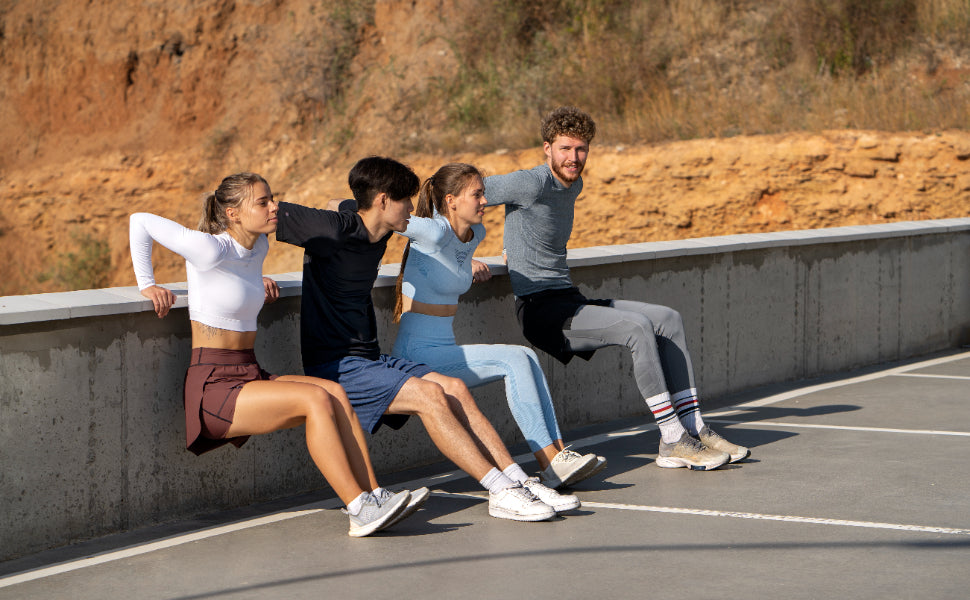
Die Kniescheibe, auch Patella genannt, ist ein kleiner, aber wichtiger Knochen, der als Schutz und Hebel für das Kniegelenk dient. Für Sportler ist die korrekte Funktion der Patella entscheidend für explosive Bewegungen wie Springen, Laufen und Richtungswechsel. Sie liegt innerhalb der Quadrizepssehne und gleitet bei Beugung und Streckung reibungslos in einer Gleitrinne des Oberschenkelknochens (Femur) auf und ab. Bewegt sich die Patella korrekt, steigert sie die Kraft und Effizienz der Beinmuskulatur erheblich. Schon eine geringfügige Verschiebung kann zu Schmerzen, Leistungseinbußen und schweren Verletzungen führen. Das Verständnis des komplexen Netzwerks von Strukturen – von der tiefen Knochenarchitektur bis hin zu den umgebenden Bändern und Muskeln –, die dieses wichtige Bauteil stabilisieren, ist der erste Schritt zu einer proaktiven Kniegesundheit für jeden ambitionierten Sportler. Dieses Wissen ermöglicht es Athleten, fundierte Entscheidungen hinsichtlich Training, Unterstützung und Pflege zu treffen, um ihre Knie während ihrer gesamten Karriere stark und stabil zu halten. Der Mechanismus, der die Patella an ihrem Platz hält, ist eine meisterhafte Kombination aus physikalischen Einschränkungen und dynamischer Muskelkontrolle.
Die Anatomie der Patellastabilität
Die Stabilität der Kniescheibe beruht nicht auf einer einzelnen Struktur, sondern auf einem fein abgestimmten System aus Knochenform, starken Sehnen und einem komplexen Netzwerk aus Bindegewebe. Diese integrierte Konstruktion gewährleistet, dass die Kniescheibe auch unter den enormen Kräften, die bei Sportarten mit hoher Belastung auftreten, zentriert in ihrer Gleitbahn bleibt. Dieses Gleichgewicht ist entscheidend, da die Kniescheibe die Kraft verteilt und die tiefer liegenden Strukturen des Knies schützt.
-
Knochenstrukturen und Furchen
Die wichtigste mechanische Führung für die Kniescheibe ist die Trochlea femoris, eine tiefe, V-förmige Vertiefung am Ende des Oberschenkelknochens. Die Unterseite der Kniescheibe ist dieser Vertiefung nachempfunden. Bei Kniebewegungen rastet die Kniescheibe in dieser Führung ein und bildet so eine physische Barriere, insbesondere in den letzten 30 Grad der Kniestreckung. Für eine stabile Führung muss die Führung tief genug sein und ihre Seiten – die sogenannten Facetten – müssen hoch genug sein, um die Kniescheibe sicher zu umschließen. Abweichungen in Form oder Tiefe dieser Führung sind häufig ein wesentlicher Faktor bei Personen mit chronischer Kniescheibeninstabilität oder Problemen mit der Führung der Kniescheibe. Der korrekte Sitz in dieser knöchernen Führung ist die Grundlage für die Stabilität der Kniescheibe.
-
Der Vier-Patellasehnen-Mechanismus
Die Kniescheibe ist in die Sehne eingebettet, die die Quadrizepsmuskulatur an der Vorderseite des Oberschenkels mit dem Schienbein verbindet. Diese gesamte Einheit – die kräftige Quadrizepsmuskulatur, die Quadrizepssehne, die Kniescheibe und die Patellarsehne – bildet den Streckapparat. Die Quadrizepsmuskulatur zieht die Kniescheibe nach oben, und die Patellarsehne verbindet sie mit ihrem Ansatzpunkt am Schienbein. Der präzise Zugwinkel, der sogenannte Q-Winkel, ist entscheidend. Dieser Winkel beschreibt die Ausrichtung von Hüfte über Knie bis zum Sprunggelenk. Jede zu große Abweichung des Q-Winkels kann dazu führen, dass die Zugkraft der kräftigen Quadrizepsmuskulatur die Kniescheibe seitlich gegen die knöcherne Gleitrinne zieht, was Reibung und eine mögliche Fehlstellung zur Folge haben kann. Ein gleichmäßiger Zug über diesen Mechanismus ist daher unerlässlich für eine flüssige und zentrierte Bewegung.
-
Band- und Netzhautunterstützung
Während Knochen und große Sehnen für den Hauptschub und die Führungsbahn sorgen, wird die Stabilität durch ein komplexes Netzwerk aus Weichteilgewebe, das Retinaculum und spezifische Bänder, gewährleistet. Das Retinaculum ist eine Schicht aus Bindegewebe, die das Gelenk sowohl medial (innen) als auch lateral (außen) bedeckt und die Kniescheibe wie eine straffe Leinwand umschließt. Der wichtigste spezifische Stabilisator ist das mediale patellofemorale Ligament (MPFL).Das mediale patellofemorale Ligament (MPFL) ist ein dünnes, aber starkes Band an der Innenseite des Knies. Seine Hauptaufgabe ist die Stabilisierung der Kniescheibe gegen seitliche Verschiebungen – die häufigste Richtung einer Kniescheibenluxation. Verletzungen des MPFL entstehen oft bei Kniescheibenluxationen und beeinträchtigen die Stabilität des Knies erheblich. Diese passiven Stabilisierungsmechanismen wirken zusammen mit den dynamischen Muskelkräften, um die Kniescheibe sicher in ihrer Position zu halten.

Kräfte, die die Patellaausrichtung gefährden
Im Sport wirken auf die Knie immense Kräfte, die das empfindliche Gleichgewicht der Kniescheibenstabilität leicht beeinträchtigen können. Treffen diese Kräfte auf anatomische Besonderheiten oder Muskelschwäche, steigt das Risiko von Fehlstellungen, Subluxationen (Teil- oder Komplettluxationen) deutlich an. Sportler müssen daher wissen, welche Bewegungen das größte Risiko für ihre Knie darstellen.
-
Häufige sportbedingte Belastungen
Sportliche Bewegungen wie Richtungswechsel, Drehungen, abrupte Stopps und unsaubere Landungen stellen die Hauptgefahren für die Kniescheibenführung dar. Bei einem harten, seitlichen Richtungswechsel in Sportarten wie Basketball oder Fußball setzt der Sportler einen Fuß auf und ändert schnell die Richtung. Dadurch rotiert der Oberschenkelknochen nach innen, während das Schienbein kurzzeitig fixiert ist. Dies erzeugt eine Drehkraft, die in Kombination mit der kraftvollen Kontraktion des Quadrizeps die Kniescheibe aus ihrer Gleitrinne ziehen kann. Auch die Landung nach einem Sprung mit leicht nach innen gedrehtem Knie (X-Bein-Stellung) lenkt die Kraft seitlich und versucht, die Kniescheibe aus ihrer Führung zu drücken. Wiederholte, hochintensive und multidirektionale Belastungen verschleißen mit der Zeit die Bänder und die Retinakulumstrukturen und machen das Gelenk zunehmend anfälliger.
-
Muskuläre Dysbalancen und Tracking-Probleme
Eine der häufigsten nicht-strukturellen Ursachen für Kniescheibenprobleme ist ein dynamisches muskuläres Ungleichgewicht, insbesondere im Bereich des Quadrizeps. Der Vastus medialis obliquus (VMO), der tropfenförmige Muskel an der Knieinnenseite, zieht die Kniescheibe nach innen und hält sie in ihrer Führung. Ist der VMO schwach oder reagiert er später als der Vastus lateralis (VL), der große Muskel an der Oberschenkelaußenseite, kann der VL die Zugkraft dominieren. Diese Dominanz zieht die Kniescheibe nach außen, was zu einer fehlerhaften Führung, Reibung und schließlich zu chronischen Schmerzen führt – oft als patellofemorales Schmerzsyndrom bezeichnet. Darüber hinaus kann eine Schwäche der Rumpfmuskulatur, der Hüftabduktoren und der Außenrotatoren dazu führen, dass der Oberschenkelknochen bei sportlichen Bewegungen nach innen absinkt. Dies vergrößert den Q-Winkel und verlagert die Zugkraft auf die Kniescheibe nach außen, wodurch die Führungsprobleme verstärkt werden.
-
Die Rolle von Aufprall und Ermüdung
Wiederholte Stöße, insbesondere bei Lauf- und Sprungsportarten, belasten die Gelenkflächen permanent und führen zu Mikroverletzungen und Entzündungen. Chronische Reizungen können mit der Zeit den Knorpel unter der Kniescheibe schädigen, die Gleitbewegung einschränken und die Reibung erhöhen. Zudem ist Muskelermüdung ein entscheidender Faktor bei akuten Verletzungen. Ermüden die Bein- und Hüftmuskeln während eines langen Spiels oder Trainings, nimmt ihre Fähigkeit ab, das Knie dynamisch zu stabilisieren und die Position des Oberschenkelknochens zu kontrollieren. Durch diesen Kontrollverlust müssen die passiven Bänder die Hauptlast plötzlicher Kräfte tragen, wodurch das Risiko einer akuten Verletzung, wie beispielsweise einer Luxation, deutlich steigt, wenn der Körper die fehlerhafte Bewegungsmechanik nicht mehr ausgleichen kann.
Unterstützung des Knies bei sportlicher Aktivität
Während starke Muskeln und eine gute Biomechanik die inneren Schutzmechanismen gegen Patellainstabilität darstellen, kann externe Unterstützung ein entscheidendes Hilfsmittel für Sportler mit anfälligen Knien oder für diejenigen sein, die zum Sport zurückkehren.Externe Stützvorrichtungen bieten propriozeptives Feedback und mechanische Stabilisierung und sorgen so für zusätzliche Sicherheit und physische Fixierung.
- Arten von Kniebandagen
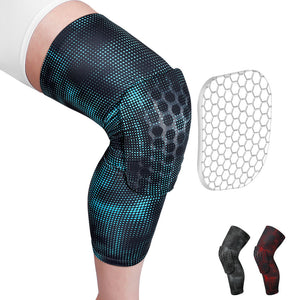
Kniebandagen gibt es in verschiedenen Ausführungen, die jeweils auf unterschiedliche Instabilitäts- oder Schmerzgrade abgestimmt sind. Einfache Kompressionsmanschetten spenden Wärme, fördern die Durchblutung und geben ein leichtes propriozeptives Feedback, bieten aber nur eine minimale mechanische Stabilisierung der Kniescheibe. Patellaführungsbänder sind schmalere Bandagen, die direkt unterhalb der Kniescheibe getragen werden. Sie üben Druck auf die Patellasehne aus, wodurch der Winkel der Kniescheibe leicht verändert und Schmerzen, beispielsweise bei Patellaspitzensyndrom, gelindert werden können. Bei Sportlern mit tatsächlichen Problemen der Kniescheibenführung oder leichter Instabilität kommen häufig spezielle Bandagen mit einem Silikon- oder Schaumstoffring (sogenannte Patellastütze) zum Einsatz. Diese Stütze umschließt die Kniescheibe, verhindert übermäßige seitliche oder mediale Bewegungen und hilft, sie in die Gleitrinne zurückzuführen.
-
Wann man beim Sport eine Kniebandage verwenden sollte
Die Entscheidung, ein Kniebandage für Sport wird häufig dann eingesetzt, wenn ein Sportler zusätzliche mechanische Führung oder psychologisches Selbstvertrauen benötigt. Sport-Knieorthesen Sie sind nicht unbedingt für alle Sportler erforderlich, erweisen sich aber als unschätzbar wertvoll in Situationen, in denen die dynamische Kontrolle durch die Muskeln beeinträchtigt ist. Ein Sportler, der zuvor eine Subluxation oder Luxation erlitten hat, verwendet häufig eine Stabilisierungsorthese, wenn er zu risikoreichen Sportarten wie Volleyball, Ringen oder Skifahren zurückkehrt. Knie-Sportorthese Sie wirkt als sofortige physische Fixierung und verhindert, dass die Kniescheibe einen bestimmten seitlichen Punkt überschreitet. Darüber hinaus können selbst Sportler mit leichten Problemen bei der Kniescheibenführung oder einem patellofemoralen Schmerzsyndrom eine einfachere Stütze nutzen, um eine bessere Ausrichtung bei wiederholten Bewegungen zu gewährleisten, die Reibung zu reduzieren und eine Verschlimmerung der Beschwerden im Wettkampf zu verhindern. Es ist unbedingt erforderlich, nur eine passgenaue Stütze zu verwenden.

- Dreifache Metallfederstabilisatoren zur Verstärkung
- Plus-Size-Passform für übergewichtige Personen, kräftige Beine
- 3D Atmungsaktive Rundumwicklung
- Flexibles Klettverschlussdesign für starke Haftung
- Rutschfest beim Heben, Bücken und Gehen
-
Schutz vor Verletzungsrisiken durch Knieorthesen
Externe Unterstützungsangebote bieten zwar unbestreitbare Vorteile, doch ist es entscheidend zu erkennen, dass eine unsachgemäße Nutzung zu potenziellen Problemen führen kann. Knieorthesenverletzung Risiken. Das größte Risiko besteht in der Entwicklung einer psychischen oder physischen Abhängigkeit von der Orthese, was dazu führen kann, dass die Rumpfmuskulatur an Kraft verliert oder ihre natürliche Stärke weniger nutzt. Wenn eine Knieorthese bei Verletzungen Wird eine Bandage zu eng oder zu lange getragen, kann sie die Blutzirkulation einschränken, die Haut reizen oder Beschwerden in anderen Beinbereichen verursachen. Sportler müssen sicherstellen, dass jede Stützvorrichtung professionell angepasst und perfekt auf ihre Anatomie abgestimmt ist. Eine schlecht sitzende oder zu sperrige Bandage kann den Gang oder Laufstil eines Sportlers verändern und neue, ungünstige biomechanische Kräfte erzeugen, die die Belastung auf Knöchel oder Hüfte verlagern. Externe Unterstützung sollte stets ein intensives, auf den Aufbau der natürlichen Kniemuskulatur abzielendes Konditionstraining ergänzen, nicht ersetzen.

- Kompressionsgurt-Design
- Stoßdämpfender Silikonpad-Schutz
- Doppelseitige Federunterstützung
- Vorbeugung von Muskelverletzungen
Erhaltungs- und Krafttraining
Die beste Methode zur Stabilisierung der Kniescheibe ist die Kräftigung der Muskeln, die Oberschenkelknochen und Schienbein kontrollieren. Dadurch entsteht eine starke, stabile Basis für die Kniegelenksfunktion. Kniescheibenstabilität ist nicht nur ein Problem des Knies, sondern betrifft das gesamte Bein, einschließlich Rumpf, Hüfte und Füße. Ein starker, ausbalancierter Unterkörper wirkt wie ein eingebauter, stabilisierender Mechanismus. Kniebandage das stets aktiv und perfekt auf den Athleten zugeschnitten ists Körper.
- Gesäß- und Hüftkraft
Die Hüfte ist das Kraftzentrum des Unterkörpers, und eine schwache Hüftmuskulatur, insbesondere der Abduktoren und Außenrotatoren (vor allem des Musculus gluteus medius), ist eine Hauptursache für Knieinstabilität. Sind diese Muskeln schwach oder ermüdet, neigt der Oberschenkelknochen beim Landen oder in der Hocke dazu, nach innen zu rotieren und einzuknicken (Adduktion). Dieses Bewegungsmuster vergrößert den Q-Winkel deutlich und übt eine massive destabilisierende Kraft auf die Kniescheibe aus, die diese nach außen zieht. Gezielte Übungen für die Gesäßmuskulatur, wie z. B. Clamshells, Übungen mit Widerstandsbändern und einbeinige Kniebeugen, sind grundlegend, um dieses Einknicken nach innen zu verhindern. Durch die Kräftigung der Hüftmuskulatur stellt der Sportler sicher, dass das gesamte Bein korrekt ausgerichtet bleibt und die Kniescheibe korrekt in ihrer Gleitrinne verläuft.
- Flexibilität und Bewegungsumfang
Muskelverspannungen, insbesondere in der Oberschenkelmuskulatur (Quadrizeps, Hamstrings und Waden), können die Kniescheibenführung beeinträchtigen. Verspannte Quadrizepsmuskeln erhöhen den Druck auf die Kniescheibe in der Gleitrinne, was zu Schmerzen und eingeschränkter Beweglichkeit führt. Verspannte Hamstrings können die Biomechanik von Hüfte und Knie beim Laufen und Springen verändern. Die Erhaltung einer guten Flexibilität und Beweglichkeit durch regelmäßiges Dehnen und Mobilitätstraining ist ein oft vernachlässigter Aspekt für die Kniescheibengesundheit. Gezieltes Flexibilitätstraining stellt sicher, dass keine einzelne Muskelgruppe übermäßige oder ungleichmäßige Spannung auf die Kniescheibe ausübt, sodass alle Komponenten des Streckapparates unter Belastung reibungslos und harmonisch funktionieren können. Konsequentes Mobilitätstraining trägt zur langfristigen Gesundheit und Funktionsfähigkeit des Gelenks bei.
Abschluss
Die Patella wird durch ein mehrschichtiges Schutzsystem gesichert, bestehend aus der tiefen Struktur der Trochlea femoris, der kraftvollen Kontrolle des Quadrizeps und der Patellarsehne sowie der fein abgestimmten Stabilisierung durch das Retinaculum und das mediale patellofemorale Ligament (MPFL). Bei Sportlern, die ihren Körper bis an die Grenzen belasten, ist dieses System den hohen Kräften im Sport ständig ausgesetzt. Eine proaktive Pflege erfordert zwei Ansätze: konsequentes Krafttraining, insbesondere für Gesäß- und Hüftmuskulatur, um dynamische innere Stabilität zu erreichen, und der gezielte Einsatz externer Hilfsmittel wie z. B. Kniebandagen. Fivali Kniebandage zur Stabilisierung der Kniescheibe Bei der Rückkehr nach einer Verletzung oder bei chronischen Problemen mit der Kniescheibenführung ist es wichtig zu verstehen, wie Sportler die komplexen Mechanismen, die die Kniescheibe an ihrem Platz halten, effektiv für ihre Kniegesundheit einsetzen und ihre Höchstleistung auf dem Spielfeld oder Court aufrechterhalten können.