Wie kann man das Bogen in Ihrem Rücken reparieren?

Das moderne Berufsleben erfordert oft langes Sitzen, sei es am Schreibtisch, auf dem Weg zur Arbeit oder in der Freizeit. Dieser sitzende Lebensstil trägt maßgeblich zu einer häufigen Haltungsstörung bei, der sogenannten Hyperlordose, also einer übermäßigen Krümmung der Lendenwirbelsäule. Diese Fehlhaltung sieht nicht nur unnatürlich aus, sondern kann auch zu chronischen Beschwerden, muskulären Dysbalancen und sogar zu Beeinträchtigungen der Beweglichkeit und Lebensqualität führen. Für Menschen, die einen Großteil ihres Tages im Sitzen verbringen, ist es daher entscheidend für die langfristige Gesundheit ihrer Wirbelsäule, die Ursachen zu verstehen und wirksame Korrekturmaßnahmen umzusetzen. Die Behandlung dieses Problems erfordert einen ganzheitlichen Ansatz, der ergonomische Anpassungen, gezielte Übungen und gegebenenfalls die Unterstützung durch Hilfsmittel kombiniert.
Die Gefahren des langen Sitzens für die Wirbelsäulenausrichtung
Die menschliche Wirbelsäule ist von Natur aus gekrümmt, um Stöße abzufedern und das Körpergewicht zu tragen. Die Lendenwirbelsäule (unterer Rücken) weist eine natürliche Krümmung nach innen auf, die Lordose genannt wird. Ist diese Krümmung jedoch übermäßig ausgeprägt, spricht man von Hyperlordose. Dies führt zu einem stark gewölbten Rücken und oft auch zu einer Vorwärtsneigung des Beckens. Langes Sitzen verschlimmert dieses Problem. Beim stundenlangen Sitzen verkürzen und verspannen sich die Hüftbeugemuskeln (wie der Psoas-Muskel), während die Bauch- und Gesäßmuskulatur schwächer wird. Dieses muskuläre Ungleichgewicht zieht das Becken nach vorn und zwingt die Lendenwirbelsäule in eine tiefere, ungesunde Krümmung. Die anhaltende Belastung der Rückenmuskulatur und die Kompression der Lendenwirbel können zu chronischen Rückenschmerzen und Müdigkeit führen. Hinzu kommen schlechte Sitzgewohnheiten wie das Zusammensacken oder das Sitzen auf der Stuhlkante ohne Unterstützung. Rückenstütze zur HaltungsverbesserungSie beschleunigen den Abbau einer korrekten Wirbelsäulenmechanik. Das Erkennen dieser Gefahren ist der erste Schritt, um die Krümmung des Rückens zu korrigieren und die langfristigen Folgen einer sitzenden Tätigkeit abzumildern. Eine wirksame Intervention erfordert die Berücksichtigung sowohl der physischen Umgebung als auch der Muskelstruktur des Körpers.
Beurteilung und Verständnis der Lendenwirbelsäulenkrümmung
Bevor man eine Korrektur versucht, ist es hilfreich, den Schweregrad des Hohlkreuzes zu kennen. Ein leichtes Hohlkreuz ist normal, ein ausgeprägtes Hohlkreuz ist jedoch oft selbst im Stehen sichtbar. Wichtige Anzeichen sind eine deutliche Vorwärtsneigung des Beckens, die oft als hervorstehendes Steißbein beschrieben wird, und ein deutlicher Abstand zwischen dem unteren Rücken und einer Wand beim Anlehnen. Die Hauptursachen sind verkürzte Hüftbeuger und eine schwache Rumpfmuskulatur. Die lange Sitzhaltung führt häufig zu einer Verkürzung der Hüftbeuger, wodurch diese mit der Zeit verkürzen. Diese Verkürzung verhindert, dass sich das Becken beim Stehen oder Gehen auf natürliche Weise ausrichtet, was das Hohlkreuz verstärkt. Gleichzeitig werden die Muskeln, die die Wirbelsäule stabilisieren und das Becken nach hinten kippen sollen (Bauch- und Gesäßmuskulatur), vernachlässigt und geschwächt. Für Menschen, die lange sitzen, kann die Verwendung eines Produkts wie dem [Produktname einfügen] hilfreich sein. Fivali Rückenstütze Es kann vorübergehend propriozeptives Feedback geben und den Benutzer daran erinnern, eine neutrale Wirbelsäulen- und Beckenposition beizubehalten. Dieses Bewusstsein ist grundlegend für alle korrigierenden Bewegungen und Übungen.
✧ Unisex-Rückenstütze zur Haltungskorrektur und Schmerzlinderung, Schulterstrecker
- 2-in-1-Rückenstützen-Design für verstärkte Unterstützung
- Benutzerfreundlich &und; Einfach selbst zu tragen
- Einstellbar &Leichte, vollständige Rückenstütze
- Obere &Linderung von Rückenschmerzen
- Skoliose, Buckel, Brustwirbelsäulenkorrektur

Ergonomische Lösungen für die Sitzposition
Die richtige Einstellung des Arbeitsplatzes ist unerlässlich, um ein durch langes Sitzen verursachtes Hohlkreuz zu korrigieren. Ein korrekt eingestellter Stuhl und Schreibtisch können die Belastung der Lendenwirbelsäule deutlich reduzieren und eine neutralere Beckenposition fördern. Ziel ist es, die Zeit, die die Hüftbeuger in maximal verkürzter Position verbringen, zu minimieren und den Lendenbereich kontinuierlich und sanft zu stützen.
- Stuhlauswahl und -einstellung: Wählen Sie einen ergonomischen Stuhl, bei dem die Füße flach auf dem Boden stehen und die Knie auf Hüfthöhe sind. Die Sitztiefe sollte einen kleinen Abstand zwischen Kniekehlen und Stuhlkante ermöglichen. Besonders wichtig ist eine ausreichende Lendenwirbelstütze, die den unteren Rücken sanft nach vorne drückt und so ein tiefes Hohlkreuz oder eine zu starke Rundung verhindert.
- Externe Unterstützungsgeräte: Obwohl kein Gerät Muskelkraft ersetzen kann, sind externe Hilfsmittel äußerst hilfreich, um eine korrekte Körperhaltung beizubehalten, insbesondere bei langen Arbeitsphasen. Rückenlehne Ein spezielles Kissen kann dafür sorgen, dass der untere Rücken in einer neutraleren Position gehalten wird. Diese externe Unterstützung hilft, die überbeanspruchten Muskeln zu entlasten, während die geschwächten Muskeln rehabilitiert werden. Eine Rückenstütze zur Haltungsverbesserung gibt ständiges, taktiles Feedback und macht den Benutzer darauf aufmerksam, wenn er wieder in die Hohlkreuzhaltung zurückfällt.
- Bildschirm- und Tastaturplatzierung: Achten Sie darauf, dass sich der Bildschirm auf Augenhöhe befindet, um ein Vorbeugen von Kopf und Nacken zu vermeiden, da dies die gesamte Wirbelsäule aus dem Gleichgewicht bringen kann. Tastatur und Maus sollten so positioniert sein, dass die Ellbogen in einem Winkel von 90 bis 100 Grad nah am Körper anliegen. Dadurch wird ein Vorbeugen und die Belastung der Lendenwirbelsäule verhindert.

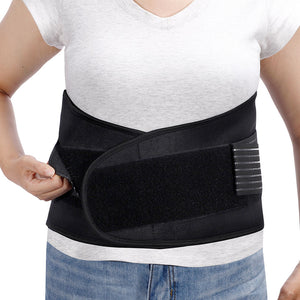
✧ Unisex Rückenstütze mit Lendenwirbelstütze
- Feste Unterstützung für den Rücken &und Wirbelsäule
- Einstellbare Enge &Kompression
- Verbreiterte Schulterpolster zur Druckentlastung
- Atmungsaktiv &Leicht und komfortabel für den ganzen Tag
- Einfach an- und auszuziehen
Gezieltes Dehnen bei muskulären Dysbalancen
Die Behebung muskulärer Dysbalancen, die das Hohlkreuz verursachen, erfordert zwei Hauptstrategien: Dehnung der verkürzten Muskeln (Hüftbeuger) und Kräftigung der schwachen Muskeln (Bauch- und Gesäßmuskulatur). Die verkürzten Hüftbeuger müssen gedehnt werden, damit das Becken wieder in eine neutrale Position zurückkehren kann.
- Hüftbeugerdehnung im Knien: Diese Dehnübung wird im Kniestand (bei Bedarf mit einem Kissen) durchgeführt, wobei der andere Fuß flach vor dem Knie auf dem Boden steht. Verlagern Sie Ihr Gewicht sanft nach vorn, bis Sie eine Dehnung in der Hüftvorderseite des knienden Beins spüren. Wenn Sie diese Position mehrmals täglich für 30–60 Sekunden halten, kann dies die Dehnung des Hüftbeugers und anderer Hüftbeuger verbessern.
- Dehnübungen für die Oberschenkelrückseite: Obwohl sie weniger direkt beteiligt sind als die Hüftbeuger, können verkürzte Oberschenkelmuskeln ebenfalls zur Beckenrotation beitragen.Einfache Zehenberührungen im Sitzen oder Stehen (sanft und ohne Hüpfen ausgeführt) können helfen, diese Muskeln zu dehnen.
Regelmäßigkeit ist beim Dehnen wichtiger als Intensität. Kurze Dehnübungen stündlich während des Arbeitstages einzubauen, ist sehr vorteilhaft.
Stärkung des Kerns für Stabilität
Der Korrekturprozess ist unvollständig, ohne die Muskeln zu stärken, die Becken und Wirbelsäule in einer gesunden, neutralen Position halten. Ziel ist es, ein muskuläres „Korsett“ um die Wirbelsäule aufzubauen.
- Gesäßmuskelaktivierung: Der Gesäßmuskel (Gluteus maximus) ist ein kräftiger Muskel, der für die Streckung der Hüfte und die Stabilisierung des Beckens verantwortlich ist. Übungen wie die Glute Bridge und Hip Thrusts trainieren diese Muskeln effektiv. Bei der Glute Bridge sollte das Ziel sein, das Becken vor dem Anheben leicht nach hinten zu kippen (posteriore Beckenkippung), um die korrekte Bewegungsausführung zu fördern.
- Stärkung der Bauchmuskulatur: Konzentrieren Sie sich auf Übungen, die die tiefe Rumpfmuskulatur (Musculus transversus abdominis) beanspruchen, anstatt nur die oberflächliche (Musculus rectus abdominis). Planks, modifizierte Crunches (bei denen der Fokus auf dem Ziehen der Rippen zum Becken liegt) und „Dead Bugs“ eignen sich hervorragend, um die Rumpfmuskulatur zu trainieren, das Becken zu stabilisieren und die übermäßige Vorwärtsneigung bei Hyperlordose zu verhindern. Versuchen Sie bei allen Übungen bewusst, den unteren Rücken leicht abzuflachen und das Hohlkreuz zu minimieren. Mit der Zeit kann die Kombination von Rumpfkräftigungsübungen mit der Verwendung eines Haltungskorrektor kann eine nachhaltige Veränderung des Muskelgedächtnisses und der Wirbelsäulenposition bewirken. Das externe Feedback einer Rückenstütze zur Haltungskorrektur kann insbesondere in der Anfangsphase des Aufbaus dieses Körperbewusstseins sehr hilfreich sein.
✧ Fivali Ganzkörper-Rückenstütze zur Begradigung des Rückens und zur Haltungskorrektur
- Bessere Haltungskorrektur
- Verstellbare Klettverschlüsse
- Weicher und atmungsaktiver Stoff

Bewegung und achtsame Körperhaltung integrieren
Selbst mit optimaler Ergonomie und einem gezielten Trainingsprogramm lässt sich ein Hohlkreuz nicht verhindern, wenn man dauerhaft in einer statischen Haltung verharrt. Die Wirbelsäule braucht Bewegung. Alle 30 bis 45 Minuten sollte man aufstehen, ein paar Schritte gehen und sich leicht dehnen. Das durchbricht den Kreislauf aus Muskelverkürzung und -schwäche.
Achtsame Haltung bedeutet, die Position von Becken und Wirbelsäule den ganzen Tag über bewusst zu überprüfen. Konzentrieren Sie sich beim Sitzen darauf, auf den Sitzbeinhöckern zu sitzen, anstatt dahinter. Vermeiden Sie im Stehen ein Durchhängen des Bauches und ein übermäßiges Hohlkreuz; spannen Sie stattdessen sanft die Bauchmuskulatur an, um eine lange, neutrale Wirbelsäule zu bewahren. Die kurzzeitige Verwendung eines Hilfsmittels, beispielsweise bei bestimmten Tätigkeiten wie Autofahren oder intensiver Computerarbeit, dient als Erinnerungshilfe. Eine hochwertige Sitzstütze bietet beispielsweise sanfte Unterstützung und hilft dem Körper, die korrekte Haltung selbstständig einzunehmen. Die Verwendung von Hilfsmitteln wie einer Haltungskorrektur über einen kurzen, festgelegten Zeitraum kann die Lücke zwischen dem Erkennen einer schlechten Angewohnheit und dem Erreichen der nötigen Muskelstärke schließen, um die korrekte Haltung ohne Unterstützung zu halten.
Fazit: Der Weg zu einer neutralen Wirbelsäule
Die Korrektur eines übermäßigen Hohlkreuzes, insbesondere bei Menschen mit sitzender Tätigkeit, ist ein Beitrag zum langfristigen körperlichen Wohlbefinden.Es geht über eine schnelle Lösung hinaus und beinhaltet eine ganzheitliche Umgestaltung des Arbeitsplatzes, regelmäßige Dehnübungen zur Verlängerung verkürzter Hüftbeuger und ein gezieltes Übungsprogramm zur Stärkung der Rumpf- und Gesäßmuskulatur. Hilfsmittel wie eine Rückenstütze zur Haltungsverbesserung oder eine spezielle Fivali Eine Rückenstütze bietet zwar wertvolle, vorübergehende Unterstützung und propriozeptives Feedback, doch die dauerhafte Lösung basiert auf muskulärem Gleichgewicht und bewussten Bewegungsgewohnheiten. Durch die konsequente Umsetzung ergonomischer Verbesserungen und regelmäßige Dehn- und Kräftigungsübungen können die Folgen von langem Sitzen rückgängig gemacht, chronische Rückenschmerzen gelindert und die gesunde, natürliche Krümmung der Wirbelsäule wiederhergestellt werden. Die heute investierte Mühe zur Korrektur des Krümmungsgrades zahlt sich über Jahre hinweg in puncto Komfort, Beweglichkeit und Lebensqualität aus.
-
Veröffentlicht in
Back pain causes, Back pain solutions, Brace