Elbow Arthritis
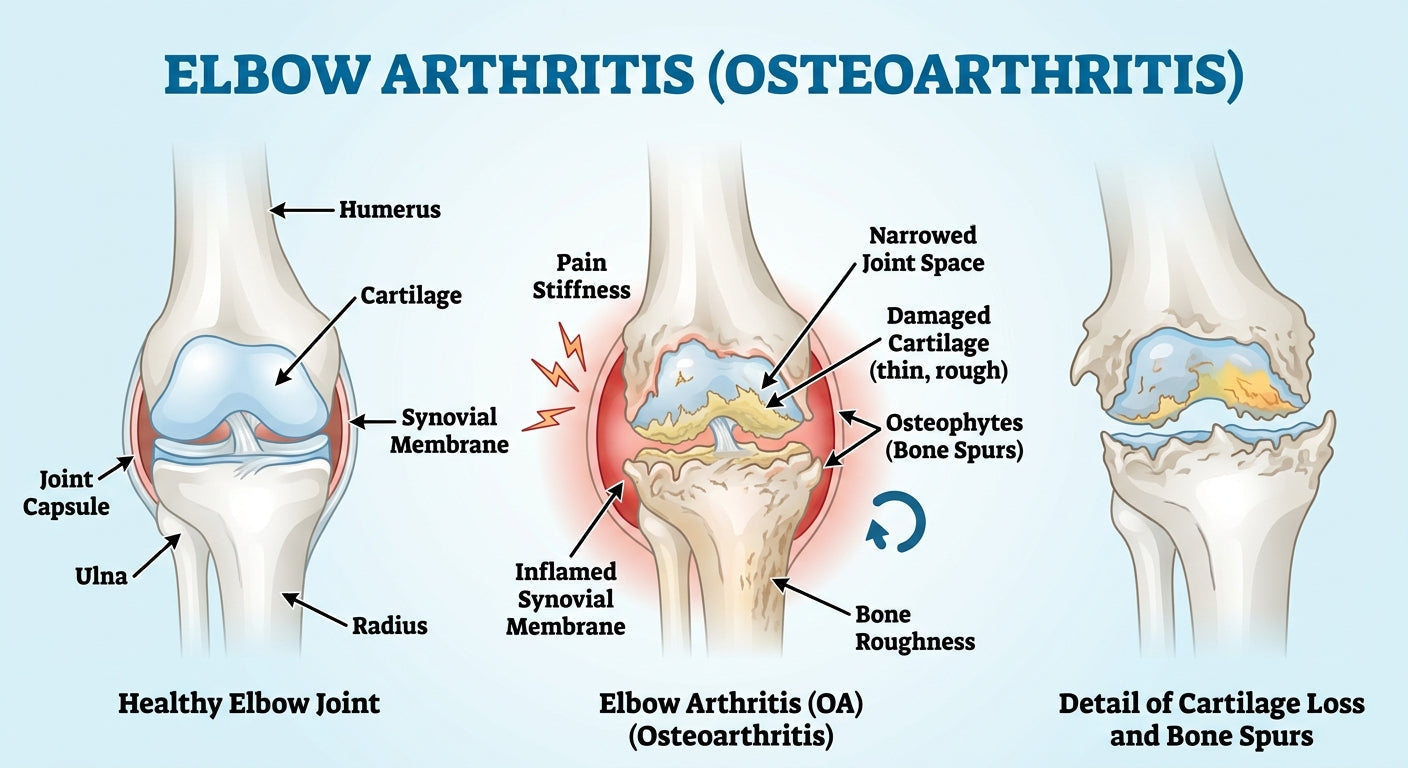
The elbow joint, a marvel of anatomical engineering, allows for a wide range of motion essential for countless daily activities, from lifting a cup to throwing a ball. However, when this joint is affected by arthritis, these simple movements can cause persistent pain, stiffness, and discomfort. Elbow arthritis is a condition characterized by inflammation of the elbow joint, leading to cartilage breakdown and changes in the underlying bone.

Types of Elbow Arthritis
Elbow arthritis isn't a single condition but rather an umbrella term encompassing several types, each with its distinct characteristics and origins.
- Osteoarthritis (OA) of the Elbow: Often referred to as "wear-and-tear" arthritis, osteoarthritis is the most common form. It typically develops gradually as the smooth articular cartilage that cushions the ends of the bones in the elbow wears away. This can expose the underlying bone, leading to friction, pain, and the formation of bone spurs (osteophytes). While weight-bearing joints are more commonly affected, the elbow can also be affected, especially in individuals with a history of elbow injury or those who engage in repetitive overhead activities or heavy manual labor.
- Rheumatoid Arthritis (RA) of the Elbow: Rheumatoid arthritis is a chronic autoimmune disease where the body's immune system mistakenly attacks its own tissues, including the lining of the joints (synovium). In the elbow, this leads to inflammation, swelling, pain, and can eventually cause cartilage damage and bone erosion. RA often affects multiple joints symmetrically, and the elbow is a common site, leading to significant disability if not managed effectively.
- Post-Traumatic Arthritis: This type of arthritis develops after a physical injury to the elbow, such as a fracture, dislocation, or severe sprain. The trauma can damage the joint surface or alter the joint's mechanics, leading to premature cartilage wear and tear. Symptoms may not appear immediately but can develop months or even years after the initial injury.
- Psoriatic Arthritis (PsA): Affecting some individuals with psoriasis, psoriatic arthritis can also involve the elbow joint. It's characterized by joint inflammation, swelling, and pain, often accompanied by the skin lesions typical of psoriasis.
- Gout: While less common in the elbow, gout is a form of inflammatory arthritis caused by the buildup of uric acid crystals in a joint, leading to sudden, severe attacks of pain, redness, and swelling.
Causes and Risk Factors
- Age: The risk of osteoarthritis increases with age as cartilage naturally degenerates.
- Previous Injury: Fractures, dislocations, or repetitive stress injuries to the elbow can significantly increase the risk of post-traumatic arthritis.
- Repetitive Stress: Athletes, particularly those involved in throwing sports (baseball pitchers, javelin throwers), or individuals whose occupations require frequent overhead movements or heavy lifting, may put excessive strain on the elbow joint, accelerating cartilage breakdown.
- Genetic Predisposition: Some types of arthritis, like rheumatoid arthritis, have a genetic component, meaning they can run in families.
- Autoimmune Diseases: Conditions such as rheumatoid arthritis and psoriatic arthritis are systemic diseases that can affect joints throughout the body, including the elbow.
- Obesity: While more directly impactful on weight-bearing joints, excess body weight can contribute to systemic inflammation, potentially exacerbating arthritis symptoms in various joints.
Symptoms of Elbow Arthritis
- Pain: Often a deep ache that worsens with activity and improves with rest. In some cases, sharp pain may occur with specific movements.
- Stiffness: Especially noticeable in the morning or after periods of inactivity. This can make it difficult to fully straighten or bend the arm.
- Swelling: Inflammation in the joint can lead to visible swelling around the elbow.
- Limited Range of Motion: Difficulty moving the elbow through its full natural arc.
- Grinding or Catching Sensation: A feeling of bones rubbing together, or a "catching" sensation during movement, due to damaged cartilage or bone spurs.
- Weakness: The affected arm may feel weaker, impacting grip strength or the ability to lift objects.
- Nerve Irritation: In advanced cases, bone spurs can irritate nearby nerves, leading to numbness, tingling, or weakness in the forearm, hand, or fingers.
Diagnosis of Elbow Arthritis
A thorough diagnosis of elbow arthritis typically involves several steps:
- Medical History and Physical Examination: A healthcare professional will ask about your symptoms, medical history, and any previous elbow injuries. They will then examine your elbow, assessing pain, swelling, range of motion, and stability.
-
Imaging Tests:
- X-rays: These are often the first imaging tests ordered to visualize bone changes, such as joint space narrowing, bone spurs, and deformities.
- MRI (Magnetic Resonance Imaging): Provides detailed images of soft tissues, including cartilage, ligaments, and tendons, helping assess the extent of cartilage damage and identify other issues.
- CT (Computed Tomography) Scans: Can offer more detailed images of bone structure than X-rays, particularly useful for complex fractures or precise bone spur mapping.
- Laboratory Tests: For suspected inflammatory forms of arthritis (such as rheumatoid arthritis or gout), blood tests may be performed to detect specific markers of inflammation or autoimmune activity. Joint fluid aspiration (removal of joint fluid) may also be performed to rule out infection or to identify crystal deposits in gout.
Treatment Options for Elbow Arthritis
Managing elbow arthritis typically involves a multi-faceted approach, starting with conservative methods and progressing to more invasive options if necessary. The primary goals are to relieve pain, reduce inflammation, improve joint function, and prevent further damage.
Conservative (Non-Surgical) Treatments
- Rest and Activity Modification: Avoiding activities that exacerbate pain is crucial. Modifying movements or taking breaks can help reduce stress on the joint.
-
Pain Management:
- Over-the-counter medications: Nonsteroidal anti-inflammatory drugs (NSAIDs) such as ibuprofen and naproxen can help reduce pain and inflammation.
- Prescription medications: Stronger NSAIDs, disease-modifying antirheumatic drugs (DMARDs) for RA, or other pain relievers may be prescribed.
- Physical Therapy: A physical therapist can design an exercise program to improve range of motion, strengthen surrounding muscles, and enhance joint stability. Therapeutic exercises can also help relieve stiffness in the elbow and maintain flexibility.
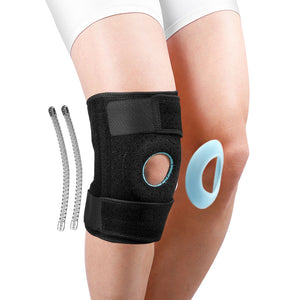
- Bracing and Supports: Wearing an elbow support can provide stability, reduce stress on the joint, and help manage pain during activities. Specialized sleeves designed to provide compression for elbow pain can also help reduce swelling and provide comfort. For conditions like tendonitis that can accompany or be mistaken for arthritis, an elbow brace for tendonitis may also be recommended.
- Heat and Cold Therapy: Applying ice packs can reduce acute inflammation and pain, while heat packs can help relax stiff muscles and improve blood flow.
Living with Elbow Arthritis
Managing elbow arthritis is an ongoing process that often requires lifestyle adjustments and self-care strategies.
- Exercise Regularly: Engage in low-impact exercises that maintain joint flexibility and strength without overstressing the elbow. A physical therapist can guide you on appropriate exercises.
- Maintain a Healthy Weight: Reducing excess body weight can reduce overall inflammation and potentially alleviate stress on joints.
- Ergonomic Adjustments: Modify your workspace and daily routines to minimize elbow strain. Use adaptive tools if needed.
- Listen to Your Body: Pay attention to pain signals and avoid activities that aggravate your symptoms.
- Stay Informed: Continuously learn about your condition and work closely with your healthcare team.
When to See a Doctor
It's important to consult a healthcare professional if you experience:
- Persistent elbow pain, swelling, or stiffness that doesn't improve with rest or over-the-counter remedies.
- Decreased range of motion in your elbow that interferes with daily activities.
- Signs of nerve compression, such as numbness, tingling, or weakness in your hand or fingers.
- Any sudden increase in pain or swelling.
Early diagnosis and intervention can significantly impact the long-term management and prognosis of elbow arthritis, helping to preserve joint function and improve your quality of life.
-
Veröffentlicht in
Elbow injury