Joint Pain
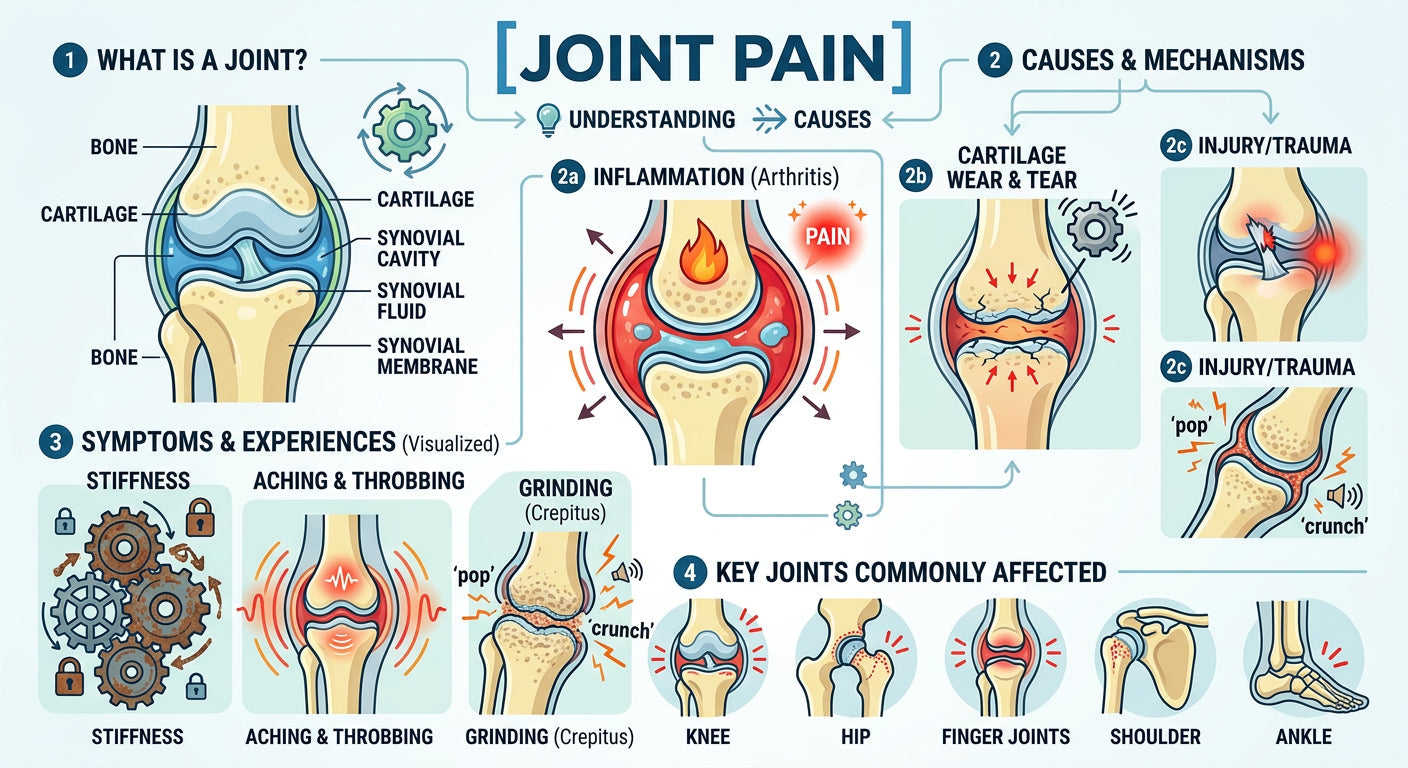
Joint pain is a common ailment that can range from a mild ache to severe, debilitating discomfort, affecting millions worldwide. Our joints, the points where two or more bones meet, are crucial for movement and flexibility. When these vital structures hurt, it can significantly affect daily activities, quality of life, and overall well-being.
From the knees and hips to the shoulders and wrists, joint pain can manifest in almost any joint in the body. It can be acute, appearing suddenly after an injury, or chronic, persisting for weeks, months, or even years. Identifying the root cause is the first step toward effective treatment, which often involves a combination of lifestyle adjustments, physical movement, and professional guidance.

Common Causes of Joint Pain
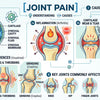
- Osteoarthritis (OA): Often called "wear-and-tear" arthritis, OA is the most common form. It occurs when the protective cartilage at the ends of your bones wears down over time, causing your bones to rub directly against each other. This results in pain, stiffness, and reduced flexibility, commonly affecting the knees, hips, hands, and spine.
- Rheumatoid Arthritis (RA): This is an autoimmune disease in which the body's immune system mistakenly attacks the lining of the joints, causing inflammation, pain, swelling, and, eventually, joint erosion and deformity. RA typically affects smaller joints first, like those in the hands and feet, often symmetrically.
- Bursitis: This condition involves the inflammation of bursae, small fluid-filled sacs that cushion bones, tendons, and muscles near joints. Repetitive motion or pressure on joints often causes it, leading to pain and tenderness, especially in the shoulder, elbow, hip, and knee.
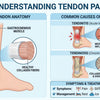
- Tendonitis: The inflammation or irritation of a tendon, the thick fibrous cords that attach muscle to bone. Tendonitis can occur in any joint, but is common in the shoulders, elbows, wrists, and knees. Activities involving repetitive motion can contribute to conditions such as wrist tendonitis.
- Injuries: Acute injuries such as sprains, strains, dislocations, or fractures can cause sudden and severe joint pain. Sports injuries, falls, or accidents are frequent causes.
- Gout: A form of inflammatory arthritis caused by a buildup of uric acid crystals in a joint, most commonly the big toe. It can cause sudden, severe attacks of pain, redness, and swelling.
- Fibromyalgia: A chronic disorder characterized by widespread musculoskeletal pain, fatigue, and tenderness in specific areas, including joints.
Recognizing the Symptoms
While pain is the primary symptom, joint discomfort often comes with other signs that can help pinpoint the cause:
- Stiffness: Especially noticeable after periods of inactivity, such as first thing in the morning.
- Swelling: Fluid buildup around the joint, making it appear larger or puffy. If you have visible swelling, learning how to reduce fluid in the knee can be a crucial step in managing discomfort.
- Redness and Warmth: The skin around the affected joint may feel hot to the touch and appear discolored.
- Reduced Range of Motion: Difficulty moving the joint through its full normal motion.
- Clicking, Popping, or Grinding Sensations: Sounds or feelings within the joint during movement.
Diagnosis and Professional Consultation
Accurate diagnosis is key to effective treatment. A healthcare professional will typically conduct a physical examination, ask about your symptoms and medical history, and may recommend diagnostic tests. These can include:
- Imaging Tests: X-rays, MRI (Magnetic Resonance Imaging), CT scans, or ultrasound to visualize joint structures and identify issues such as cartilage damage, bone spurs, or inflammation.
- Laboratory Tests: Blood tests can help detect inflammatory markers or specific antibodies associated with autoimmune conditions, such as rheumatoid arthritis, or high uric acid levels indicative of gout.
Comprehensive Management Strategies for Joint Pain
Lifestyle Adjustments and Self-Care
- Rest and Activity Modification: Give the affected joint time to recover by resting it, while avoiding complete inactivity. Modifying activities to avoid aggravating movements is crucial.
- Hot and Cold Therapy: Ice packs can help reduce inflammation and numb pain, especially during acute flare-ups. Heat, such as warm baths or heating pads, can relax muscles and improve circulation, easing stiffness.
- Movement and Exercise: Regular, gentle exercise is vital for maintaining joint flexibility, strengthening surrounding muscles, and improving overall function. Low-impact activities like swimming, cycling, and walking are often recommended. A qualified movement professional can help design a suitable exercise program.
- Weight Management: Excess body weight adds stress to weight-bearing joints such as the knees, hips, and spine. For many, exploring how weight loss can alleviate knee pain becomes a core part of their pain management strategy.
- Ergonomics and Posture: Ensuring proper posture and ergonomic setups at work or at home can minimize joint strain.
- Supportive Solutions: Depending on the type and severity of your joint pain, supportive options such as wraps, sleeves, or supports can offer stability and reduce discomfort during activity. Discovering effective knee pain solutions can provide much-needed relief and support, allowing for greater mobility and participation in daily life.
When to Seek Professional Guidance
While many instances of mild joint discomfort can be managed at home, certain situations warrant professional attention:
- Severe pain that comes on suddenly.
- Inability to move the affected joint.
- Significant swelling, redness, or warmth around the joint.
- Joint deformity.
- Pain accompanied by fever or unexplained weight loss.
- Pain that persists for more than a few days despite self-care.
-
Veröffentlicht in
Knee Injuries