Heel Pain
Heel pain is one of the most common foot-related complaints, affecting people of all ages and activity levels. Whether you're an athlete, a busy professional, or simply someone who enjoys a daily walk, understanding the source of your heel pain is the first step toward finding lasting relief.

What Are the Common Causes of Heel Pain?
Heel pain isn't a one-size-fits-all condition. The location of the discomfort provides crucial clues about the underlying cause. Generally, it can be categorized into two main areas: pain under the heel and pain behind the heel.
Pain Under the Heel
This is the most frequent type of heel pain, often linked to the structures that support the arch of your foot.
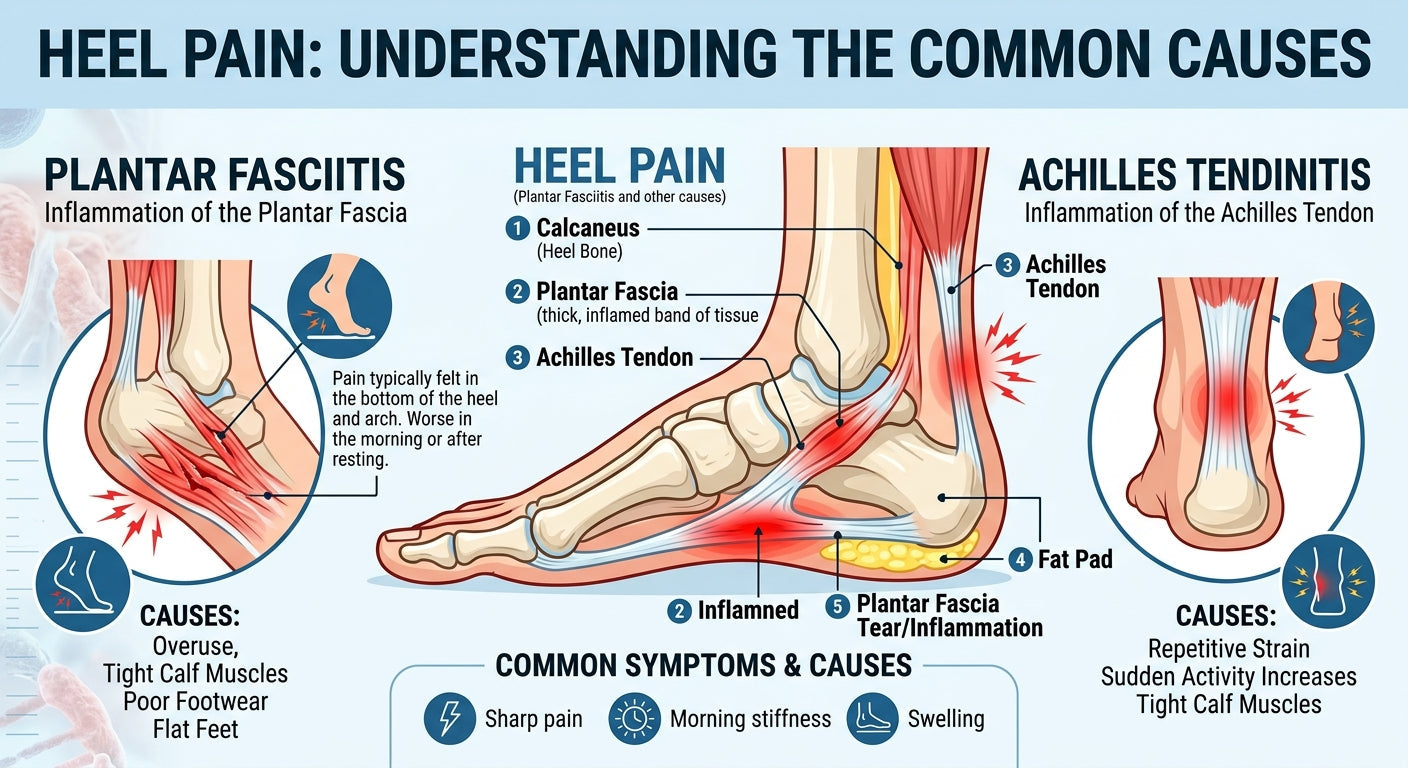
- Plantar Fasciitis: The leading cause of heel pain is plantar fasciitis. It occurs when the plantar fascia—a thick band of tissue that runs across the bottom of your foot connecting your heel bone to your toes—becomes inflamed. The pain is typically a sharp, stabbing sensation that is most intense with the first few steps after waking up or after long periods of rest. As you move around, the pain may decrease but can return after prolonged standing or activity. The discomfort from this condition can be so widespread that many people wonder, Can plantar fasciitis cause ankle pain as well? The answer is often yes, as gait changes to avoid heel pain can strain surrounding tissues.
- Heel Spurs: These are bony protrusions that can form on the heel bone. While they sound painful, heel spurs themselves are often not the direct cause of pain. Instead, they frequently develop due to long-term stress on the plantar fascia and are commonly associated with plantar fasciitis.
- Stone Bruise: Medically known as a fat pad contusion, this feels like you’ve stepped on a small rock. It’s a deep bruise in the fat pad of your heel, usually caused by a single impact or repetitive pounding on a hard surface.
Pain Behind the Heel
Discomfort localized at the back of the heel often involves the Achilles tendon.
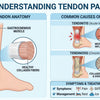
- Achilles Tendinitis: This condition involves the inflammation or irritation of the Achilles tendon, the large tendon that connects your calf muscles to your heel bone. It's an overuse injury common in runners and middle-aged individuals who participate in sports sporadically. The pain usually begins as a mild ache in the back of the leg or above the heel after activity.
- Retrocalcaneal Bursitis: The bursa is a small, fluid-filled sac that acts as a cushion between tendons and bones. Inflammation of the bursa located between the Achilles tendon and the heel bone can cause pain and tenderness at the back of the heel.
Key Risk Factors for Developing Heel Pain
Certain factors can increase your likelihood of experiencing heel pain. Understanding these can help in both prevention and treatment.
- Foot Mechanics: The structure of your foot plays a significant role. Flat feet or high arches can alter weight distribution, placing extra stress on the plantar fascia. Similarly, an abnormal walking pattern, such as overpronation (where the foot rolls inward excessively), can contribute. For those with this issue, a supportive overpronation ankle brace can help stabilize the foot and promote proper alignment. Learning how to fix pronated feet through exercises and proper support is a key preventative measure.
- Lifestyle and Occupation: Being overweight or obese increases the pressure on your feet. Jobs that require long hours of standing or walking on hard surfaces, such as teaching, factory work, or retail, also increase your risk.
- Improper Footwear: Consistently wearing shoes with poor arch support, inadequate cushioning, or worn-out soles can lead to heel problems.
- Exercise: A sudden increase in exercise intensity or duration without proper conditioning can strain the tissues in your feet. High-impact activities like running and sports that involve a lot of jumping, such as volleyball or basketball, can also be culprits. For athletes in these fields, proper footwear and supportive gear, such as basketball ankle braces, are essential.
How to Find Relief from Heel Pain
Most cases of heel pain can be resolved with conservative, at-home treatments. The goal is to reduce inflammation, relieve pressure, and support the foot's natural structure.
- Rest and Ice: The first step is often to reduce or stop the activities that cause the pain. Applying ice to the affected area for 15-20 minutes several times a day can help reduce inflammation and numb the pain.
- Stretching: Gentle stretching is crucial, especially for plantar fasciitis and Achilles tendinitis. Regularly stretch your calf muscles and the plantar fascia itself. A simple towel stretch—pulling your toes toward your shin while seated—can be very effective.
- Supportive Footwear and Inserts: Wear shoes that provide good cushioning and arch support. Avoid going barefoot on hard surfaces. Over-the-counter arch supports or heel cups can provide additional relief.
- Bracing and Compression: Targeted support can make a significant difference. For example, using an ankle wrap for plantar fasciitis can provide compression to reduce swelling and support the arch. For Achilles-related issues, a specialized Achilles tendonitis brace can help immobilize the tendon and promote healing. A versatile ankle support for heel pain can also provide generalized comfort and stability. Finding the right ankle brace for pain is often a key part of an effective recovery plan.
When to Consult a Healthcare Professional
While most heel pain improves with home care, you should see a doctor or physical therapist if:
- The pain is severe and accompanied by swelling.
- You are unable to walk normally or bear weight on your foot.
- The pain persists for more than a few weeks despite trying conservative treatments.
- You experience numbness or tingling in your foot.
- There are signs of an infection, such as redness, warmth, or fever.
Don't let heel pain hold you back. By identifying the cause, making simple lifestyle adjustments, and utilizing supportive treatments, you can effectively manage the discomfort and take a confident step toward a pain-free life.
-
Veröffentlicht in
Ankle Injuries