Sacroiliac Joint Discomfort
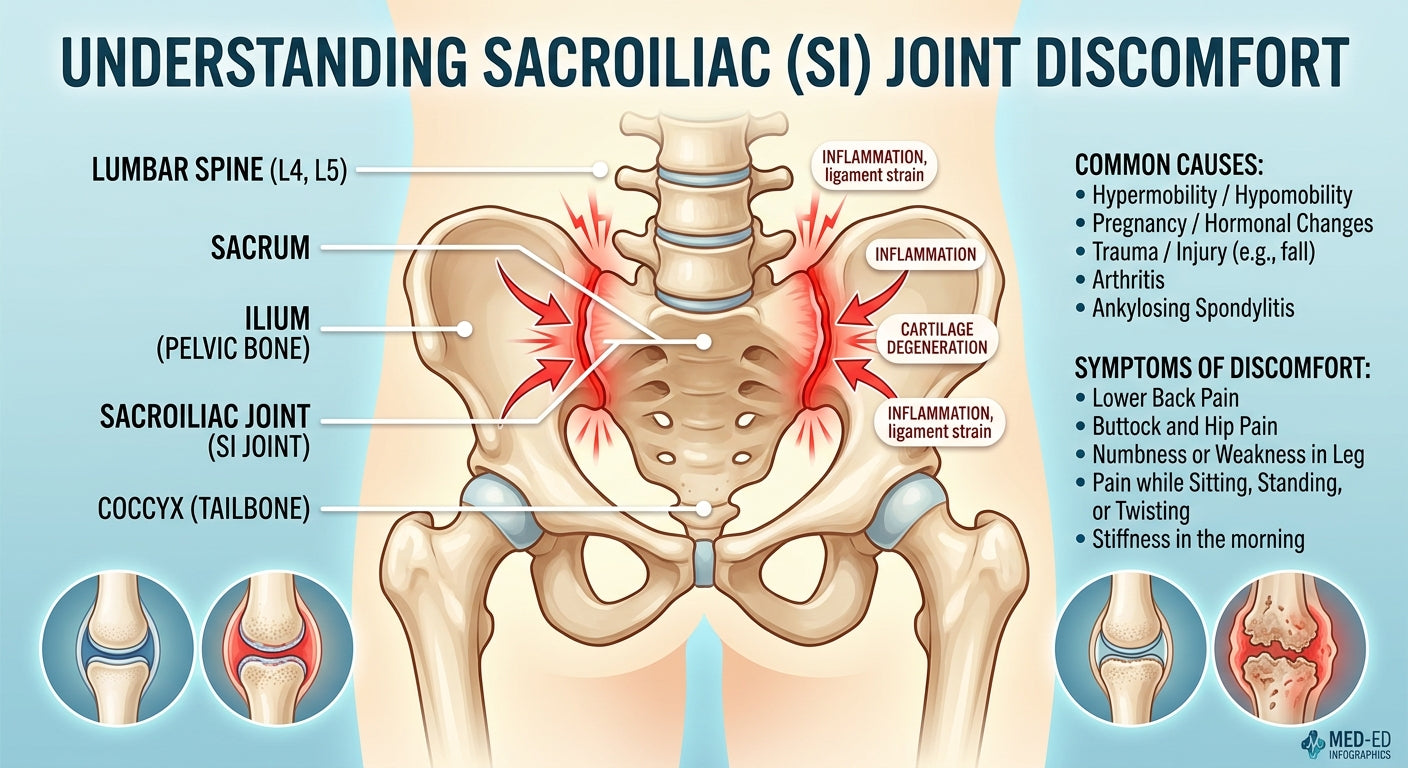
Sacroiliac joint discomfort, often called SI joint pain, is a common condition that can cause significant pain in the lower back and buttocks, sometimes extending into the legs. The sacroiliac joints are located where the sacrum (the triangular bone at the base of your spine) meets the ilium (the large bones of your pelvis). These joints play a crucial role in transferring weight between your upper body and legs and act as shock absorbers. When these joints become inflamed, irritated, or move too much or too little, they can cause sacroiliac joint discomfort that affects daily activities and quality of life.
The Sacroiliac Joint: Anatomy and Function
The SI joints are strong, weight-bearing joints that connect your spine to your pelvis. Unlike many other joints, they have limited movement and are primarily designed for stability. Strong ligaments surround and support these joints, allowing small gliding and rotational movements that are crucial for walking, bending, and carrying loads. Dysfunction arises when these ligaments become too lax or too stiff, leading to altered biomechanics and subsequent pain.
Causes of Sacroiliac Joint Discomfort
Several factors can contribute to the development of SI joint discomfort:
- Hypermobility (Too Much Movement): If the SI joint moves too much, it can cause instability and pain. This is often seen in conditions like pregnancy (due to hormonal changes loosening ligaments) or following trauma.
- Hypomobility (Too Little Movement): Conversely, if the joint becomes stiff and fixed, it can also cause pain. This can result from degenerative joint changes, arthritis, or prolonged sitting.
- Trauma: A direct fall on the buttocks, a car accident, or other injuries can damage the SI joint or its surrounding ligaments.
- Biomechanical Factors: Leg length discrepancies, scoliosis, or uneven gait can place asymmetrical stress on the SI joints over time.
- Inflammatory Arthritis: Conditions such as ankylosing spondylitis, psoriatic arthritis, and reactive arthritis can cause inflammation in the SI joints (sacroiliitis).
- Pregnancy: Hormones released during pregnancy loosen ligaments, including those around the SI joints, and the added weight and altered gait can stress the joints.
- Previous Lumbar Spine Surgery: Especially lumbar fusion, which can increase stress on the adjacent SI joints.
Symptoms to Look For
The pain associated with sacroiliac joint discomfort can vary widely in intensity and location, but commonly includes:
- Lower back pain, often unilateral but sometimes bilateral.
- Pain in the buttocks, groin, or hip.
- Pain radiating down the back of the thigh, sometimes mimicking sciatic pain.
- Increased pain with weight-bearing activities, standing, walking, or climbing stairs.
- Discomfort when sitting for long periods or lying on the affected side.
- Stiffness in the lower back or hips, especially in the morning.
- A feeling of instability in the pelvis or lower back.
Diagnosis of SI Joint Issues
Diagnosing sacroiliac joint discomfort can be challenging because its symptoms often overlap with other conditions, such as lumbar spine issues or hip problems. A thorough evaluation by a healthcare professional typically involves:
- Medical History: Discussing your symptoms, their onset, and any aggravating or alleviating factors.
- Physical Examination: Special tests that put stress on the SI joint to reproduce your pain. These may include the FABER test, Gaenslen's test, and the thigh thrust test.
- Imaging: X-rays, MRI, or CT scans may be used to rule out other conditions or to identify signs of arthritis, though they may not directly show SI joint dysfunction.
- Diagnostic Injection: The most definitive diagnostic tool is often an anesthetic injection into the SI joint. If the pain significantly decreases after the injection, it strongly suggests the SI joint as the source of discomfort.

Treatment Approaches for Sacroiliac Joint Discomfort
Treatment for sacroiliac joint discomfort aims to reduce pain, restore normal joint function, and improve overall mobility.
- Rest and Activity Modification: Avoiding activities that aggravate the pain is excruciating, at least temporarily.
- Physical Therapy: A physical therapist can provide exercises to strengthen core muscles, improve flexibility, and stabilize the pelvis. They may also use manual therapy techniques to mobilize or stabilize the joint.
- Medications: Over-the-counter pain relievers, anti-inflammatory drugs, or muscle relaxants can help manage pain and inflammation.
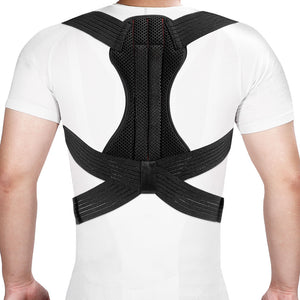
- Support Devices: Wearing a specialized support belt, sometimes called an adjustable compression support belt, around the hips can provide external compression and stability to the SI joints, helping reduce pain, especially during activity. For broader support, a lumbar support device may also help.
Living with Sacroiliac Joint Discomfort: Management and Prevention
Managing SI joint discomfort often involves a combination of strategies to prevent flare-ups and maintain function.
- Regular Exercise: Gentle exercises, stretching, and strengthening programs (as advised by a physical therapist) can maintain joint mobility and muscle strength.
- Ergonomics: Pay attention to posture when sitting, standing, and lifting. Use proper body mechanics to reduce stress on your back and pelvis.
- Weight Management: Maintaining a healthy weight reduces overall stress on your joints, including the SI joints.
- Supportive Aids: In addition to an adjustable support belt, some individuals find relief with a specialized sciatic support brace or even a hip brace if the pain radiates. For broader support, a back brace for pain may be considered, depending on the specific pain pattern and the physician's recommendation. Similarly, if symptoms affect the leg, a general sciatica brace or a hip-and-thigh support could provide comfort. Some might even consider a sciatica leg wrap for targeted lower limb support.
-
Veröffentlicht in
Back pain causes, Hip Injury