Beyond Waist Size: Master the Perfect Support Belt Fit for Your Unique Body Shape & Torso Length
Imagine you and your best friend are preparing for the upcoming summer holidays—perhaps gearing up for a Memorial Day weekend camping trip or a Father's Day golf outing. You both have a 34-inch waist, so you decide to buy the exact same size back support belt to keep your core stable during all the planned physical activities.
When the weekend arrives, your support belt feels like a customized second skin, keeping you comfortable through every swing and hike. Your friend, however, spends the entire weekend awkwardly tugging, pulling, and complaining that their brace keeps riding up or pinching their ribs.
Why did this happen?
Research indicates that an astonishing 78% of people who experience discomfort with their support belts do so because of improper sizing. The core issue isn't that the sizing chart is wrong—it's that we've been taught to look at our bodies as one-dimensional measurements. When we only look at a waist number, we ignore the incredible, three-dimensional architecture of the human body.
Let's dive into why your torso length, body shape, and hip-to-waist ratio matter just as much as your pants size when finding the perfect fit.

The "Fit First" Philosophy: Your Body's Blueprint
Before you even glance at a sizing chart or explore different materials, you need to understand your body's unique blueprint. Biomechanically speaking, your core is a cylinder of muscles, bones, and tissues. A standard sizing chart assumes everyone with a 34-inch waist has the exact same cylinder length and slope. In reality, two people with the same waist circumference can have entirely different support needs.
To get a true picture of your blueprint, you need to understand three core metrics:
- Torso Length: This is the vertical distance between the bottom of your ribcage and the top of your hip bone (iliac crest). Someone who is 5'4" can have a longer torso than someone who is 6'0".
- Waist Circumference: Knowing how to measure waist dimensions correctly is the foundational step. It's measured at the narrowest part of your torso, usually just above the belly button.
- Hip Circumference: Measured at the widest part of your hips and buttocks.
Why do these extra numbers matter? Because understanding your hips vs waist ratio dictates whether a support belt will stay anchored in place or relentlessly slide around as you move.
How Body Shape and Torso Length Dictate Design
Once you have your measurements, it’s time to identify your primary body shape. The way a lower back brace redistributes force and intra-abdominal pressure depends entirely on the terrain of your torso.
The Torso Length Variable
If you have a short torso, a tall, rigid support belt will likely push uncomfortably into your bottom ribs when you sit down, and dig into your thighs when you bend over. You need a design with a lower profile.Conversely, if you have a long torso, a standard belt might feel more like a narrow band that leaves the upper lumbar spine completely exposed and unsupported.
The Role of Body Shapes
- The Pear Shape: If your hips are significantly wider than your waist, standard belts tend to "ride up" toward the narrower waistline as you move. You need a design with highly adjustable dual-straps that can be angled downward to anchor securely over the wider hip base.
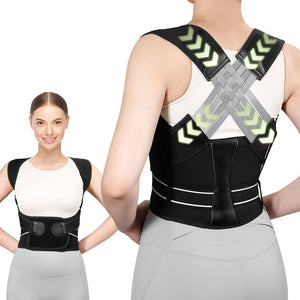
- The Apple Shape: If you carry more weight around your midsection, your core needs even pressure distribution to prevent the edges of the belt from rolling or folding over. A standard fivali back brace or similar support with flexible, anti-roll stays built into the sides will accommodate this curve without digging in.
- The Athletic/Rectangle Shape: With little variation between the waist and hips, the primary challenge is ensuring the belt doesn't slide down during high-intensity movements. A snug, contoured fit with non-slip inner materials is crucial here.

Advanced Fitting and Customization Strategies
You don't need a medical degree to achieve a custom-feeling fit, but you do need to know how to adjust the features you have. If you are exploring options like a fivali adjustable lower back brace, the secret lies in the secondary tension straps.
When you first put on a support belt, the primary large Velcro pads should secure the belt comfortably. The secondary straps are where the magic happens for different body shapes. If you have a pronounced curve in your lower back (lordosis), you can pull the secondary tension straps tighter to pull the lumbar pad directly into the arch of your spine, filling the gap.
Learning how to measure for a back brace accurately is only half the battle. The other half is taking the time to test your range of motion. Put your belt on, sit in a chair, bend to tie your shoes, and mimic your daily activities. If the belt shifts, pinches, or gaps, you now know that you likely need to adjust the tension based on your specific torso length or hip ratio.
FAQ: Navigating Support Belt Fit
Why does my support belt constantly ride up, shift, or pinch uncomfortably?
This common issue often stems from improper sizing that only considers waist circumference, ignoring the crucial role of your torso length and unique body shape. A belt might ride up if you have wider hips (pear shape) and the design isn't anchored correctly, or it could pinch your ribs if you have a shorter torso and the brace height is too tall.
What key body measurements are crucial for finding the right support belt, beyond just waist size?
To achieve an ideal fit, beyond your waist circumference, you need to understand your torso length—the vertical distance between the bottom of your ribcage and the top of your hip bone. Additionally, your hip circumference, measured at the widest part, is essential for understanding your hip-to-waist ratio, which dictates how the belt will stay anchored.
How does my specific body shape (e.g., pear, apple, athletic) influence the best support belt design?
- Pear Shape: If your hips are wider than your waist, look for designs with highly adjustable dual-straps that can be angled downward to secure the belt over your hip base, preventing it from riding up.
- Apple Shape: If you carry more weight around your midsection, choose a support belt with flexible, anti-roll stays built into the sides to ensure even pressure distribution and prevent the edges from rolling or folding.
- Athletic/Rectangle Shape: With less variation between waist and hips, a snug, contoured fit featuring non-slip inner materials is crucial to prevent the belt from sliding down during active movements.
How can I customize the fit of my support belt after putting it on?
After securing the primary large Velcro pads comfortably, utilize the secondary tension straps for fine-tuning. If you have a pronounced curve in your lower back, tighten these straps to pull the lumbar pad directly into the arch of your spine, filling any gaps. Always test your range of motion by sitting, bending, and mimicking daily activities, adjusting tension until the belt feels supportive without shifting, pinching, or gapping.
Moving Forward
Next time you find yourself browsing for core support to tackle your weekend adventures, look past the waist size on the box. Take five minutes to evaluate your torso length and body shape. By honoring your body's unique three-dimensional blueprint, you can transform a simple support belt from an annoying, pinching distraction into a comfortable tool that empowers your active lifestyle.