Sleep Hygiene Tips and Wrist Support Strategies

As we gear up for the upcoming Fourth of July weekend and the rush of summer activities, our bodies are put through the wringer. Between backyard volleyball games, carrying heavy coolers, and the general busyness of the holiday season, you might find yourself slipping into bed feeling entirely exhausted, only to be jolted awake by a familiar, throbbing ache in your wrists.
If you are dealing with nighttime wrist discomfort, you know how frustrating it can be. You are tired, you want to sleep, but your hands simply won't cooperate. You might be surprised to learn that the solution doesn't always start with buying something new. In fact, understanding the science of sleep hygiene and trying a few low-commitment, at-home interventions can completely change how you experience nighttime symptoms.
Let's explore why your joints ache when the lights go out, and what you can do about it tonight.

The Hidden Connection: Why Wrists Ache in the Dark
Before we can fix poor sleep, we have to understand what causes the disruption. Nighttime joint pain often feels like a mystery. You might wonder if it’s similar to a growing pain in legs as adult—a dull, confusing ache that seems to have no direct cause. However, wrist pain during sleep is usually driven by three very specific factors:
- Fluid Redistribution: When you lie down, the fluids in your body naturally redistribute. In a healthy sleep environment, this is normal. But if there is already slight inflammation in your wrist from daytime activities, this fluid can pool in your joints, increasing pressure on delicate nerves.
- The Fetal Position Trap: Human beings naturally curl inward for warmth and comfort while sleeping. This includes your hands. Sleeping with your wrist bent at a 90-degree angle for hours can put immense pressure on your median nerve.
- Lack of Movement: During the day, moving your hands helps pump fluid out of the wrist area. At night, prolonged stillness allows that stiffness to set in.
Good sleep hygiene isn't just about dimming the lights and turning off your phone; it’s about positioning your body for optimal recovery.
DIY Wrist Support Strategies You Can Test Tonight
You don't need a medical degree to start investigating your sleep symptoms. By treating your bedtime routine like an experiment, you can gather valuable data about what your body needs. Here are actionable steps you can try right now.
1. Master Your Sleep Posture
Your head and neck alignment dictates the nerve pathways traveling down your shoulders, arms, and into your hands.
- Side Sleepers: Avoid tucking your hands under your chin or beneath your pillow, which forces the wrists into a severe bend. Instead, hug a thick pillow to your chest. This naturally drapes your arms in a neutral, relaxed posture.
- Back Sleepers: This is often considered the ideal position for joint relief. Rest your arms on small pillows at your sides so your hands are slightly elevated above your heart, reducing fluid pooling. If you suffer from elbow discomfort as well, learning the optimal sleeping position for tennis elbow can further help align your entire arm.
- Stomach Sleepers: This position is notorious for causing nerve compression because you inevitably tuck your hands under your body weight. Try transitioning to your side. If you must sleep on your stomach, let your arms rest straight down by your sides rather than tucked under your hips. Finding the best sleep position for cubital tunnel syndrome or general wrist discomfort almost always involves keeping the arms un-tucked and un-bent.

2. The Unsung Heroes: Household Hacks for Wrist Alignment
If you want to prevent your wrists from curling inward but don't have specialized gear yet, you can create the best wrist support for temporary relief using items you already own.
- The Sock and Towel Trick: Take a small hand towel or washcloth and roll it into a cylinder. Place it against the palm side of your wrist, bridging the gap between your hand and forearm. Then, slide a clean, slightly loose tube sock over your hand and arm to hold the towel in place. This provides a gentle, soft reminder to keep the wrist straight without applying rigid pressure.
- The Silk Scarf Wrap: Wrap a soft scarf loosely around your wrist before bed. The slight bulk will physically prevent you from bending the wrist too sharply during deep sleep, acting as a behavioral cue to your unconscious brain.
These DIY interventions are incredibly useful because they help you figure out if stabilization actually relieves your pain before you commit to buying a targeted solution.
Frequently Asked Questions (FAQ)
When embarking on a journey to improve sleep and reduce nighttime pain, questions are natural. Here are a few common beginner queries:
How do I know if my nighttime posture is causing the pain?
If you wake up with numbness, tingling, or stiffness that gradually fades within an hour of waking and moving around, your sleep posture and lack of nighttime movement are likely playing a major role.
Can you sleep with a wrist brace on?
Yes, stabilizing the joint during sleep is a very common intervention, but it depends on the severity of your symptoms and the type of stabilization used. Testing soft, DIY supports first helps you understand what level of restriction your body responds to.
Should I sleep with a wrist brace on for tendonitis?
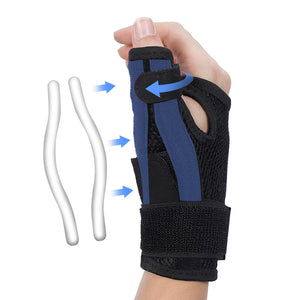
While many people do seek overnight support for inflamed tendons, the decision often comes down to choosing between soft compression (which keeps the joint warm and slightly mobile) or rigid immobilization (which completely locks the joint in a neutral position).

Next Steps: Assessing Your Symptom Patterns
The goal of testing these at-home sleep hygiene strategies is to become a detective of your own health. Keep a simple "sleep diary" on your nightstand. Over the next week, jot down what position you fell asleep in, which DIY support you tried, and rate your morning wrist comfort on a scale of 1 to 10.
If you notice that keeping the wrist straight significantly reduces your morning aches, you've just uncovered a massive piece of your personal health puzzle! This makes exploring proper wrist tendonitis treatment much more straightforward.
If your temporary household hacks bring relief but eventually feel too bulky or slip off during the night, you are now equipped with the data you need to take the next step. You will know exactly how to choose a wrist brace that aligns with your specific nighttime needs, allowing you to confidently decide whether a soft compression sleeve or a rigid nighttime wrist brace is the right long-term tool for your active lifestyle.
Tonight, try the rolled towel trick, hug a pillow to your chest, and start taking back your sleep. Sweet dreams!