How to Choose the Best Back Brace for Posture Correction & Shoulder Straightening

We spend an unprecedented amount of our day hunched over keyboards and scrolling through smartphones. As we approach Memorial Day weekend and the unofficial kickoff to summer travel and outdoor activities, the physical toll of that desk-bound posture becomes impossible to ignore. Nobody wants to be sidelined by nagging back discomfort during a family barbecue or a long road trip.
If you are currently evaluating different solutions to align your spine and relieve tension, you already know that good posture is essential. But the benefits extend far beyond simply standing up straight. The psychological benefits of good posture are well-documented: upright alignment physically opens your chest, allowing for deeper breathing that naturally boosts your energy levels, while simultaneously signaling confidence and self-assurance to your brain.
With millions suffering from back pain annually, finding the right support is a crucial step in your wellness journey. But how do you filter through the noise to find the right solution for your specific needs? This guide will help you compare different brace designs so you can make an informed, confident decision.
Do Posture Correctors Really Work? The Expert Consensus
When evaluating the best posture correctors, the most common question is about efficacy. The short answer is yes, they work—but it is vital to understand how they work.
Physical therapists and physical health experts view a high-quality posture corrector not as a permanent crutch, but as a sensory reminder. Think of it as a set of training wheels for your muscles. When you begin to slouch, the brace provides gentle proprioceptive feedback—a physical cue that prompts your brain to engage your core and pull your shoulders back.
Understanding Your Posture Problem
Before you can choose the right support, you need to identify the specific mechanical issue you are trying to solve.
Common Posture Mistakes and Their Long-Term Health Implications
Our modern lifestyles encourage specific postural deviations. The most common is "tech neck" or generalized slouching, which often leads to severe rounded shoulders. When you constantly lean forward, your chest muscles tighten, and your upper back muscles weaken and lengthen.
Over time, these common posture mistakes carry significant long-term health implications. Chronic poor posture can lead to tension headaches, accelerated joint wear in the spine, pinched nerves, and even reduced lung capacity due to a compressed chest cavity. Understanding how to fix rounded shoulders early on is critical to preventing these deeper systemic issues.

Types of Posture Correctors: Which One is Right for You?
Not all posture correctors are created equal. Different designs target different areas of the spine. Here is how to evaluate the primary categories to find your perfect match.
1. The Shoulder Straightener (Clavicle Brace)
How it works:
This design focuses almost entirely on the upper back, using a figure-eight or loop design to gently retract the shoulder blades.
Best for:
Individuals dealing specifically with rounded shoulders and mild upper-back fatigue from desk work.
The Fivali Advantage:
A prime example is the classic fivali back brace designed for shoulder straightening. It is lightweight, highly discreet under clothing, and focuses purely on upper-body spatial awareness without restricting your lower torso.
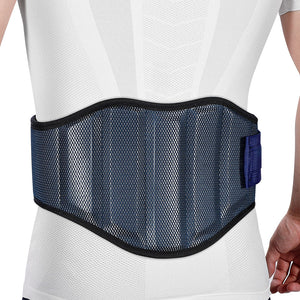
2. The Full Back Brace
How it works:
This structural design extends down the spine, providing support to both the thoracic (mid) and lumbar (lower) regions, often utilizing rigid or semi-rigid stays along the spine.
Best for:
Those dealing with a pronounced hunchback (kyphosis), combined upper and lower back pain, or anyone needing comprehensive spinal stabilization.
The Fivali Advantage:
A full back brace for posture offers maximum alignment support. While slightly bulkier, it takes the guesswork out of maintaining a neutral spine across your entire back.
3. The Vest-Style Posture Corrector
How it works:
Blending the concepts of both previous designs, the vest style distributes corrective tension across a wider surface area of the back and shoulders.
Best for:
Individuals with an active lifestyle who need moderate, full-torso support that feels secure and stays in place during movement.
The Fivali Advantage:
Choosing a posture corrector vest provides a highly comfortable, secure fit that won't ride up during physical activity, distributing pressure evenly to prevent localized fatigue.

Key Decision Factors When Choosing a Brace
Once you know the type of back support brace you need, evaluating the materials and construction is your next priority. Many generic correctors fail because they overlook the nuances of prolonged wear.
Comfort and Material Science
A brace only works if you actually wear it. The biggest complaint with poorly designed correctors is severe underarm chafing and heat trapping. Look for solutions crafted with highly breathable mesh, moisture-wicking fabrics, and soft neoprene padding at friction points. Fivali prioritizes these advanced material blends to ensure the brace breathes with your skin, even during warmer weather.
Adjustability and Discreetness
Your body fluctuates throughout the day. A premium corrector must feature bilateral adjustment straps so you can easily dial in the perfect amount of tension independently. Furthermore, if you plan to wear it to the office, a low-profile design that sits flush against the skin without obvious bulging under a shirt is essential.
How to Use Your Posture Corrector for Best Results
Buying the brace is only step one; integrating it into a holistic routine is where real change happens.
Many new users ask, how long should you wear a back brace during the day? It is a common misconception that you should wear a corrector from morning until night. Experts advise against this to prevent muscle atrophy. Start by wearing your brace for just 20 to 30 minutes a day. Use it during activities where your posture typically degrades, like sitting at your computer or reading. Gradually increase the time as your body adjusts, but rely on the brace as a training tool, not a permanent exoskeleton.

Pair with Daily Exercise
To achieve lasting posture correction, you must strengthen the muscles the brace is training. Incorporate simple daily exercises to improve posture and core strength. Focus on chest-opening stretches (like doorway stretches) to combat tight pectoral muscles. Combine these with shoulder functional exercises such as scapular squeezes, resistance band rows, and planks to build the muscular endurance needed to hold your newly aligned posture naturally.
Frequently Asked Questions
Will a posture corrector fix my hunchback permanently?
A brace alone is not a magic cure. It is a highly effective tool for retraining muscle memory and providing sensory feedback. When combined with targeted exercises and proper workstation ergonomics, it acts as a catalyst for long-term, permanent postural improvement.
Can I wear my brace while working out?
It depends on the activity and the type of brace. A lightweight shoulder straightener or flexible vest can be worn during light walks or low-impact activities to maintain awareness. However, it is generally recommended to take it off during intense weightlifting or rigorous cardio so your core and back muscles are forced to stabilize your body naturally.
How do I clean my posture corrector?
Because you wear it close to your skin, regular cleaning is vital. Most high-quality correctors should be hand-washed in cold water with a mild detergent. Avoid the washing machine and dryer, as harsh cycles and high heat can degrade the elasticity and structural integrity of the supportive straps. Lay it flat to air dry completely before your next use.
Take the Next Step Toward Better Alignment
Choosing the right posture corrector doesn't have to be overwhelming. By identifying your specific postural challenges—whether it's rounded shoulders from desk work or a need for full spinal support—you can select a design engineered to help you stand taller and move better.
Fivali is dedicated to providing high-quality, affordable, and comfortable solutions designed to seamlessly integrate into your daily life. Explore our comprehensive collection of back braces today to find the exact support you need to reclaim your confidence, reduce daily discomfort, and stay active all season long.