Elbow Pain Relief: Golf or Tennis Elbow? Find Your Ideal Counterforce Brace Today
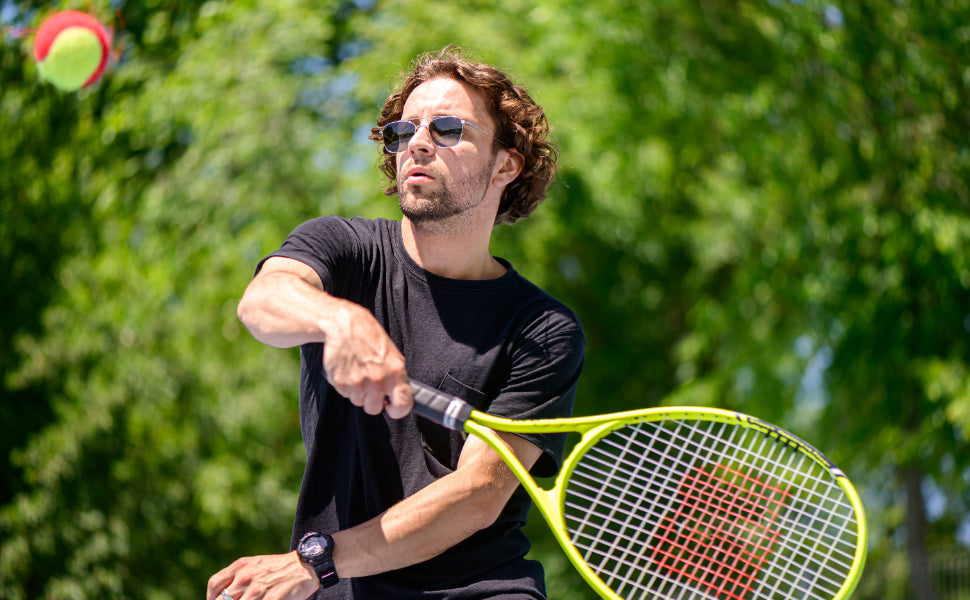
That nagging ache on the inside or outside of your elbow has a name, but figuring out the right support can feel like a tough match. You're ready to get back on the course or the court, especially with the summer season kicking off, but you're stuck evaluating solutions. Is there really a difference between a brace for golfer's elbow and one for tennis elbow?
The short answer is yes—the difference lies in where you need the support. The cause of your pain dictates the solution. Whether you're dealing with the sharp pain of a backhand shot or the dull ache after a day on the links, choosing a brace designed for your specific condition is the first step toward relief and recovery.
Let's break down the mechanics of your elbow pain and guide you to the precise support you need to play with confidence.

Understanding Your Pain: Medial vs. Lateral Epicondylitis
While often grouped together, tennis elbow and golfer's elbow affect different sides of your forearm. Identifying your pain's location is the single most important factor in selecting the right brace.
Lateral Epicondylitis (Tennis Elbow)
This is an inflammation of the tendons that connect your forearm muscles to the bony bump on the outside of your elbow. It’s caused by repetitive wrist and arm motions, common in tennis but also in activities like painting or carpentry. Research shows it's 7 to 10 times more common than golfer's elbow in the general population. If you're experiencing pain on the outer part of your elbow, especially when lifting or gripping, you're likely dealing with lateral epicondylitis. If you suspect this is your issue, it's helpful to understand the early signs of tennis and golfer's elbow to confirm your symptoms.
Medial Epicondylitis (Golfer's Elbow)
This condition affects the tendons on the inside of your elbow. It stems from overuse of the muscles that flex your wrist and fingers—actions central to a golf swing, but also common in throwing sports and weightlifting. The key symptom is pain and tenderness centered on the bony bump on the inner side of your elbow, which can radiate down your forearm. These golfer's elbow symptoms inner elbow pain are a clear indicator that you need targeted support on the medial side of your arm.
The Science of Support: How a Counterforce Brace Works
You might wonder how a simple strap can provide so much relief. It's not magic; it's biomechanics. A counterforce brace applies gentle, targeted pressure to the forearm muscles just below the elbow.
This pressure serves a crucial purpose: it absorbs and redirects the forces that travel up the muscle to the inflamed tendon. Clinical studies show that a well-placed counterforce brace can reduce the force transmitted to the tendon origin by 13-15%. This small change can significantly reduce pain, improve grip strength, and allow the injured tendon to rest and heal, even while you remain active. With a 90% success rate for non-operative treatments over 12-18 months, using the right brace is a cornerstone of an effective recovery plan.
Choosing Your Brace: Fivali's Tailored Solutions
Because pain location differs, pressure must be applied precisely. While a single brace can often be adjusted for either condition, selecting a design optimized for comfort and stability during your specific activity makes all the difference. Fivali offers distinct solutions to ensure you get the perfect fit for your needs.

For Targeted Outer Elbow Relief: The Fivali Tennis Elbow Brace
If your pain is on the outside of your elbow, you need focused pressure on the extensor muscles. The Fivali Tennis Elbow Brace is engineered for this exact purpose.
- Optimized for Lateral Epicondylitis: Features a firm, contoured compression pad that delivers precise pressure to the exact spot causing tennis elbow pain.
- Secure and Stable: The dual-strap design ensures the brace stays in place during intense volleys or repetitive work tasks, preventing slippage and maintaining consistent support.
- Ideal For: Tennis players, painters, mechanics, and anyone experiencing outer elbow pain from gripping activities.
For Versatile Inner Elbow Support: Fivali Elbow Strap for Sports
When the pain is on the inside of your elbow, you need support that is both effective and comfortable during dynamic movements like a golf swing. The Fivali Elbow Strap for Sports provides lightweight, adaptable support.
- Optimized for Medial Epicondylitis: Its slim profile and broad pressure pad position perfectly over the flexor muscles on the inner forearm to provide ideal counterforce brace support for golfer's elbow.
- Lightweight and Breathable: Designed for all-day comfort, it won't interfere with your swing or feel bulky, making it perfect for long hours on the course or in the gym.
- Ideal For: Golfers, baseball pitchers, construction workers, and anyone needing discreet, flexible support for inner elbow pain. Some users also find that a counterforce elbow brace is better than a full sleeve.
Mastering the Fit: How to Wear Your Brace for Maximum Relief
Proper placement is everything. An incorrectly worn brace won't provide relief and could even make things worse. Follow this simple rule endorsed by orthopedic specialists: position the pressure pad about one thumb's breadth below the most painful point.
For Tennis Elbow (Outer Pain):
- Locate the tender spot on the outside of your forearm, just below the elbow.
- Slide the brace up your arm with the pressure pad facing forward.
- Place the pad directly over the muscle belly, about a finger-width below the painful area.
- Fasten the strap until you feel firm, comfortable pressure—not so tight that it cuts off circulation.
For Golfer's Elbow (Inner Pain):
- Locate the tender spot on the inside of your forearm.
- Slide the brace up your arm.
- Position the pressure pad directly over the muscle on the inner side of your forearm, just below the painful point.
- Secure the strap to a snug, supportive fit. For more detailed instructions, check our guide on how to wear a golfer's elbow brace.
Your Questions, Answered (FAQ)
Q: What is a counterforce brace and how does it provide relief?
A: A counterforce brace applies gentle, targeted pressure to the forearm muscles just below the elbow. This pressure absorbs and redirects forces traveling up the muscle to the inflamed tendon, significantly decreasing pain, improving grip strength, and allowing the injured tendon to rest and heal. Clinical studies show it can reduce force transmitted to the tendon by 13-15%.
Q: How can I tell if I have Tennis Elbow (Lateral Epicondylitis) or Golfer's Elbow (Medial Epicondylitis)?
A: The key is the location of your pain. If you experience pain on the outside of your elbow, especially when lifting or gripping, it's likely Tennis Elbow (Lateral Epicondylitis). If the pain and tenderness are centered on the bony bump on the inside of your elbow, potentially radiating down your forearm, you're likely dealing with Golfer's Elbow (Medial Epicondylitis).
Q: Can one counterforce brace be used for both Tennis and Golfer's Elbow?
A: Yes, in many cases, a versatile counterforce brace can be adjusted for both conditions. The key is proper placement: position the pressure pad on the inside or outside of your forearm to target the right muscle group. However, braces designed for one condition, like the Fivali Tennis Elbow Brace, may provide more targeted pressure for that area.
Q: What is the correct way to wear a counterforce brace for maximum effectiveness?
A: For maximum relief, position the pressure pad about one thumb's breadth below the most painful point. For Tennis Elbow (outer pain), place the pad over the muscle belly a finger-width down from the painful area on the outside. For Golfer's Elbow (inner pain), place the pad directly over the muscle on the inner side of your forearm, just below the painful point. Fasten the strap snugly but comfortably.
Q: How tight should my elbow brace be to ensure proper support without discomfort?
A: The brace should provide firm, supportive pressure without being overly tight. You should feel comfortable support, but it should never cause numbness, tingling, or discoloration. A good test is being able to comfortably slide two fingers under the strap.
Q: How long should I wear my Fivali elbow brace?
A: It is most effective to wear your brace during activities that tend to trigger or worsen your pain, as this helps prevent further strain and supports healing. You typically don't need to wear it while resting or sleeping unless a healthcare professional specifically advises otherwise.
Q: When is it advisable to consult a healthcare professional for elbow pain?
A: While a brace is an excellent tool for managing pain and supporting recovery, you should consult a doctor if your pain is severe, does not improve after a few weeks of self-care with bracing, or if you experience a loss of feeling or strength in your hand or arm.
Don't let elbow pain keep you on the sidelines. By understanding your specific injury and choosing the right tailored support, you can get back to the activities you love without hesitation.
Ready to find your perfect match? Explore Fivali’s collection of expertly designed elbow braces today and take the first step toward a pain-free game.