Stop Elbow Pain: Unmasking Daily Habits That Strain Your Joint & Simple Solutions for Lasting Relief

Ever wondered why your elbow aches, even if you haven't played tennis in years or lifted anything particularly heavy at the gym? You're not alone. Many people experience persistent elbow discomfort, often mistaking it for sports injuries when the real culprits are hiding in plain sight: your daily activities and work habits.
Your elbow is a marvel of engineering, a complex joint designed for a wide range of movements, from typing an email to lifting a heavy pot. But just like any intricate system, it has its limits. Repetitive motions, awkward postures, and sustained gripping can accumulate "micro-traumas" over time that eventually lead to pain, stiffness, and reduced mobility.
This isn't about blaming your job or your chores. It's about understanding how your body interacts with your environment and empowering you with the knowledge to protect one of your most crucial joints. We'll dive into the surprisingly common activities that stress your elbow and offer simple, actionable adjustments to keep you moving comfortably.
Why Your Elbow Aches (It's Not Just Sports!)
Most of us associate elbow pain with "tennis elbow" or "golfer's elbow"—and while athletes certainly experience these, daily activities are just as common a trigger. Your elbow pain might stem from repetitive tasks like:
- Typing and Mousing: Hours at a computer often involve tiny, repeated wrist and finger movements.
- Manual Labor: Carpenters, plumbers, mechanics, and even dedicated DIY enthusiasts often do tasks that require a forceful grip and twisting motions.
- Household Chores: Scrubbing, vacuuming, gardening, and even cooking can put considerable strain on your elbow tendons.
These activities, especially when performed with poor posture or improper technique, can lead to conditions like:
- Lateral Epicondylitis (Tennis Elbow): Pain on the outside of your elbow, often from movements involving wrist extension and forearm rotation, like using a screwdriver or aggressively scrubbing.
- Medial Epicondylitis (Golfer's Elbow): Pain on the inside of your elbow, typically from repetitive wrist flexion and gripping, such as carrying heavy bags with straight arms or prolonged gripping of tools.
- Cubital Tunnel Syndrome: Numbness or tingling in the ring and pinky fingers, often caused by sustained bending of the elbow or leaning on it for long periods, compressing the ulnar nerve.
Recognizing these links is the first step toward relief. As the infographic below illustrates, many common actions you take throughout your day directly impact your elbow's health.
Your Daily Life, Your Elbow's Burden: Unpacking the Strain
Let's break down some of the biggest culprits in your daily routine and understand how they contribute to elbow pain.
Desk Work & Tech Habits: The Silent Strain
For many, the office desk or home computer setup is a hotspot for elbow issues.
- Repetitive Typing and Mousing: Constantly extending or flexing your wrist while typing, or gripping your mouse too tightly, can strain the tendons around your elbow. Consider how your overall grip kinetic chain influences this. Leaning your elbow on a hard desk edge for prolonged periods can also compress nerves.
- Phone Use: Holding your phone to your ear with a bent elbow for extended periods, or supporting it with your hand and wrist, can cause nerve compression and muscle fatigue.
- Poor Ergonomics: A chair that's too high, a keyboard that's too far away, or a mouse that requires excessive reach forces your forearm muscles to work harder than they should.
Household Chores: The Unexpected Workout
Household tasks, though seemingly innocuous, can be repetitive and physically demanding.
- Scrubbing and Cleaning: Forceful, circular motions while scrubbing floors, showers, or dishes often involve wrist extension and forearm rotation, stressing the outer elbow tendons.
- Vacuuming and Mopping: Pushing and pulling heavy equipment, especially if you're reaching or bending awkwardly, can stress both the inner and outer elbow.
- Gardening: Digging, raking, pruning, and pulling weeds require sustained gripping and often repetitive, forceful movements that can quickly fatigue forearm muscles and strain tendons.
- Cooking: Chopping vegetables with a dull knife, stirring thick batter, or lifting heavy pots and pans with straight arms can significantly strain your elbow.
Manual Labor & Hobbies: Forceful Grips and Repetitive Tasks
Beyond the office and home, many hobbies and manual professions involve activities that can lead to elbow discomfort.
- Carpentry and DIY: Using hand tools like screwdrivers, hammers, or saws often involves strong, sustained grips and repetitive twisting motions.
- Painting: Holding a brush or roller for long periods, especially with overhead or awkward angles, can strain elbow and shoulder muscles.
- Lifting and Carrying: Repeatedly lifting heavy objects, whether at work or carrying a child, especially without proper lifting mechanics, can put undue stress on your elbow joint. The tendon load you experience is critical.
Clarifying Common Misconceptions: It's Not Always What You Think
"Is it always tennis elbow?" "Only athletes get this, right?" These are common questions. It's important to clarify:
- Not All Elbow Pain is "Tennis Elbow": While lateral epicondylitis is common, pain can also be golfer's elbow (medial), bursitis (inflammation of a fluid-filled sac), or nerve compression (like cubital tunnel syndrome).
- You Don't Need to Be an Athlete: As we've seen, everyday activities are major contributors.
- Complete Rest Isn't Always the Answer: While acute injuries might need rest, chronic pain from daily activities often responds better to activity modification, gentle stretching, and supportive measures than to complete immobilization, which can weaken muscles. Understanding and managing tendon load is crucial for recovery and prevention.
Smart Adjustments & Long-Term Solutions for Your Elbow
Now that we've identified the culprits, let's explore practical ways to mitigate strain and protect your elbows. The goal isn't to stop living your life or doing your work, but to do it smarter.

This step-by-step flow guides readers through practical adjustments and brace use to relieve elbow strain during everyday activities.
Activity Modification Blueprint: Small Changes, Big Impact
-
Desk Work:
- Ergonomics Check: Make sure your chair is at a height where your feet are flat on the floor, and your elbows are at a 90-degree angle to your keyboard. Keep your keyboard and mouse close to your body to avoid reaching.
- Mouse Grip: Relax your grip on the mouse. Consider an ergonomic mouse or a vertical mouse to keep your wrist in a more neutral position.
- Breaks: Take frequent, short breaks (every 30-60 minutes) to stretch your wrists, hands, and forearms.
-
Household Chores:
- Vary Your Grip: When scrubbing or cleaning, alternate hands or vary your grip to avoid constant strain on one muscle group.
- Use Tools Wisely: Opt for ergonomic tools with larger, padded handles to reduce the need for forceful gripping. Let tools do the work; don't muscle through it.
- Lift Smart: When carrying heavy items, keep them close to your body and use your legs, not your back or arms, to lift. Distribute weight evenly.
-
Manual Labor & Hobbies:
- Warm-up: Like sports, a quick warm-up for your forearms and wrists can prepare your muscles for activity.
- Pace Yourself: Avoid prolonged, uninterrupted periods of repetitive tasks. Break them into smaller segments.
- Proper Technique: Learn and use the correct form for tools and tasks. Often, brute force isn't as effective as good technique.
The Power of Breaks & Stretches
Integrating micro-breaks and targeted stretches into your day is paramount. Simple stretches like wrist flexor and extensor stretches (gentle pulls with your opposite hand) can help keep tendons flexible and reduce tension. Regular movement, even small stretches, can prevent stiffness and improve circulation.
When to Consider a Brace: Support for Your Daily Routine
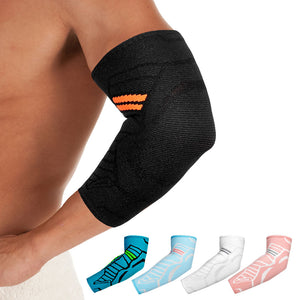
Activity modifications are powerful, but sometimes your elbow needs extra support, especially when you have pain or can't completely avoid a straining activity. This is where a well-designed elbow support or brace comes in.
A brace isn't just for injury recovery; it can be an "activity enabler" in your daily life. It works by:
- Compression: Gently compressing the forearm muscles and tendons, which can reduce vibration and discomfort during movement.
- Support: Providing stability to the elbow joint, helping to limit extreme movements that might aggravate existing conditions.
- Proprioception: Enhancing your body's awareness of the joint's position, encouraging more controlled and protective movements.
For persistent pain, especially from conditions like elbow tendonitis, exploring what the best brace for elbow tendonitis is can be a crucial step. Any support you choose should be comfortable and durable enough for long-term daily wear. After all, if a brace isn't comfortable, you won't wear it, and if it's not durable, it won't last. Understanding elbow brace fitting mistakes is key to maximizing both comfort and effectiveness.

This infographic contrasts everyday elbow strain mistakes with simple corrective postures, empowering readers to make easy, effective changes.
Frequently Asked Questions About Everyday Elbow Pain
Q1: How long does it take for elbow strain from daily activities to heal?
A: Healing time varies greatly depending on the severity of the strain, how long the issue has been present, and your adherence to activity modifications and treatment. Mild strains might improve in a few weeks with proper care, while chronic conditions like tendonitis could take several months. Consistency in prevention and support is key.
Q2: Can computer work really cause serious elbow injury?
A: Yes, prolonged and repetitive computer work, especially with poor ergonomics and technique, can lead to conditions like lateral or medial epicondylitis and cubital tunnel syndrome. While rarely "serious" in the sense of a sudden trauma, these conditions can cause significant chronic pain and functional limitation if left unaddressed. Proactively enhancing workplace safety and comfort with elbow braces can make a big difference.
Q3: Is it okay to "work through" mild elbow discomfort?
A: Mild, temporary muscle soreness is often normal. However, if discomfort persists, worsens, or comes with sharp pain, numbness, tingling, or weakness, it's a sign your body is asking for a change. Ignoring these signals can turn a minor issue into a chronic one. Listen to your body and adjust activities or seek support.
Q4: What's the main difference between "tennis elbow" and "golfer's elbow"?
A: "Tennis elbow" (lateral epicondylitis) causes pain on the outside of the elbow, often from repetitive motions involving wrist extension or rotation away from the body (like using a screwdriver). "Golfer's elbow" (medial epicondylitis) causes pain on the inside of the elbow, typically from repetitive motions involving wrist flexion or gripping towards the body (like carrying a heavy briefcase).
Q5: What features should I look for in an elbow brace for daily use?
A: For daily use, prioritize comfort, durability, and a secure but non-restrictive fit. Look for breathable materials, adjustable straps, and designs that target the specific area of your pain (e.g., a counterforce strap for tendonitis). The goal is support without hindering your ability to do what you need to do. Many people find tennis elbow braces designs particularly effective for this kind of daily strain.
Your Path to Pain-Free Living
Understanding how your daily activities impact your elbow is the first powerful step towards preventing and relieving pain. It’s about being mindful of your movements, making smart adjustments, and knowing when to seek additional support. By changing your habits and recognizing the value of tools like a comfortable, durable elbow support, you can maintain an active, comfortable lifestyle.
Ready to see how the right support can improve your daily comfort? Discover options for a wide range of needs, including a dedicated selection of tennis elbow braces designed to provide targeted relief and support during your everyday tasks.