How Different Dance Styles Affect Ankle Stress
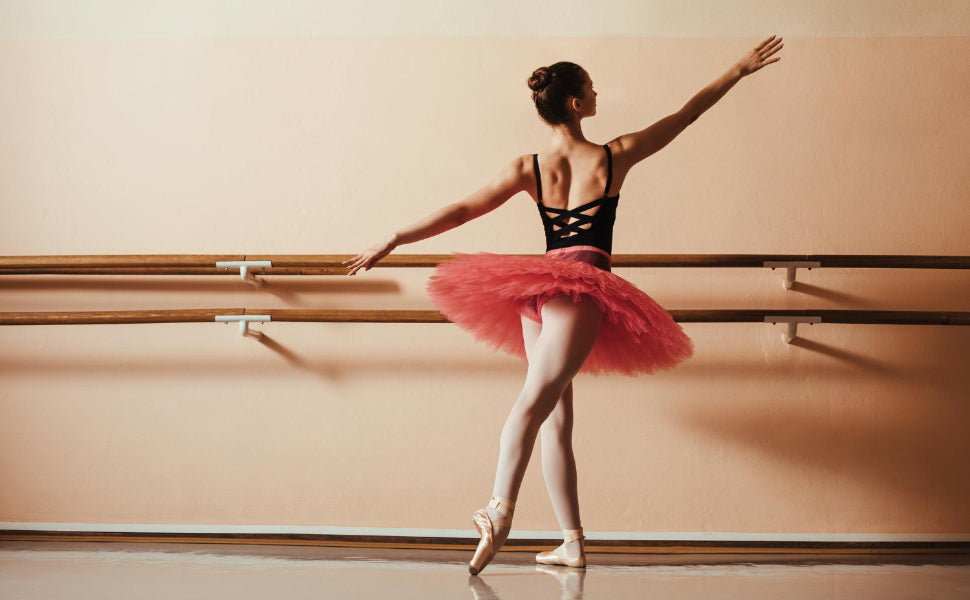
Through the rigors of high-intensity dance—encompassing demanding workshops, outdoor performances, and week-long intensive training camps—dancers from all backgrounds constantly push the limits of their physical capabilities. Yet, this intense schedule of training and performance presents a challenge shared by all dancers: how to push past one's limits while safeguarding the body and avoiding injury.
When we talk about the foundation of dance, we are ultimately talking about the ankle. It is the sophisticated hinge that allows for a soaring grand jeté, a gritty hip-hop groove, or a perfectly balanced pirouette. Yet, not all ankles take the same beating. The stress your joint experiences is entirely dictated by the style of dance you perform. If you've ever wondered why your ankles ache after class, understanding your specific biomechanical demands is the first step to staying healthy on the dance floor.

Anatomy of the Dance Ankle: Why Styles Differ
The human ankle is a marvel of engineering, balancing two competing needs: stability (to support your entire body weight) and mobility (to allow for multidirectional movement). However, different dance techniques force the ankle to prioritize one over the other, creating unique "stress vectors." Let's break down how your favorite styles impact your joints.
Ballet: The Extremes of Plantarflexion and Turnout
Ballet requires an unnatural range of motion. Pushing up onto demi-pointe or full pointe demands extreme plantarflexion (pointing the foot). This constant stretching creates high stress on the posterior (back) tendons of the ankle. Furthermore, forcing turnout from the feet rather than the hips often leads to pronated ankles, where the foot rolls inward, stretching the medial ligaments and throwing off your entire alignment. Ballet dancers require a deep understanding of how to improve ankle dorsiflexion just to balance out the immense time spent pointing their toes.
Hip-Hop: Explosive Jumps and Lateral Cuts
If ballet is about sustained extremes, hip-hop is about explosive dynamics. Hip-hop choreography heavily features lateral (side-to-side) cuts, heavy landings, and quick directional changes in sneakers. This puts immense rotational stress on the lateral ligaments (the outside of the ankle). Hip-hop dancers are highly susceptible to inversion sprains—the classic "rolled ankle." For this style, having a reliable ankle brace to prevent rolling is a common preventative thought, as stability during impact is critical.
Contemporary: Fluidity and Barefoot Demands
Contemporary dance is deceptive. It looks incredibly fluid, but dancing barefoot removes the shock absorption provided by shoes. Contemporary dancers frequently transition from explosive leaps directly into floor work. They need maximum mobility for aesthetic lines, but they also expose the ankle to direct impact with the floor and friction, demanding a delicate balance of subtle joint support without restricting the toes or foot arch.
Tap and Jazz: Percussive Impacts and Weight Shifts
Tap and jazz both require rapid-fire weight shifts. Tap places a unique percussive vibration through the lower leg, while jazz combines the leaping demands of ballet with the grounded, dynamic turns of commercial dance. The rapid transitions from forced arch to flat foot create repetitive stress that can tire out the stabilizing muscles faster than you might realize.
Identify Your Movement Profile: Which Dancer Are You?
You can't properly protect your ankle if you don't know what you're protecting it from. By looking at your primary dance style, you can identify your "Movement Profile." This profile is the secret to knowing exactly what type of ankle support you need.
1. The High-Mobility Profile
- Common Styles: Ballet, Contemporary, Lyrical
- The Vibe: Your artistry depends on unrestricted movement. You need to point your toes fully and articulate through your foot without heavy materials getting in the way.
- The Risk: Tendonitis from overstretching and stress from lack of external arch support.
- Your Need: You need proprioceptive support—gear that gently hugs the joint to increase blood flow and bodily awareness without physically blocking your range of motion. Think sleek compression sleeves.
2. The Dynamic Stability Profile
- Common Styles: Hip-Hop, Breakdancing, Commercial Street
- The Vibe: You are an athlete executing high-impact, explosive movements. Your ankles endure high lateral forces from cutting side to side.
- The Risk: Acute lateral ankle sprains and impact-related micro-traumas.
- Your Need: You need physical boundaries. If you have a history of rolling your ankle on heavy landings, you might even require a reliable ankle brace for chronic instability that features structural stays (side supports) or figure-eight strapping systems.
3. The Hybrid Impact Profile
- Common Styles: Jazz, Tap, Musical Theater
- The Vibe: You do a little bit of everything. You need to jump and land safely, but you also need to execute a clean pirouette.
- The Risk: General overuse fatigue and mild instability from repetitive quick transitions.
- Your Need: A balanced approach. You need moderate support—perhaps a flexible brace with adjustable tension straps so you can tighten it for jumps and loosen it for technical turns.
Matching Your Profile to the Right Gear Features
Understanding the true purpose of ankle support is about realizing that one size does not fit all. Buying the bulkiest, most rigid brace on the market is a mistake if your style demands a high-mobility profile—it will only frustrate your technique and force stress into your knees. Conversely, wearing a paper-thin sleeve while doing heavy hip-hop choreography won't give you the lateral stability you need.
The Brace Feature Matrix for Dancers:
- Compression Sleeves: Best for the High-Mobility Profile. They offer warmth, promote circulation for recovery, and provide slight sensory feedback without limiting your pointe.
- Strap-Based / Figure-8 Braces: Best for the Hybrid Impact Profile. They mimic athletic taping, offering customizable tension that lets you find the sweet spot between flexibility and security.
- Rigid Stays / Lace-up Stabilizers: Best for the Dynamic Stability Profile. When recovering from a severe sprain or doing heavy impact work in sneakers, these prevent the ankle from physically rolling past a safe degree.

Frequently Asked Questions (FAQ)
Q: Can wearing an ankle support weaken my ankles over time?
A: This is a common myth. Wearing support during high-risk activities (like learning complex new choreography or recovering from an injury) protects the joint. As long as you are actively doing strength and conditioning exercises outside of class, a brace serves as a protective tool, not a crutch.
Q: Why do my ankles hurt only on the inside (medial side)?
A: For many dancers, especially in ballet and jazz, this comes from forcing turnout. When you force your feet wider than your hips allow, the arches collapse, and the ankle rolls inward, putting intense strain on the medial ligaments.
Q: How do I choose the best ankle brace for dancers?
A: Start by identifying your movement profile! Decide whether you need maximum mobility (choose a compression sleeve), moderate adjustable support (choose a strap-based brace), or maximum lateral stability (choose a rigid lace-up brace).
Stepping Confidently Into Your Next Routine
As you pack your dance bag for those rigorous summer intensives, take a moment to evaluate how you move. Dance is tough on the body, but suffering through preventable joint stress shouldn't be a badge of honor. By mapping out your specific dance style stresses and identifying your movement profile, you empower yourself to choose the exact support you need to dance stronger, longer, and safer. Listen to your ankles—they carry the weight of your art!