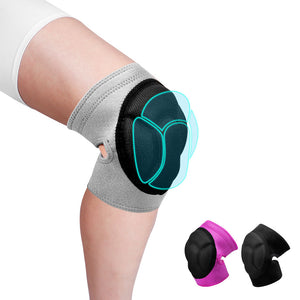
How Compression and Straps Support Elbow Healing
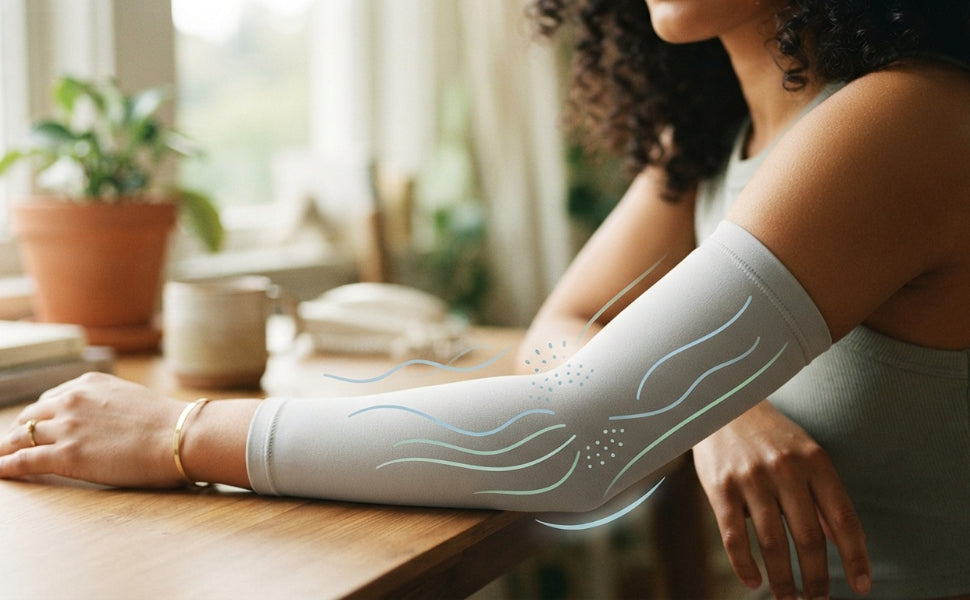
As we gear up for the Fourth of July weekend—a time filled with family softball games, backyard volleyball tournaments, and aggressively pulling weeds to get the garden ready for summer guests—our joints often take the brunt of our enthusiasm. Suddenly, a sharp twinge flares up on the outside of your elbow.
Your first instinct is likely to wrap it, strap it, or brace it. But when you look at the options available, you're faced with an overwhelming array of soft sleeves, narrow bands, and rigid splints. Why do we use them? More importantly, what is actually happening beneath the skin when we put one on?
Most people know that an elbow support can help ease discomfort, but few understand the fascinating physiological mechanisms that make them work. Let’s dive into the science of joint recovery and decode why different supports are recommended for different stages of healing.

The Three Phases of Tissue Healing
To understand how joint supports work, we first have to understand the environment they are supporting. The elbow is a complex intersection of bone, bursa (fluid-filled cushioning sacs), ligaments, and tendons. When injured, these tissues go through three distinct healing phases:
- Acute Inflammation: The body rushes blood and fluid to the area, causing heat, swelling, and pain.
- Repair: The body begins laying down fragile cellular scaffolding—like soft scar tissue—to bridge tears in tendons or ligaments.
- Remodeling: The new tissue is stressed and stretched, becoming stronger and aligning with the body's natural mechanics.
Different brace designs are engineered specifically to assist your body through these varying physiological stages.
Module 1: The Physiology of Compression
When you pull on a soft compression sleeve, it feels instantly soothing. But it isn't just a physical hug; it is actively altering your body's internal fluid dynamics.
During the inflammatory phase, excess interstitial fluid builds up in the soft tissues, causing stiffness. External compression acts like a gentle, constant squeeze on a wet sponge. It increases the internal pressure of the tissue, encouraging that stagnant fluid into the lymphatic system so your body can drain it away. This is why many people ask, is a compression sleeve good for elbow bursitis? Because bursitis involves profound localized swelling, gentle compression is incredibly effective at managing fluid buildup.
Beyond fluid dynamics, compression offers a powerful neurological benefit called proprioception. The pressure from the sleeve stimulates mechanoreceptors—tiny sensory nerve endings in your skin. These receptors send a constant stream of "pressure" signals to your brain. According to the Gate Control Theory of pain, these non-painful pressure signals can literally crowd out and block the "pain" signals traveling along the same neural pathways.
However, you must know how tight should a supportive band feel. If compression is too tight, it stops venous blood flow, trapping fluid in the extremity and worsening swelling. It should feel snug and supportive, never throbbing or restrictive.

Module 2: The Biomechanics of Targeted Straps
Have you ever wondered why does my tennis elbow hurt more when i wake up? Often, it's because the injured tendon has stiffened overnight, and your first morning movements pull aggressively on the inflamed insertion point where the tendon meets the bone.
Enter the targeted strap. Unlike a sleeve, a counterforce brace isn't primarily about fluid drainage. It is about biomechanics and leverage.
By wrapping a firm band an inch or two below the elbow joint, you create a new, temporary attachment point for your forearm muscles. When you grip a tennis racket, a golf club, or a heavy bag of mulch, the muscle contraction pulls against the strap instead of yanking on the damaged tendon at the elbow. This physiological mechanism is called "offloading."
By redistributing the mechanical force, a targeted tennis elbow brace provides immediate pain modulation. It intercepts the muscular force before it can reach the inflamed area, allowing you to stay active during the remodeling phase of recovery without continuously re-injuring the tissue.
Module 3: Cellular Healing and Immobilization
Sometimes, movement is the enemy. While comparing a floor lamp vs wrist brace sounds like an absurd internet search, comparing the physiological impacts of movement versus immobilization is a vital medical conversation.
For severe sprains, post-surgical recovery, or fractures, your body needs to form a highly fragile cellular scaffold. Think of it as a soft callus forming over a bone or delicate new fibers bridging a torn ligament. If you continuously bend and flex the joint, you tear down the scaffolding before it can solidify.
Immobilization splints use rigid stays to lock the joint in place, strictly protecting the repair phase of healing. However, the body operates on a "use it or lose it" principle. Prolonged immobilization can lead to joint stiffness, muscle atrophy, and weakened connective tissue. This is why strict immobilization is almost always a temporary, acute-phase intervention.

Transitioning Your Support Strategy
Healing is a dynamic process, and your support strategy should be too. The universal principles of joint physiology apply across the entire body. Whether you are transitioning away from crutches to a soft ankle support after a lower-body injury, or moving away from a rigid elbow splint, the progression is similar.
You might start with strict immobilization after a major trauma to allow scaffolding to form. As acute pain and profound swelling subside, you transition to a compression sleeve to manage residual fluid and boost proprioceptive confidence. Finally, as you return to your favorite sports, you might utilize a targeted counterforce strap to offload stress from the remodeling tendons.
Frequently Asked Questions About Joint Support
Why might my brace be causing more swelling?
If your support is applied too tightly, it can act like a tourniquet. While arterial blood (pumped by the heart) can still get into the arm, lower-pressure venous blood struggles to get back out. This traps fluid in the limb. Always ensure you can slide a finger comfortably under the edge of your brace.
Can I wear compression sleeves while I sleep?
Generally, light compression can be worn at night to keep joints warm and manage mild swelling, but you should avoid wearing tight, restrictive bands or targeted counterforce straps to bed, as you cannot monitor your circulation while asleep.
Do counterforce straps work for Golfer's Elbow too?
Yes! While Tennis Elbow affects the outside (lateral) tendons of the elbow, Golfer's Elbow affects the inside (medial) tendons. By simply rotating the counterforce strap so the pressure pad rests over the inside of the forearm, you can achieve the exact same offloading biomechanics for the flexor tendons.
Next Steps in Your Recovery Journey
Understanding the "why" behind joint supports empowers you to make smarter decisions about your active lifestyle. You no longer have to guess whether you need compression, offloading, or immobilization—you can listen to what phase of healing your body is currently in.
If you are currently managing joint discomfort and want to explore exactly which type of support matches your specific lifestyle and recovery stage, be sure to explore deeper guides on matching specific gear to your unique physiological needs. Stay active, stay educated, and keep moving forward!