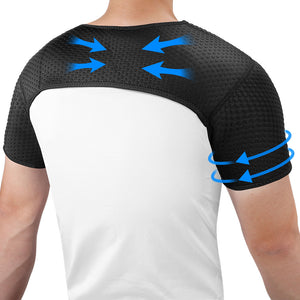
Fix Your Hunchback for Good: Why Metal Rods in a Back Brace are a Game-Changer

You’ve been researching for a while now. You scroll through page after page of posture correctors, and they all start to look the same: a set of soft, elastic straps that promise to pull your shoulders back. They're often called "reminders," and for some people, a gentle nudge is enough.
But what if you need more than just a reminder? What if you're dealing with persistent back pain, a noticeable hunch, or the frustrating effects of conditions like scoliosis or kyphosis? This is where the sea of soft braces falls short and where true structural support becomes essential. You're not just looking for a temporary fix; you're evaluating solutions for long-term correction and genuine relief.
This guide breaks down the critical difference between a simple posture reminder and an engineered structural support system. We'll explore why features like metal rods and strategically designed straps, found in the Fivali FBR03 back brace, deliver a level of correction that soft braces simply can't match.
The Limits of Soft "Reminder" Braces
Most standard posture correctors on the market are designed around a single principle: proprioceptive feedback. In simple terms, they create a slight tension that makes you consciously aware of when you start to slouch. When you round your shoulders, the straps tighten, reminding you to pull them back.
This can be helpful for building initial awareness, but it has significant limitations:
- Passive Support: They don't actively realign your spine. They rely on your muscles to do all the work, which can be difficult if your muscles are already strained or accustomed to poor posture.
- Lack of Force: For more pronounced issues like a forward head posture or thoracic kyphosis (a hunchback), a gentle reminder is not enough to counteract the gravitational and muscular forces pulling your spine out of alignment.
- Inadequate for Specific Conditions: They offer little to no benefit for structural issues like scoliosis, where firm, consistent pressure is needed to support the spine and prevent further curvature.
If you've tried a soft brace and felt it wasn't making a real difference, you're not alone. You’re likely at a point where you need to move from passive reminders to active, structural correction.
The Science of Stability: Why Rigid Support Delivers Real Results
The human spine is a complex structure. Correcting its alignment requires more than just a suggestion. This is where the principles of biomechanics come into play.
Rigid support systems, like those using metal rods, provide a firm, unyielding framework that your spine can align against. This isn't about forcing your body into a position; it's about providing a stable guide for your muscles to retrain themselves into a healthier, neutral posture.
Research shows that this approach yields measurable results. For instance, studies on forward head posture found that rigid bracing can lead to significant improvements—one study noted a 4° improvement in the craniovertebral angle in just four weeks. This kind of tangible change is difficult to achieve with elastic straps alone.
Many people worry that a strong brace will weaken their muscles. However, when used correctly, a structural brace acts like training wheels for your spine. It holds the correct alignment, which reduces strain and allows your core and back muscles to activate and strengthen in the right way, building long-term muscle memory. The effectiveness of posture correctors is highest when they facilitate this active retraining process.
Fivali FBR03 Unpacked: The Engineering Behind True Correction
The Fivali FBR03 was designed to bridge the gap between simple reminders and overly restrictive clinical braces. Its 2-in-1 design isn't just a collection of straps; it's an integrated system engineered for structural change.
The Power of Dual Metal Support Rods
At the core of the FBR03 are two strategically placed metal support rods that run parallel to your spine. These are the brace's backbone—literally.
- Unwavering Stability: Unlike plastic stays or thick fabric, these metal rods don't bend or give way to slouching. They provide consistent, firm support that physically prevents the upper back from rounding.
- Direct Spinal Alignment: The rods guide your thoracic and lumbar spine into a more neutral, upright position. This takes the load off strained muscles and spinal discs, which is a key factor in relieving chronic pain. This powerful feature makes it an ideal back brace with metal rods for those seeking tangible results.
The Advantage of X-Shaped Back Straps
The support rods provide the vertical alignment, while the dynamic X-shaped straps handle the horizontal correction.
- Counteracts Rounded Shoulders: The "X" design creates a tension system that gently but firmly pulls your shoulders backward and downward, opening up your chest and counteracting the forward slump that comes from hours at a desk or on a phone.
- Even Force Distribution: This design ensures the corrective pressure is spread evenly across your back, avoiding the uncomfortable digging under the armpits that many simpler figure-eight braces cause. It works in perfect harmony with the rods to create a comprehensive field of support.

Together, these components create a system that offers far more than a simple unisex posture corrector. They deliver a level of stability and alignment that actively reshapes your posture over time.
FAQ: Your Questions on Structural Back Braces Answered
Q1: Aren't back braces with metal rods stiff and uncomfortable?
While structural support sounds rigid, comfort is a key part of the Fivali FBR03's design. The brace is constructed from lightweight, breathable materials to prevent overheating. It also features strategic padding around the shoulders and underarms to prevent chafing or digging. This ensures you get firm, effective support without sacrificing comfort, making it easy to wear consistently over or under your clothes.
Q2: What really makes a metal brace better than a standard soft posture corrector?
The difference is between a passive reminder and active correction. Soft braces simply create tension to remind you to pull your shoulders back, relying on your own muscle effort. A brace with metal rods, like the FBR03, provides a rigid framework. This structure actively supports and realigns your spine, taking the load off strained muscles and physically preventing you from hunching. It offers true structural change, not just a gentle nudge.
Q3: How long should I wear a structural back brace each day?
Consistency is more important than duration. It's best to start gradually by wearing the brace for 15-30 minutes a day and understand the ideal hours to wear a back brace for posture. As your back and core muscles adapt to the new, correct posture, you can slowly increase the time. The goal is to use the brace as a training tool to build muscle memory, not as a permanent crutch you wear all day.
Q4: Will using a strong back brace make my muscles weaker?
This is a common myth. A structural brace like the Fivali FBR03 is designed to retrain your muscles, not replace them. By holding your spine in the correct alignment, it allows your overworked muscles to relax while encouraging your underused core and back muscles to engage and strengthen properly. It acts like training wheels, guiding you until your own muscles can maintain good posture independently. Finding the best posture corrector is about finding a tool that empowers your body's own strength.
Q5: Can this brace help with a condition like kyphosis (hunchback) or scoliosis?
For mild to moderate postural kyphosis and scoliosis, the FBR03's structural support can be highly beneficial. The metal rods help stabilize the spine and counteract the forces that worsen these conditions due to poor posture, making it a key tool in any lineup of back braces for posture. However, it is not a substitute for medical treatment for severe spinal deformities. If you have a diagnosed condition, it is essential to consult with your doctor to see if this type of brace is right for you.
Making the Right Choice for Your Postural Health
The choice between a soft reminder brace and a structural support brace comes down to your needs. If you're simply looking to build better habits, a soft brace might be a starting point. But if you're seeking to correct long-standing postural issues, alleviate chronic pain, or manage conditions that require real stability, a structurally-engineered solution is the clear winner.

Don't settle for a simple reminder when what you truly need is correction. The Fivali FBR03’s combination of metal rods and X-shaped straps provides the robust support necessary to create lasting change. Explore our full range of solutions for back pain and discover the difference that engineered support can make.
Ready to stop reminding and start correcting? Learn more about the Fivali FBR03 Unisex Back Brace and see how its structural design can help you stand taller and live pain-free.