What Causes Knee Pain During Exercise and Activity Differences
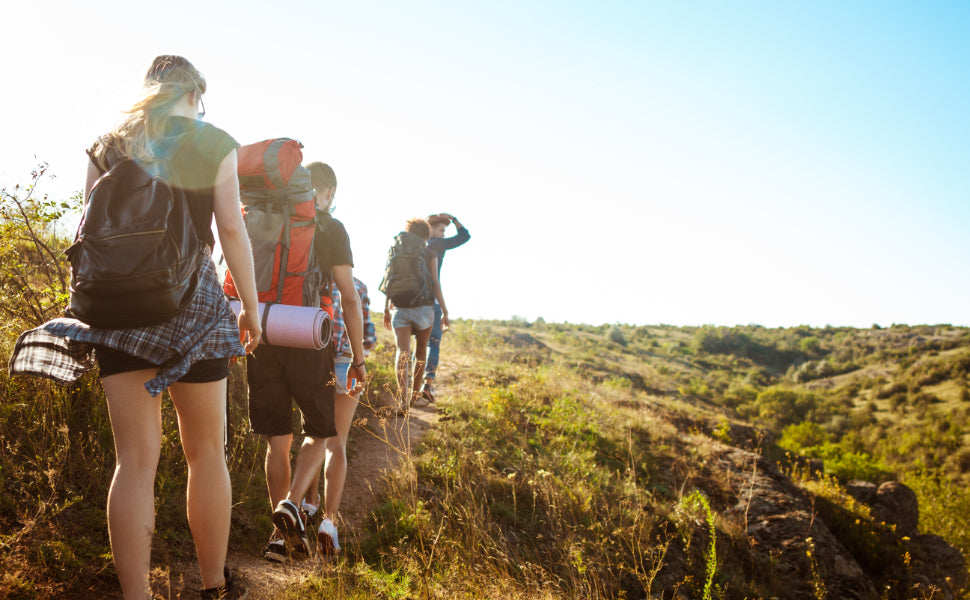
With Memorial Day weekend just around the corner—marking the unofficial kickoff to summer—many of us are transitioning our workouts from the controlled environment of the gym to the unpredictable beauty of the great outdoors. You might be trading the treadmill for the trails, or swapping the squat rack for a steep hiking ascent. But as you change your scenery, you might notice something else changing: how your knees feel.
Have you ever wondered why you can squat heavy weights in the gym without a problem, but a weekend hike leaves your knees aching? Or why cycling feels great, but a quick game of backyard soccer causes sharp discomfort?
The truth is, knee pain isn't a one-size-fits-all problem. The mechanical forces your joints experience vary wildly depending on whether you are working out indoors or navigating outdoor terrain. Understanding this biomechanical showdown is the first step to staying active, pain-free, and knowing exactly what type of support your body needs.
The Amazing (and Vulnerable) Knee Joint: Understanding the Basics
Think of your knee as a highly sophisticated, weight-bearing hinge. It relies on a complex network of bones, cartilage, ligaments, tendons, and muscles working in perfect harmony. When that harmony is disrupted, pain is your body's alarm system.
Before we look at specific activities, we need to understand the four primary mechanical causes of knee pain during exercise:
- Overuse: Repetitive motion that micro-tears tissues over time without adequate recovery.
- Impact: The forceful collision between your foot and the ground, sending shockwaves up into the joint.
- Twist (Torsion): Rotational forces that occur when your foot is planted but your body changes direction.
- Poor Landing: Improper alignment when returning to the ground from a jump or step, placing uneven stress on the joint.

When you understand these core triggers, you begin to see why the pain you feel after an indoor cycling class is fundamentally different from the pain you feel after a rocky trail run.
Gym vs. Wild: A Biomechanical Showdown
Your environment dictates how your knees are loaded. Let’s break down the distinct differences between gym workouts and outdoor activities.

Indoor Impact: How Gym Workouts Load Your Knees
In the gym, you control the variables. The floor is flat, the climate is controlled, and the movements are largely predictable. However, the sheer load and repetitive nature of these exercises present unique challenges.
- Squats & Lunges: These fundamental movements apply immense compressive and shear forces directly to the joint. Because the range of motion is deep and heavily loaded, poor form (like letting your knees cave inward) dramatically increases stress on the kneecap. This is why many lifters seek out the best knee sleeves for squats to provide warmth and gentle compression, enhancing blood flow and joint awareness during these heavy, controlled loads.
- Stationary Cycling: Cycling is incredibly low-impact, making it a favorite for joint health. However, the danger here is overuse from thousands of repetitive flexions. If your seat height is slightly off, it alters how the kneecap tracks, leading to nagging friction pain over time.
- Weightlifting Machines (Leg Press): While machines offer stability, they can force your body into an unnatural, fixed path of motion. If this path doesn't align perfectly with your natural biomechanics, it forces the knee to bear the brunt of the heavy load awkwardly.
Outdoor Elements: The Wild Terrain
Step outside, and the variables multiply. You are no longer just dealing with weight; you are dealing with gravity, uneven terrain, and unpredictable footfalls.
- Trail Running: Unlike a motorized treadmill that pulls the ground beneath you, trail running requires your legs to propel you forward over roots, rocks, and uneven dirt. This creates high-impact forces and subtle twisting motions as your foot constantly adjusts to the terrain. If you've recently transitioned from the gym to the trails, you might be researching what is runners knee, a common condition caused by the repetitive stress and impact of pounding the pavement or trails.
- Hiking (Especially Downhill): Uphill hiking builds muscle, but downhill hiking punishes the knees. Walking downhill requires sustained "eccentric loading"—your thigh muscles are lengthening while under tension to act as brakes. This pushes the kneecap aggressively against the thigh bone. If you've ever stopped to search why does my knee burn halfway down a mountain, this intense patellofemoral pressure is the culprit.
- Cutting Sports (Soccer, Tennis, Basketball): These activities are the ultimate test of knee stability. They involve high torsional (twisting) forces, rapid acceleration, and sudden lateral stops. Planting your foot to change direction while your momentum carries your body forward creates massive stress on the ligaments. These are the exact forces that might send someone looking for a protective knee brace for meniscus tear recovery or prevention.
Tailored Protection: Matching Your Brace to Your Activity
Once you understand that a heavy gym squat causes different mechanical stress than a downhill hike, it becomes clear why generic advice doesn't work. The best knee brace for fitness enthusiasts isn't a single product; it’s the right product matched to the specific demands of the environment.

Here is your "Brace Feature Decoder" to help you understand what to look for based on your activity:
- For the Gym (Squats & Deadlifts): You need proprioception (joint awareness) and warmth. Compression sleeves are ideal here. They keep the joint lubricated and help you feel your knee's position without restricting your deep range of motion.
- For Outdoor Trail Running & Hiking: You need to manage patellar (kneecap) stress from repetitive impact and downhill braking. Look for braces with a patella cutout or targeted silicone gel pads. These act like a steering wheel for your kneecap, keeping it tracking smoothly and making them the best knee brace for pain caused by runner's knee or hiking strain.
- For Cutting Sports (Soccer, Tennis): You need maximum lateral stability to counteract dangerous twisting forces. Hinged braces or braces with strong lateral stabilizers are essential. They act as external ligaments, preventing the joint from buckling sideways, which is why they are often considered the best knee brace for sports that require rapid direction changes.
Activity-Specific Form Adjustments and Prevention
Gear is only half the battle; proper mechanics complete the picture. You can't use gym form on an outdoor trail and expect great results.
In the Gym: Focus on the alignment of your hips, knees, and ankles. During squats and lunges, your knee should track over your second and third toes. Never let your knees collapse inward (valgus collapse).
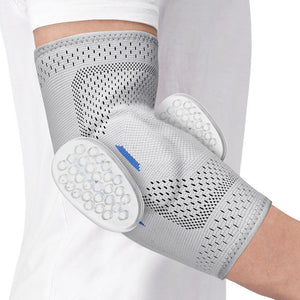
In the Great Outdoors: When hiking downhill, shorten your stride and keep a slight, continuous bend in your knees. Never lock your knees straight upon impact. When playing outdoor sports, focus on staying on the balls of your feet during lateral movements to allow your whole body to pivot, rather than twisting entirely through a planted foot. Furthermore, just as cross-training may require specialized upper-body gear like tennis elbow medical devices for racket sports, your lower body requires environment-specific training. Build up your hip and glute strength, as these muscles are the primary shock absorbers that protect the knee from the wild forces of nature.
Accidents happen outdoors, and knowing what happens when you hit your knee cap really hard on a rock or trail is vital. Acute impact injuries require immediate rest and evaluation, whereas a gradual ache usually points back to the mechanical stressors we've discussed.
Frequently Asked Questions (FAQ)
How do I know the difference between "good pain" (DOMS) and "bad pain" (injury)?
Good pain, known as Delayed Onset Muscle Soreness (DOMS), feels like a dull, widespread ache in the belly of the muscles (like your quads or hamstrings) 24-48 hours after exercise. Bad pain is sharp, localized (often directly inside, under, or on the sides of the knee joint itself), and occurs during the movement. Sharp joint pain is your signal to stop.
Will wearing a knee brace weaken my natural muscles?
This is a common myth. When used correctly during physical activity, knee braces do not weaken your muscles. In fact, by providing stability and reducing pain, a good brace often allows you to maintain proper form and stay active, which actually helps preserve your muscle strength rather than losing it to inactivity.
Should I use ice or heat for knee pain after a workout?
As a general rule, use ice for acute, sharp pain or visible swelling immediately after an activity (like a twisted knee on a trail). Heat is better suited for stiff, achy joints before a workout to increase blood flow and loosen tissues.
Your Next Steps for a Pain-Free Summer
As you gear up for summer adventures, take a moment to evaluate how you are moving. Acknowledge that the transition from gym flooring to mountain trails is a significant shift for your joints.
Listen to your body, focus on strengthening your stabilizing muscles, and equip yourself with the right protective support for your specific activity. By respecting the biomechanical showdown between the gym and the wild, you can ensure your knees carry you comfortably through every squat, sprint, and summit this season.