Choosing the Best Plus Size Knee Brace Compression vs Hinged
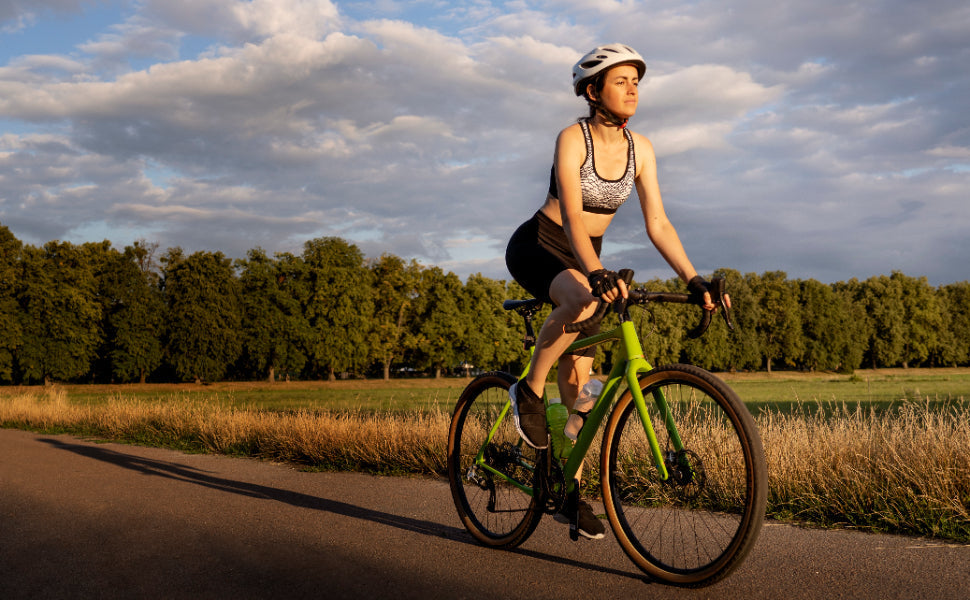
As we head into the peak of the summer season, with major celebrations like the Fourth of July bringing us outside for family barbecues, neighborhood sports, and long vacation hikes, you want to be focused on making memories—not on your knee pain. If you have larger legs, you already know the frustration of standard knee supports. They roll down, pinch your skin, create unsightly bulges under clothing, and ultimately fail to deliver the stability you need to stay active.
You aren't looking for a generic answer; you are actively evaluating solutions that respect your body's unique biomechanics. Research shows that proper fit is the absolute critical factor for plus-size individuals. In fact, clinical studies indicate that 54% of patients wearing a properly fitted, semi-rigid brace report significant pain reduction, and 62% experience improved daily functioning. But those benefits only happen if the brace stays in place.
To help you make a confident decision, we are breaking down everything you need to know about choosing the perfect plus size knee brace. We will compare compression and hinged options side-by-side so you can perfectly match your support to your specific activity and pain levels.
Understanding Knee Brace Support Levels: From Mild to Rigid Protection
Not all knee pain is created equal, and neither is the equipment designed to treat it. When evaluating your options, it helps to view knee support on a spectrum:
- Mild Support: Ideal for minor swelling, daily walking, and preventative care. Usually achieved through a flexible knee compression sleeve that provides warmth and sensory feedback (proprioception).
- Moderate Support: Designed for mild to moderate instability, arthritis pain, and active sports. These feature reinforced materials, targeted compression zones, and sometimes flexible side stays.
- Rigid/Maximum Support: Built for severe instability, ligament recovery, and high-impact activities. These feature structural hinges to mechanically control your knee's range of motion.
The Plus-Size Knee Brace Challenge: Why Standard Doesn't Cut It
The number one complaint among larger individuals regarding joint support is slippage. When you have wider thighs or a distinct taper from thigh to calf, standard tubular braces simply cannot grip properly. As you walk or bend, the material rolls down, turning a support device into a frustrating tourniquet around your upper calf.
Finding the best knee brace for large thighs requires specific engineering: anatomically contoured shapes, premium anti-slip silicone gripping technologies, and breathable fabrics that manage heat retention without causing skin irritation in deeper skin folds.
Compression vs. Hinged: What's the Core Difference?
Before we dive into specific recommendations, let's establish the fundamental mechanical differences between your two primary options.

Benefits of Compression Sleeves for Active Lifestyles and Recovery
If your primary goal is to manage mild arthritis, reduce daily swelling, or get joint warmth during moderate activities like walking the dog or light gym workouts, a compression brace is likely your best starting point.
Compression models—like the Fivali FKR06, FKR01, and FKR04 series—are engineered to deliver what we call Support that Moves with You. Instead of locking the joint in place, they use highly elastic, breathable fabrics to apply uniform pressure across the knee.
Why Fivali Compression Excels for Larger Legs:
- Swelling Reduction: The consistent, graduated pressure helps flush out excess fluid, reducing the throbbing ache commonly felt after a long day of standing.
- Discreet Comfort: Their sleek profile allows them to be worn invisibly under slacks or jeans, making them perfect for all-day office wear or casual summer outings.
- Anatomical Contour: Unlike cheap, straight-tube sleeves, our plus-size compression models feature a wider thigh opening that gently tapers, preventing the dreaded "roll down."
Ideal User Profile: You experience mild, dull aches after activity. You want flexible support for walking, elliptical training, or gardening without feeling restricted.
When a Hinged Knee Brace is Necessary: Advanced Support for Injuries and Instability
If you've ever felt your knee suddenly "give out," or if you suffer from advanced osteoarthritis, meniscus tears, or ligament damage, compression alone won't be enough. You need structural reinforcement. This is where you transition to a hinged option, like the Fivali hinged knee brace (FKH02).
Hinged braces are designed to provide Upgraded Stability. They utilize built-in side hinges (either rigid metal or heavy-duty flexible materials) to physically prevent your knee from hyperextending or shifting from side to side.
Why the Fivali FKH02 is a Game-Changer:
- Mechanical Load Sharing: The hinges bear some of the physical weight and impact of your stride, taking pressure off your damaged cartilage or ligaments.
- Controlled Movement: For intense activities or recovery, it restricts dangerous lateral movements while allowing a natural forward-and-back walking motion.
- Adjustable Fit for Changing Sizes: Many hinged models feature wraparound designs or heavy-duty adjustable straps. If you experience daily fluctuations in leg swelling, you can customize the tension on the fly without removing the brace.
Ideal User Profile: You are recovering from an injury, experience sharp pains, or are engaging in high-impact sports. If you are looking for an acl knee brace for football or durable knee braces for basketball players, a robust structural design is non-negotiable.
The Deciding Factors: Compression vs. Hinged for You
Still unsure which path to take? Use this direct comparison framework to evaluate your specific needs.

1. Assess Your Activity Level
- Low to Moderate (Walking, Yoga, Daily Chores): Compression (FKR series) provides the perfect balance of warmth and unrestricted movement.
- High Impact (Hiking uneven terrain, Tennis, Heavy Lifting): Hinged (FKH02) provides the structural guardrails required to prevent accidental twists.
2. Assess Your Pain Severity
- Preventative / Mild Aches: Compression stimulates blood flow to speed up recovery and soothe dull aches.
- Sharp Pain / Joint Instability: A hinged brace physically unloads the joint space, offering immediate mechanical relief from severe bone-on-bone friction.
3. Consider Your Wardrobe and Wear Time
- All-Day Wear Under Clothes: Compression sleeves win easily for their low profile.
- Targeted Wear Over Clothes: Hinged braces are bulkier but can easily be strapped on over leggings or activewear during a specific sporting event or rigorous hike.
Fivali's Commitment to Plus-Size Fit: Beyond the Standard
Choosing the right type of brace is only half the battle; ensuring it actually fits your body is the other. At Fivali, we don't just "scale up" standard braces. We re-engineer them for the distinct geometry of larger legs.
The secret to learning how to keep knee brace from sliding down lies in accurate measurement. Guessing your size based on your pants size will almost always result in a poor experience. You must measure the circumference of your lower thigh, exactly around the kneecap, and the upper calf. Checking these measurements against a dedicated size chart for knee brace garments ensures that the built-in silicone grips and adjustable straps align perfectly with your anatomy.
Frequently Asked Questions (FAQ)
How do I prevent my plus-size knee brace from sliding down?
Slippage usually occurs due to an incorrect size or poor material design. To prevent it, ensure you measure your thigh and calf accurately. Opt for Fivali braces that feature internal silicone gripping strips and adjustable top straps that allow you to customize the tension specifically for wider thighs.
What's the difference between compression and hinged for everyday use vs. sports?
For everyday use (walking, standing at work), compression sleeves offer breathable, flexible comfort that reduces swelling. For sports (especially those involving sudden stops or uneven terrain), a hinged brace provides essential lateral stability to protect your ligaments from hyperextension.
Are Fivali plus-size braces comfortable for all-day wear?
Yes. Our FKR compression line utilizes moisture-wicking, breathable fabrics designed to prevent sweat buildup and chafing in skin folds, making them highly comfortable for prolonged daily use.
Can I wear Fivali hinged braces under clothing?
While our hinged brace (FKH02) is streamlined compared to bulky clinical alternatives, the structural hinges and straps do add some thickness. It can be worn comfortably under loose-fitting sweatpants or wide-leg trousers, but it will be visible under tight jeans or leggings.
Move Confidently with Your Perfect Match
Knee pain shouldn't dictate your summer itinerary or keep you on the sidelines during family events. By understanding the distinct mechanical differences between compression sleeves and hinged supports, you can take control of your joint health.
If you need flexible, everyday Support that Moves with You, lean toward our premium compression line (FKR06, FKR01, FKR04). If you require robust Upgraded Stability to tackle aggressive trails or recover from an injury, our hinged FKH02 is your trusted partner.
You deserve support that respects your body and enables your active lifestyle. Don't settle for standard sizes that slip and pinch. Take the next step in your evaluation journey and explore the exact features, sizing, and user reviews of our tailored solutions today.