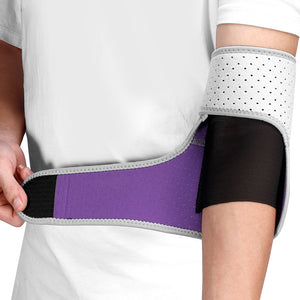
Knee Compression Sleeve
- Black
- Green
- Orange
- Pink
- Black
- Blue
- Green
- Red
- Orange
- Blue
- Dark Blue
- Black
- White
- Red
- Blue
- Black
- Blue
- Green
- Red
- Dark Blue
- Grey
- Black
- Blue
- Pink
- Grey
- Black
- White
- Light Black
- Black
- Light Grey
- Grey
- Magenta
- Black
Do compression knee sleeves help with Knee Pain?
Knee discomfort is a widespread issue that affects individuals from all walks of life. Whether you are a dedicated marathon runner, a weekend fitness enthusiast, or someone who spends most of the day sitting at a desk, dealing with sore and stiff joints can significantly disrupt your daily routine. A common question for those seeking relief is: Do these supportive garments actually alleviate joint distress? Let’s delve into the science, biomechanics, and practical everyday benefits of using a supportive sleeve for your joints.
The Science of Compression and Circulation
At their core, these garments are designed to apply a consistent, gentle pressure around the entire knee joint. This targeted compression plays a crucial role in enhancing local blood circulation. When blood flow improves, the body can more efficiently deliver vital oxygen and nutrients to stressed or damaged tissues, which naturally helps to expedite the recovery process.
Furthermore, the snug fit traps natural body heat. This warming effect soothes stiff ligaments and muscles, making it highly effective at reducing minor swelling and inflammation. For individuals managing chronic joint conditions such as osteoarthritis, or those recovering from minor acute strains, wearing a knee compression sleeve can provide a soothing, non-invasive way to manage daily discomfort and promote tissue repair.
Enhancing Mobility Without Restricting Movement
One of the most significant advantages of this type of joint support is the balance it strikes between stability and flexibility. Unlike rigid braces that lock the joint into a specific position, elastic compression wear provides a supportive embrace without compromising your natural range of motion.
This flexibility makes them an exceptional choice for dynamic physical activities. Whether you are cycling through rugged trails, squatting heavy weights at the gym, hiking steep inclines, or simply going for a brisk neighborhood walk, the sleeve moves seamlessly with your body. By stabilizing the surrounding muscles and ligaments, the garment minimizes micro-vibrations in the tissues, which can reduce muscle fatigue and provide a profound sense of security. Countless active individuals report that this added stability allows them to push through their workouts with renewed confidence and significantly less soreness.
The Power of Proprioception in Injury Prevention
Beyond physical support and thermal benefits, compression wear offers a fascinating neurological advantage known as proprioception. Proprioception is the body’s innate ability to sense its own movement, spatial orientation, and joint positioning.
When a sleeve warmly compresses the skin and underlying tissues around the knee, it constantly stimulates sensory receptors. This continuous sensory feedback heightens the brain's awareness of what the knee is doing at any given moment. With improved spatial awareness, you are much more likely to maintain proper form and alignment during complex or strenuous movements. By naturally helping you correct your posture and adjust your biomechanics on the fly, this enhanced mind-muscle connection serves as a powerful preventative measure against awkward landings, hyperextension, and future injuries.
Managing Daily Wear and Tear
You do not have to be an elite athlete to reap the benefits of joint compression. Everyday tasks—such as climbing stairs, kneeling to garden, or standing on hard surfaces for extended periods—can take a toll on your cartilage and ligaments. Incorporating a supportive sleeve into your daily wardrobe can help reduce repetitive stress on your lower body. The continuous stabilization helps distribute weight and impact forces more evenly across the joint, turning potentially painful daily chores into manageable tasks.
When to Seek Professional Guidance
While there is a wealth of anecdotal evidence and growing biomechanical understanding supporting the effectiveness of compression therapy, it is important to maintain realistic expectations. These garments are excellent tools for providing temporary relief, improving recovery times, and offering physical support. However, they are not a cure-all or a standalone treatment for severe structural damage, such as torn ligaments, severe meniscus tears, or advanced joint degeneration.
If you are experiencing sharp, stabbing pains, severe swelling, or chronic instability that causes the joint to give out, it is crucial to look beyond supportive apparel. Individuals dealing with significant physical limitations should always consult a licensed healthcare professional, physical therapist, or orthopedic specialist. A qualified expert can provide an accurate diagnosis and develop a comprehensive rehabilitation plan tailored specifically to your unique anatomical needs.