How to Select a Back Support Belt for Weightlifting Core Training: A Fivali Guide
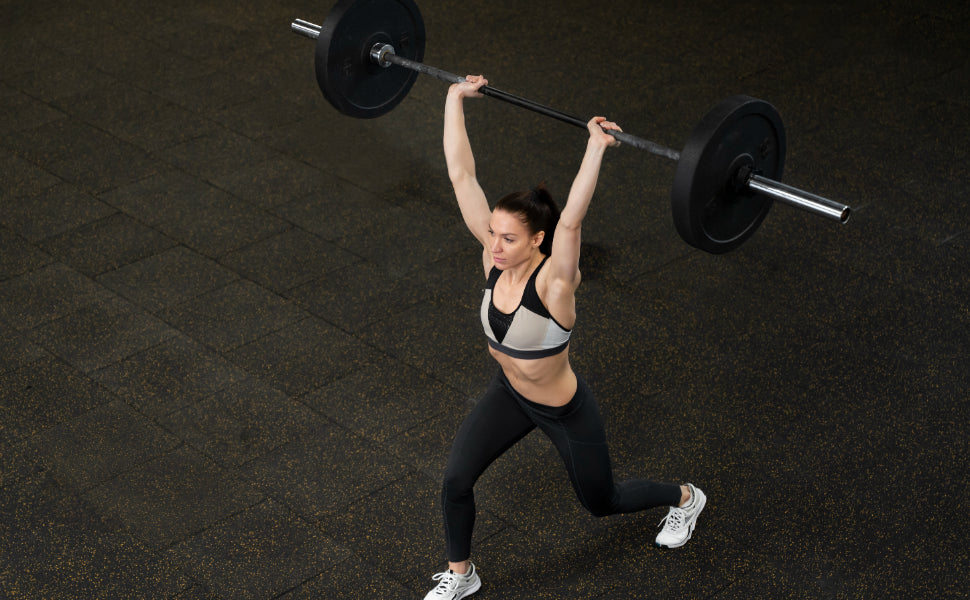
You're pushing for that new personal record on your squat, feeling the familiar strain as you power through the final reps. Or perhaps you're deep into a dynamic core workout, focusing on stability and control. In these critical moments, you’ve likely asked yourself: is my back getting the right support, or am I leaving myself vulnerable to injury?
Choosing a back support belt isn't just about grabbing the first one you see. It's a calculated decision that can directly impact your performance, safety, and confidence. With summer in full swing and goals to hit before those Fourth of July celebrations, the last thing you need is a setback. This guide cuts through the noise. We'll break down the science of support, decode the essential features, and show you how to choose a belt that acts as a true training partner—whether you're lifting heavy or building a rock-solid core.
Understanding Your Goal: Weightlifting vs. Core Training
The right belt depends entirely on your workout. While many belts claim to do it all, the demands of a heavy deadlift are vastly different from those of a plank or Russian twist.
The Weightlifting Focus: Maximum Stability
For heavy compound lifts like squats and deadlifts, the primary goal is to maximize spinal stability. Research shows that 90% of lifters who use a belt do so for injury prevention. A proper belt helps by increasing intra-abdominal pressure (IAP), creating a rigid, supportive cylinder around your midsection. This added stability can help you lift heavier—with some studies showing performance gains of up to 19%—and maintain better form under load.
The Core Training Focus: Dynamic Support
Core training is different. It involves a wider range of motion, including twisting, bending, and holding static positions. A traditional, rigid powerlifting belt would be too restrictive. For these activities, you need an athletic back brace that provides targeted support without hindering movement. It should stabilize your lumbar region while allowing your abdominal and oblique muscles to engage fully and dynamically. This is a crucial gap many brands overlook, as they focus only on the heavy lifter.
The Science of Support: How a Belt Really Works
It’s a common myth that a weightlifting belt acts as a crutch that weakens your core. The science tells a different story. A belt doesn’t replace your core muscles; it gives them a surface to push against.
When you take a deep breath, hold it, and brace your core against the belt (a technique called the Valsalva maneuver), you significantly increase that intra-abdominal pressure. Biomechanical studies confirm that belts can increase IAP by 25-40%. This internal pressure acts like an inflated airbag around your spine, stabilizing your trunk and reducing the compressive forces on your vertebrae during a heavy lift.
Crucially, this process happens without reducing abdominal muscle activation. Your core is still working hard—it's just working more efficiently and safely. Fivali designs belts to optimize this physiological benefit, ensuring maximum stability without compromising muscle engagement.

Decoding Belt Features: A Buyer's Checklist
As you compare options, focus on these four critical elements. Your performance and comfort depend on them.
1. Material & Durability
The material determines a belt's stiffness, support, and lifespan. While traditional leather is known for its rigidity, modern hybrid materials often provide a better balance for overall fitness. Fivali belts utilize robust, high-quality fabrics that offer firm support without the excessive stiffness that can dig into your ribs or hips, making them ideal for a variety of movements.
2. Breathability (The Overlooked Essential)
During an intense session, the last thing you want is a sweat-soaked, uncomfortable belt. Breathability is not a luxury; it's essential for focus and hygiene. Many competitors mention it as an afterthought, but it's a core design principle for Fivali. Our materials are engineered to allow air circulation and wick moisture away to keep you cool and comfortable, rep after rep. This matters most for longer workouts or training in warmer environments.
3. Width & Sizing
A standard 4-inch width is common because it provides enough surface area to brace against. However, the most important factor is finding a belt that fits your torso without impeding movement. This is particularly crucial for athletes who don't fit the standard mold. Recognizing this, Fivali specifically designed the Fivali Plus Size Back Belt Support FBR01, a robust back support belt for lifting that offers extended sizing for larger athletes, ensuring they receive uncompromising support and a comfortable, secure fit.
4. Closure System & Adjustability
You need a closure that is both secure and easy to adjust. Velcro systems, like those used on Fivali belts, offer the best of both worlds. They allow micro-adjustments in tightness between sets—you can cinch it down for a heavy lift and loosen it for a less intense movement—offering versatility that fixed-prong or lever belts can't match.
The Fivali Edge: Engineered for the Modern Athlete
At Fivali, we build solutions for specific athletic needs. Our back supports are not one-size-fits-all; they are purpose-built tools.
-
For the All-Around Fitness Enthusiast: Fivali Back Support Belt FBR04. This is the ultimate versatile belt. It's the perfect back brace for squats, deadlifts, and overhead presses, yet its ergonomic design and breathable materials make it equally effective for demanding core circuits. The FBR04 provides firm, targeted compression to stabilize your lumbar spine while allowing the flexibility needed for dynamic training.
-
For Uncompromising Support at Any Size: Fivali Plus Size Back Belt Support FBR01. We believe every athlete deserves high-performance gear. The FBR01 fills a significant market gap, providing larger lifters with a belt engineered for their frame. It features robust construction, a wide support area, and a highly secure closure system to handle the heaviest loads with confidence and comfort.
A Holistic Approach: Belts are a Tool, Not a Cure
Approach back support with the right mindset. Research shows that while belts are highly effective at increasing performance and stability, they are most beneficial when used as a tool to complement, not replace, proper form and a strong core. Wondering if weightlifting belts help lower back pain? They can, by promoting better mechanics, but they work best as part of a comprehensive strategy. Use your Fivali belt for your heaviest sets (typically above 80% of your one-rep max), and keep focusing on building foundational core strength.

Finding Your Perfect Fit
Using a belt incorrectly can negate its benefits. Follow these simple steps for a perfect fit:
- Measure Correctly: Don't use your pants size. Wrap a flexible measuring tape around your midsection at the navel.
- Position the Belt: Place the belt so it covers your navel. It should sit comfortably between your ribs and your hips.
- Test the Tightness: You should be able to fit your hand flat between the belt and your stomach. It should be tight enough to support you when you brace, but not so tight that it restricts your breathing before the lift.
Ready to find the support that matches your ambition? Explore the complete Fivali back support collection and take the next step toward lifting safer and stronger.
***
Frequently Asked Questions
1. Will using a belt make my core weaker?No. This is a common misconception. When used correctly, a belt encourages you to actively brace your core muscles against it, which can actually help you learn to engage your core more effectively. It supports, but doesn't replace, muscular effort.
2. At what weight should I start using a belt? There's no magic number, but a general guideline is to use a belt for your heaviest sets, typically those at or above 80% of your one-rep max. For warm-ups and lighter sets, focus on bracing your core without the belt to build natural strength. You should also consider a lumbar support belt for general stability.
3. Can I wear a Fivali belt for exercises other than squats and deadlifts? Absolutely. The Fivali FBR04, in particular, is designed for versatility. Its combination of support and flexibility makes it great for overhead presses, bent-over rows, and even strongman-style exercises like farmer's walks.
4. How do I clean and maintain my Fivali belt? Most Fivali belts can be hand-washed with mild soap and water, then air-dried. Avoid machine washing or using high heat, as this can degrade the materials over time. Proper care will ensure your belt remains a reliable training partner for years to come.