Short-Term Fixes vs Preventive Injury Strategies
With Memorial Day weekend rapidly approaching, we are officially kicking off the summer outdoor season. The weather is warming up, the days are getting longer, and whether you’re dusting off your hiking boots, organizing a backyard volleyball tournament, or ramping up your running mileage before a barbecue, your physical activity levels are about to jump.
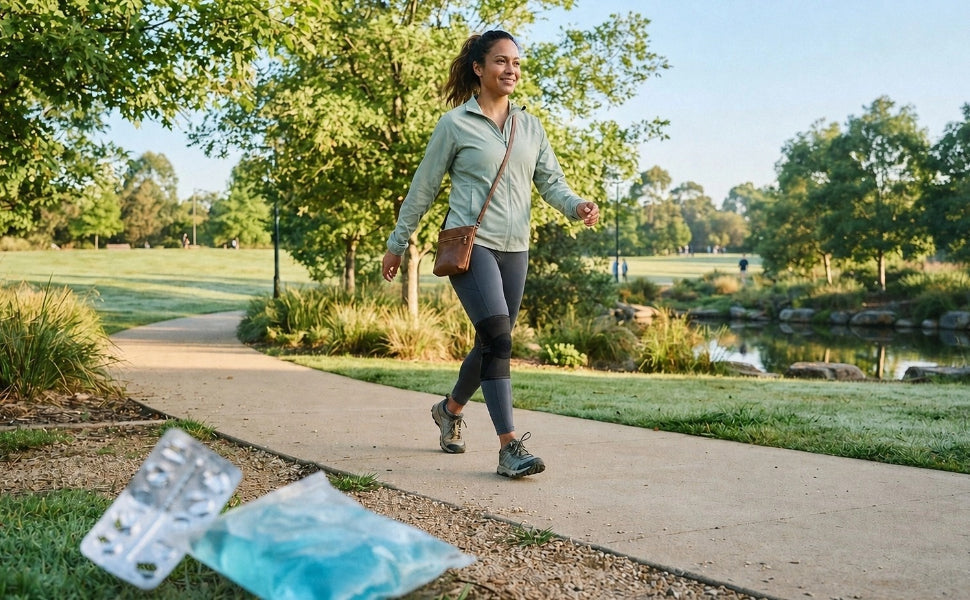
But this sudden, enthusiastic burst of early summer energy often brings an unwelcome guest: unexpected tweaks, sprains, and recurring aches. When that familiar twinge hits your ankle or knee, you likely do what we’ve all been taught to do. You pop a painkiller, grab a bag of frozen peas, and hit the couch.
This symptom-masking routine feels like the right thing to do. But what if the very things we do to "heal" are actually keeping us trapped in a frustrating, expensive cycle of re-injury?

The Hidden Cost of the "Quick Fix" Mentality
Think of painkillers and ice like putting a piece of black tape over your car’s "check engine" light. The red glow is gone, so you keep driving, but the underlying mechanical issue is actively getting worse.
Relying solely on short-term fixes creates a deceptive cycle. A tweaked muscle is numbed by medication and frozen by ice, allowing you to quickly return to your weekend sports. Because the underlying weakness was never addressed, the joint gives out again—this time, a little worse. Over months and years, the compounding financial toll of constant medication repurchases, missed work, and potential medical interventions dramatically eclipses the cost of investing in proactive, preventive care.
Making the smarter financial and health choice means moving away from simply silencing your symptoms and starting to listen to what your body is actually trying to tell you.

Reframing Healing: Why Inflammation is a Friend, Not a Foe
For decades, the standard medical advice for an acute injury was RICE: Rest, Ice, Compression, and Elevation.
However, modern sports science has shifted dramatically. Here is the "aha moment" that changes how most people view recovery: Inflammation is not the enemy; it is the first stage of healing.
When you sprain an ankle on a summer hike, the swelling and heat are signs that your body is rushing white blood cells, nutrients, and oxygen to the damaged tissue to begin repairs. By aggressively applying ice and taking anti-inflammatory painkillers (NSAIDs), you are effectively shutting the gates on your body’s natural repair crew. While this might temporarily ease the pain, it can significantly delay true structural healing.
Enter PEACE & LOVE
Instead of RICE, modern recovery leans toward newer protocols like PEACE & LOVE (Protect, Elevate, Avoid anti-inflammatories, Compress, Educate & Load, Optimism, Vascularization, Exercise). This approach respects the acute phase of an injury while prioritizing early, gentle movement over total, stagnant rest.
Proactive Prevention: Breaking the Cycle
If quick fixes aren't the answer, how do we prevent the same injuries from ruining our active lifestyles? It requires a strategic pivot from reactive care to proactive support.
1. Master Your Biomechanics
Your joints don't operate in isolation. A recurring knee issue is often the result of weak hip stabilizer muscles. By engaging in proprioception training—exercises that challenge your body's awareness in space, like balancing on one leg—you teach your nervous system to react swiftly to uneven ground, preventing the sprain before it happens.
2. Strengthen with Purpose
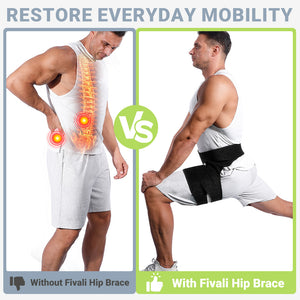
For anyone focused on compression stability patellar tendonitis prevention, the secret lies in eccentric strengthening (controlling the muscle as it lengthens). If you've ever experienced sudden lifting lower back pain, you know that brute strength isn't enough; you need structural stability and core endurance to protect your spine during dynamic movements.
3. Use Supportive Devices Strategically
A common misconception is that wearing braces will cause your muscles to atrophy. The truth depends entirely on how you use them.
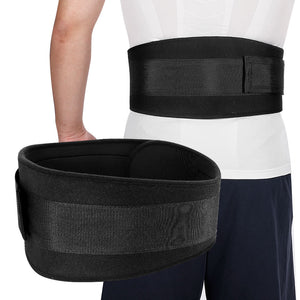
Think of a high-quality brace as scaffolding for a building under construction. It provides a safe environment for the structure to bear weight while the internal foundation is being strengthened. A reliable knee stabilizer or a comfortable tennis elbow brace doesn't just mask pain; they provide the vital proprioceptive feedback your brain needs to move the joint confidently and safely during rehabilitation.
If you're transitioning back into activity and want targeted protection without restricting your natural movement, utilizing a breathable compression ankle brace can bridge the gap between initial injury and full strength.
Common Questions About Injury Prevention (FAQ)
Q: If I have a recurring tweak, should i wear an ankle brace all day?
A: Generally, no. Braces are most effective when worn during the activities that put you at risk (like hiking, running, or playing sports). Wearing them 24/7 during rest periods isn't necessary and can prevent your body from engaging in natural micro-movements. Use them as an active shield, not a permanent cast.
Q: I have pain in my feet after long summer walks. Do I just need to rest, or is there a better way for how to ease arch pain?
A: Complete rest will only weaken the foot further. Easing arch pain is best achieved through a combination of targeted stretching (like rolling your foot over a lacrosse ball), wearing supportive gear during activity, and strengthening the intrinsic muscles of the foot.
Q: When is it okay to use painkillers?
A: Painkillers have their place in the very early, acute stages of a severe injury just to make the pain manageable enough to sleep. However, they should not be used as a pre-workout supplement to help you push through pain during physical activity.

Next Steps: Crafting Your Personalized Prevention Plan
As you gear up for all the outdoor fun this season has to offer, take a moment to evaluate how you manage your body's wear and tear. Are you stuck in a loop of ice, rest, and ibuprofen?
True freedom of movement comes when you transition away from temporary symptom management. Start integrating dynamic warm-ups into your routine, challenge your balance, and most importantly, equip yourself with the right protective support for your specific activities. By combining mindful movement with high-quality, affordable sports braces, you can safeguard your joints, ditch the quick fixes, and enjoy a pain-free, active life all season long.