Foot Arch Pain

Arch pain is a common and often debilitating issue that can affect your ability to stand, walk, and participate in daily activities. The arch of your foot, a complex structure of bones, ligaments, and tendons, is designed to absorb shock and provide stability. When this system is compromised, the resulting discomfort can be significant.
What Causes Pain in the Arch of the Foot?
Several conditions and factors can contribute to arch pain, with some being more common than others. Plantar Fasciitis: The most common cause of arch pain. It involves inflammation of the plantar fascia, a thick band of tissue that runs across the bottom of your foot and connects your heel bone to your toes. The pain is often most intense with the first few steps in the morning or after long periods of rest. The condition can be complex, and many people wonder, Can plantar fasciitis cause ankle pain? Yes, inflammation and gait changes to avoid pain can put additional strain on surrounding structures, including the ankle.
-
Structural Issues: Your foot's natural shape significantly affects how pressure is distributed. Individuals with flat feet, also known as a fallen arch, may experience overpronation, where the foot rolls inward. This can strain the arch's ligaments and tendons. Conversely, very high arches (pes cavus) can also cause issues by placing excessive stress on a smaller area of the foot.
-
Overuse and Strain: A sudden increase in physical activity, such as starting a new running program or working a job that requires prolonged standing on hard surfaces, can overload the muscles and ligaments in your feet. Weight gain can also increase the stress on your arches, leading to pain.
How Severe is Your Arch Pain?
Arch pain can range from a mild, nagging ache to severe, sharp pain that limits mobility. Evaluating your pain level can help determine the best course of action, whether it's simple home care or a visit to a healthcare professional.

Effective Treatment and Relief Strategies
Once you understand the cause, you can begin managing the pain. A multi-faceted approach that combines rest, stretching, and proper support is often most effective.
Immediate At-Home Care (The R.I.C.E. Method)
For acute pain and inflammation, the R.I.C.E. method is a reliable first step:
- Rest: Avoid activities that aggravate the pain. Give your feet a break.
- Ice: Apply an ice pack to the arch for 15-20 minutes several times a day to reduce inflammation.
- Compression: Using a wrap or compression sock can help minimize swelling.
- Elevation: Raise your foot above heart level to help reduce swelling.
Stretching and Exercises
Gentle stretching can relieve tension in the plantar fascia and calf muscles, which are often tight in people with arch pain. Calf stretches, toe curls, and rolling your arch over a tennis ball or frozen water bottle can provide significant relief.
The Role of Support
Proper support is essential for both treating current arch pain and preventing its recurrence.
- Footwear: Choose shoes with good cushioning and strong arch support. Avoid wearing worn-out shoes or footwear that is completely flat.
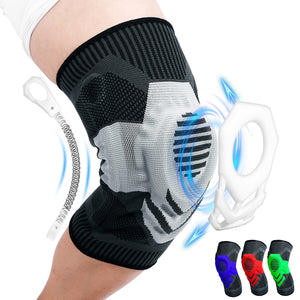
- Bracing and Supports: External supports can provide the stability and alignment your arches need to heal. A combination of ankle and arch support can help control motion and reduce strain. For comprehensive relief that addresses both arch and associated ankle discomfort, exploring options like ankle braces for pain can be highly beneficial. For more focused relief, specialized arch braces for feet are designed to lift the arch and alleviate pressure on the plantar fascia.
When to Consult a Professional
While many cases of arch pain can be managed at home, it's important to seek medical advice if:
- The pain is severe or prevents you from bearing weight on your foot.
- The pain persists for more than a couple of weeks despite home treatment.
- You have numbness or tingling in your foot.
- The pain was caused by a significant injury.
A doctor or physical therapist can diagnose the issue and recommend a comprehensive treatment plan, which may include physical therapy, custom orthotics, or other advanced treatments.
Frequently Asked Questions About Arch Pain
- What are the most common causes of foot arch pain?
- The most common cause is plantar fasciitis, an inflammation of the tissue running along the bottom of your foot. Other significant causes include structural issues like flat feet or high arches, as well as overuse and strain from increased activity or weight gain.
- Can plantar fasciitis cause pain in other areas of the foot?
- Yes, plantar fasciitis can lead to pain in other areas, including the ankle. The inflammation and changes in your walking pattern to avoid pain can put extra stress on surrounding structures.
- What immediate steps can I take at home to relieve arch pain?
- For immediate relief, follow the R.I.C.E. method: Rest, Ice, Compression, and Elevation. Gentle stretching exercises for your calves and plantar fascia, such as toe curls or rolling your foot over a ball, can also help.
- How does proper footwear and support help with arch pain?
- Wearing shoes with good cushioning and strong arch support is crucial. External supports, such as specialized arch braces or ankle and arch support products, can provide stability, control motion, and alleviate pressure on the plantar fascia, aiding healing and preventing recurrence.
- When should I seek professional medical help for my arch pain?
- Consult a professional if your pain is severe, prevents you from putting weight on your foot, persists for more than a couple of weeks despite home treatment, or if you experience numbness or tingling, or if the pain resulted from a significant injury.
-
Posted in
Ankle Injuries