Understanding Tennis Elbow Brace Designs

As we gear up for the active summer season and those long Memorial Day weekend tournaments, the last thing you want is for a nagging elbow injury to sideline your plans. If you are dealing with lateral epicondylitis—commonly known as tennis elbow—you already know the frustration of that sharp, localized pain. But when you start looking for a solution, the sheer variety of brace designs can feel overwhelming.
Should you strap on a targeted band? Slide into a full sleeve? Or opt for something with heavy-duty padding?
Choosing the right design isn't just about picking what looks comfortable; it is about matching the biomechanics of your specific pain points to the correct structural support. This guide will help you evaluate the functional differences between counterforce straps, compression sleeves, and padded supports, empowering you to confidently select the right Fivali brace to keep you active and pain-free.
The Evaluation Challenge: Why Design Matters
When evaluating your options, understanding the root cause of your discomfort is step one. Tennis elbow involves microscopic tears and inflammation in the Extensor Carpi Radialis Brevis (ECRB) tendon, located on the outside of your elbow. Different brace designs interact with this anatomy in entirely different ways.
Selecting the wrong style might offer a psychological comfort, but it won't effectively manage the physical load on your tendon. To help you navigate this, we've broken down our core design philosophies.
Deep Dive: Counterforce Braces for Targeted Tendon Relief
If you experience a sharp, pinpoint pain on the outside of your elbow when gripping a racket, lifting a tool, or even pouring a cup of coffee, a counterforce brace is often the most effective frontline defense.
How It Works Biomechanically
Counterforce straps are designed to alter the origin point of tension. By applying targeted pressure to the forearm muscle belly just below the elbow joint, the brace disperses the muscular force before it can reach the inflamed ECRB tendon. Research indicates that a properly fitted counterforce strap can reduce the force on these vulnerable tendons by 13-15%. This mechanical offloading gives the micro-tears the environment they need to heal while allowing you to maintain your grip strength.
When to Choose Counterforce
- Pain Type: Acute, localized, sharp pain during active gripping or lifting.
- Activity Level: High. Ideal for wearing during the specific activities that aggravate your elbow (e.g., playing tennis, weightlifting, carpentry).
- Fivali Advantage: Fivali’s counterforce designs feature highly adjustable strap mechanisms and targeted gel or EVA pads. This ensures the pressure is distributed exactly where you need it without cutting off overall forearm circulation.

Deep Dive: Compression Sleeves for Broad Support & Recovery
Many active individuals wonder, do compression sleeves help tennis elbow directly? The answer requires nuance. While they don't mechanically offload the tendon the way a counterforce strap does, they play a vital role in joint health, proprioception, and recovery.
How It Works Biomechanically
A high-quality compression sleeve for arm pain utilizes graduated compression to increase blood flow, retain therapeutic warmth, and reduce swelling. This warmth makes the connective tissues more pliable, reducing overall stiffness. Additionally, the snug fit enhances proprioception—your brain's awareness of your arm's position in space—which naturally encourages better movement mechanics and prevents overextension.
When to Choose Compression
- Pain Type: Diffuse, dull ache, general stiffness, or soreness after an activity.
- Activity Level: Moderate to Daily Wear. Excellent for all-day comfort, post-activity recovery, or during activities that don't trigger acute, sharp pain.
- Fivali Advantage: Crafted with breathable, moisture-wicking materials and seamless construction, Fivali compression sleeves are designed for extended wear without chafing or overheating.
If you are torn between these first two options, understanding the tennis elbow brace vs compression sleeve dynamic is crucial: use counterforce for acute mechanical offloading during activity, and compression for broad recovery and warmth.
Deep Dive: Padded Support Braces for Protection & Specific Comfort
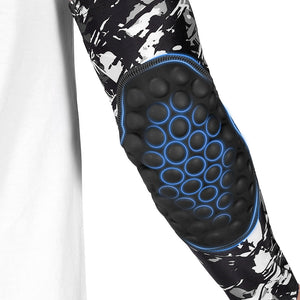
A frequently overlooked category in joint recovery is the padded elbow brace. While often associated with heavy impact sports, multi-density padding serves a highly specialized therapeutic function for elbow health, particularly concerning nerve protection.
How It Works Biomechanically
Beyond absorbing incidental bumps, strategic padding redistributes surface pressure away from bony prominences. This is incredibly important for individuals who experience nerve irritation alongside their tendon pain. The ulnar nerve (responsible for your "funny bone" sensation) runs through the cubital tunnel right at the elbow joint. Resting your elbows on hard surfaces during desk work or experiencing minor impacts during daily activities can aggravate this nerve, complicating your tennis elbow symptoms.
When to Choose Padded Support
- Pain Type: Sensitivity to touch, tingling radiating down the arm, or pain worsened by leaning on the elbow.
- Activity Level: Mixed. Great for occupational hazards (like prolonged desk work) or sports where incidental floor or equipment contact is common.
- Fivali Advantage: Fivali integrates multi-density memory foam and gel padding into breathable support structures. If you are specifically dealing with nerve discomfort, exploring a dedicated ulnar nerve brace with strategic padding can provide the localized cushioning necessary to prevent cubital tunnel flare-ups while supporting the broader joint.

Fivali's Recommendation Matrix: Find Your Perfect Fit
To transition from evaluation to action, here is a simple framework to match your unique needs to our product ecosystem. Every body is different, which is why Fivali offers a comprehensive range of tennis elbow braces in various sizes and adjustable designs.
| Your Primary Pain Point | Ideal Brace Design | Fivali Solution Focus |
|---|---|---|
| Sharp pain when gripping/lifting | Counterforce Strap | Targeted tennis elbow support with adjustable pressure pads to offload the tendon. |
| General achiness, stiffness, or post-game fatigue | Compression Sleeve | Seamless, moisture-wicking fabric for warmth, blood flow, and proprioceptive support. |
| Tingling, nerve pain, or sensitivity to bumps/surfaces | Padded Support | Multi-density padding protecting the ulnar nerve and cushioning bony prominences. |
Frequently Asked Questions
How tight should my Fivali counterforce brace be?
It should be snug enough that you can feel the pressure pad actively pressing into your forearm muscle when you clench your fist, but it should never cause your hand to tingle, throb, or go numb. If you experience any of these, loosen the strap immediately.
What is the rule on tennis elbow brace how long to wear it during the day?
Counterforce straps are active-use tools. Wear them specifically during activities that trigger your pain (like playing sports, typing, or heavy lifting). You should generally take them off during periods of rest. Compression sleeves, conversely, can be worn for longer durations to promote warmth and recovery, though taking breaks to let your skin breathe is always recommended.
Can I wear my brace overnight?
We do not recommend wearing counterforce straps or heavy padded supports overnight, as you run the risk of inadvertently cutting off circulation or compressing a nerve while sleeping. If you need nighttime comfort, a light, properly sized compression sleeve is a safer alternative for gentle warmth.
Why choose Fivali for my elbow recovery?
With 10 years of experience in professional sports protective gear, Fivali bridges the gap between high-quality biomechanical support and everyday affordability. Our mission is to ensure that acute or chronic pain doesn't hold you back from living an active lifestyle. With inclusive sizing, premium breathable materials, and a 30-day guarantee, you can confidently invest in your recovery.
Your Next Steps Toward Pain-Free Movement
Understanding the difference between offloading a tendon with a counterforce strap, warming a joint with a compression sleeve, and protecting a nerve with padded support is the key to successful recovery. You don't have to guess which design works best anymore.
Evaluate your specific pain triggers, match them to the functional designs outlined above, and explore Fivali's extensive collection to find the exact support architecture your body needs to get back in the game this season.