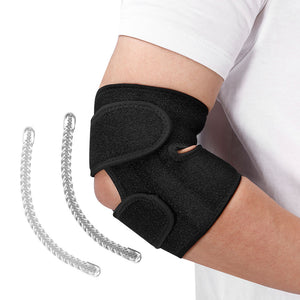
Best Compression Sleeve for Arm Pain
- Black
- Grey
- Blue
- Purple
- Pink
- Black
- Dusty Blue
- Blue
- Pink
- White
- Pink
- White
- Yellow
- Purple
- Black
- Black
- Grey
- Grey
- Black
- Blue
- Grey
- Blue
- Black
- Black
- Blue
Do Compression Sleeves Help Arm Pain?
Arm pain can be incredibly frustrating and disrupt your daily routine, whether you are trying to complete professional tasks, enjoy your favorite hobbies, or simply get a good night's sleep. This discomfort can stem from many factors, including sudden muscle strain, overuse from repetitive motions, arthritis, or common injuries such as sprains and tendinitis. For those seeking reliable, non-invasive relief, compression sleeves have become a popular and effective treatment option.
Understanding how these garments work and what to look for can significantly improve your recovery.
The Science Behind Compression Therapy
Compression garments apply gentle, graduated pressure to affected muscles and joints. This continuous pressure provides several therapeutic benefits:
- Improved Blood Circulation: By gently squeezing the blood vessels, compression helps increase blood flow. This delivers essential oxygen and nutrients to damaged tissues, which can speed healing.
- Reduced Swelling and Inflammation: After an injury or strenuous activity, fluids can build up in the arm. The snug fit of a sleeve helps prevent excessive fluid accumulation, minimizing painful swelling.
- Muscle and Joint Stability: The fabric's supportive nature helps keep muscles and tendons aligned, reducing the micro-vibrations that occur during movement. This lowers the risk of further repetitive strain.
- Thermal Regulation: These garments keep the arm warm, which helps soothe stiff joints and relaxes tight muscles, offering immediate comfort for conditions like arthritis or tendinitis.
Key Factors When Choosing the Right Sleeve
When you decide to add a support garment to your routine, finding the best compression sleeve for arm pain requires careful attention to a few specific product features. Focusing on these elements helps you get the most therapeutic benefit without added discomfort.
1. The Perfect Fit
Fit is arguably the most critical aspect of compression therapy. The sleeve should fit snugly against your skin but must never be too tight. Excessive compression can actually restrict healthy circulation, leading to numbness, tingling, and worsened discomfort. Always measure your arm accurately and consult sizing charts to find a balance between firm support and comfortable wear.
2. High-Quality, Breathable Material
Since these garments are often worn for hours at a time—whether during a workout, at a desk job, or while relaxing at home—the fabric composition matters. Choose a sleeve made from breathable, moisture-wicking materials. This type of fabric draws sweat away from the skin, keeping your arm dry, preventing uncomfortable chafing, and reducing the likelihood of skin irritation during extended wear.
3. Targeted Design and Coverage
Arm pain rarely stays in one highly localized spot; it often radiates up or down the limb. Ensure the sleeve you choose covers the entire area of pain to provide targeted support exactly where you need it. Whether your pain is centered in the elbow joint, forearm, or upper arm muscles, choosing a design that covers your specific tendons and joints is essential.
A Holistic Approach to Arm Pain Management
While a support sleeve can offer immediate comfort and ongoing support, it should be used alongside other proven treatment methods. Relying entirely on one method rarely yields the best long-term results.
To manage arm pain effectively, incorporate the following practices into your daily routine:
- Rest: Give your overworked muscles and tendons time to heal by avoiding the activities that triggered the pain.
- Stretching and Strengthening Exercises: Gentle mobility work can improve your arm's flexibility and build the surrounding muscles, making your arm more resilient against future injuries.
- Ice Therapy: Applying ice packs to the affected area can numb sharp pain and drastically reduce acute inflammation, especially immediately after an injury.
Compression therapy is intended to seamlessly complement these holistic approaches and not replace them. If your arm pain is severe, persists for an extended period, or is accompanied by numbness and weakness, consult a healthcare professional first for a proper diagnosis and a personalized care plan.