Should you wear a brace for tendonitis in your wrist?
As we gear up for Memorial Day weekend—unpacking the heavy grill, tackling ambitious spring yard work, or finally getting back to the tennis courts for the summer—the last thing you want is a sharp, persistent ache in your wrist. Yet, the sudden increase in these repetitive activities is a perfect storm for wrist pain.
When you start experiencing that dull, throbbing ache along the back or thumb-side of your hand, your first instinct might be to reach for a brace. But is wrapping it up always the smartest move?
Tendonitis happens when the thick cords that attach your muscles to your bones become irritated and inflamed, usually from overuse. While bracing is one of the most common interventions, it isn't a magic cure-all. In some cases, leaning too heavily on a support can actually delay your recovery.
Let's dive into the core concepts of this common condition, evaluate your alternatives, and give you a clear roadmap to decide if—and when—bracing is the right next step for your wrist health.
The Foundation: Understanding Your Symptoms
Before wrapping up your wrist, it’s critical to understand what your body is telling you. Understanding your specific wrist tendonitis symptoms helps you match the treatment to the problem.
Typically, tendonitis wrist symptoms show up as:
- Pain that worsens with movement or specific activities (like turning a doorknob or typing)
- A feeling of grinding or grating when you move your joint
- Mild swelling, warmth, or tenderness along the tendon path
- Stiffness, particularly in the morning

The Decision Framework: Bracing vs. The Alternatives
A common trap many active individuals fall into is believing a brace is the first and only line of defense. In reality, a holistic recovery plan requires a balanced approach. Here is how bracing compares to other popular alternative interventions.
1. Rest and Activity Modification
- The Approach: Simply stopping the activity that causes pain.
- Best For: The initial 24-48 hours of acute, sharp pain.
- The Catch: Complete rest isn't realistic for long periods. If your pain comes from typing for your job, you can't simply stop working forever.
2. Ergonomic Adjustments
- The Approach: Changing your environment—like getting a split keyboard, an ergonomic mouse, or altering your grip on a tennis racket.
- Best For: Long-term prevention and mild, nagging pain triggered by specific postures.
- The Catch: It takes time to learn new movement patterns, and it won't provide immediate structural support if the tendon is currently inflamed.
3. Targeted Exercises
- The Approach: Gentle stretching and eccentric strengthening to rebuild tendon capacity.
- Best For: The rehabilitative phase, once initial sharp pain has subsided.
- The Catch: Doing exercises while the tendon is highly inflamed can sometimes make the problem worse.
4. Taping (Kinesiology Tape)
- The Approach: Applying elastic tape to provide sensory feedback and mild support without restricting movement.
- Best For: Athletes or workers who need full range of motion but want a physical reminder to maintain good form.
- The Catch: Tape offers very little mechanical restriction. If your tendon needs absolute rest from bending, tape won't stop you from moving it.

Where Does Bracing Fit In?
If ergonomic changes aren't enough, tape is too flimsy, and complete rest is impossible, bracing becomes a highly reasonable next step. A good brace acts as an external ligament. It takes the load off the inflamed tendon, artificially imposing the rest your body needs while allowing you to go about your day.
The Expected Benefits and Hidden Limitations
If you determine that a tendonitis brace wrist solution is appropriate for you, it helps to know exactly what it will—and won't—do.
The Benefits
- Pain Reduction: By physically preventing the micro-movements that aggravate the tendon, pain levels often drop significantly.
- Activity Modification: A rigid splint physically blocks you from bending your wrist into dangerous angles, enforcing good posture while typing or lifting.
- Protection: It shields the joint from accidental bumps or sudden movements during your commute or while sleeping.
The Limitations (The "Downsides")
- Muscle Reliance: If you wear a rigid brace 24/7 for weeks, your wrist muscles will realize they don't have to work as hard, leading to weakness and stiffness (muscle atrophy).
- Loss of Mobility: Braces are designed to restrict movement, which can make certain daily tasks frustrating.
- The "Masking" Effect: A brace might make your wrist feel so good that you push yourself too hard, re-injuring the tendon beneath the support.
Evaluating and Choosing the Right Brace
Not all braces are created equal. When learning how to choose a wrist brace, you should evaluate options based on three core pillars: Performance, Comfort, and Price.
1. Performance (Support Level)
- Mild Support (Compression Sleeves): Ideal for mild aches, providing warmth and light compression to improve blood flow. Great for transitioning off a rigid brace.
- Moderate Support (Wraps with Straps): Allow adjustable tension. Good for weightlifting or manual labor where you need support but still require some flexibility.
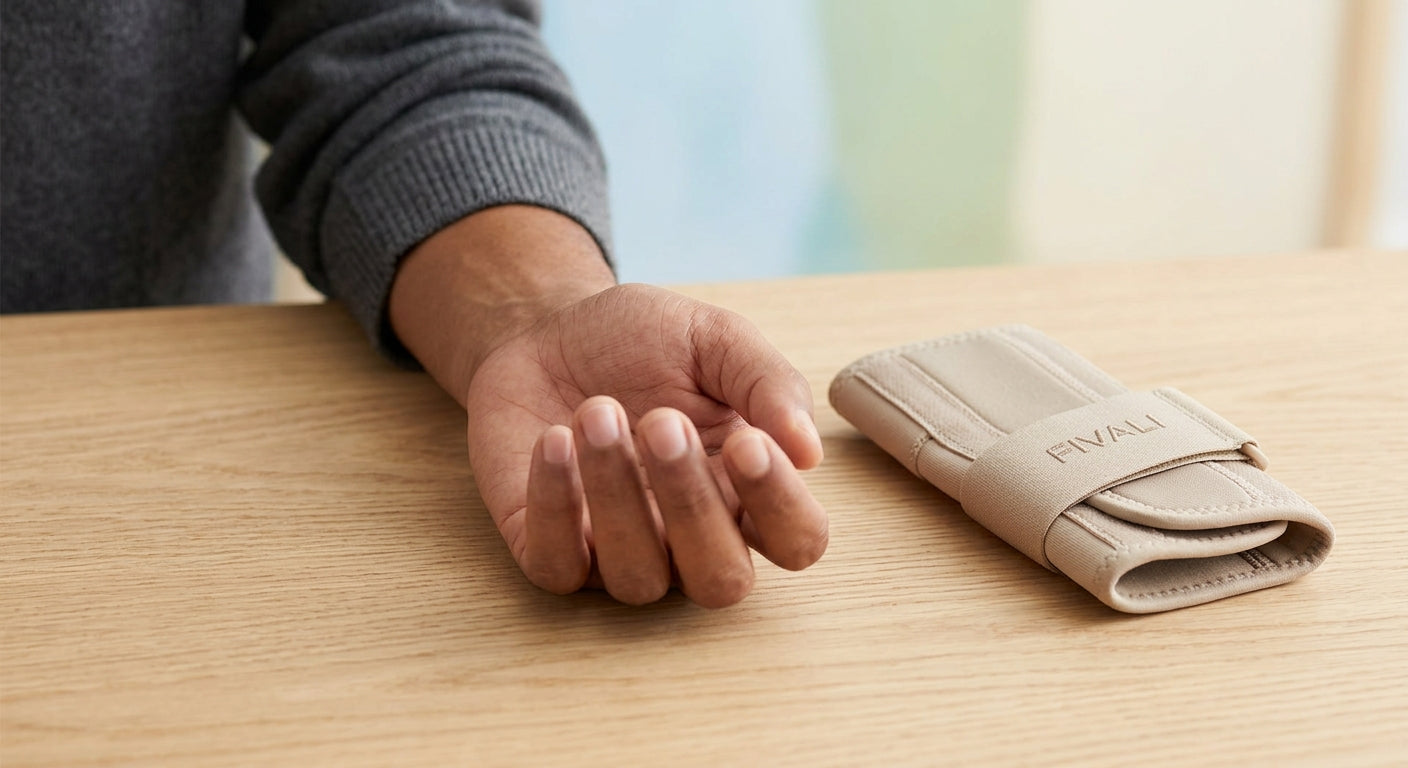
- Maximum Support (Rigid Splints): Feature metal or hard plastic inserts (stays). These are best for acute tendonitis, completely immobilizing the joint to force rest.
2. Comfort (Materials & Fit)
A brace only works if you actually wear it. Look for breathable, moisture-wicking materials (especially crucial as we head into the warm summer months). Check for adjustable velcro straps that accommodate swelling throughout the day without digging into your skin.
3. Price (Value)
You don't need to empty your wallet to find relief, but you should look for durability. Assess whether the seams are reinforced and if the inner splint is removable for easy washing. A well-constructed, affordable brace that you can keep clean and wear comfortably is far superior to a heavily marketed, overpriced option that irritates your skin.

Navigating Common Wrist Bracing Dilemmas (FAQ)
Exactly should i wear a wrist brace for tendonitis all day?
Generally, no. For acute pain, you might wear it for a few days consistently. However, as the pain subsides, you should transition to wearing it only during aggravating activities (like yard work or extended computer use) to prevent muscle weakness.
I wake up with stiff wrists; is it bad to sleep with a thumb brace on?
Many people curl their wrists inward while sleeping, which severely strains the tendons. Wearing a rigid splint at night keeps the joint neutral and is often highly recommended by professionals. It's one of the best times to wear a brace because you aren't active, reducing the risk of muscle reliance.
What if my wrist injury was from a sudden fall, not repetitive overuse?
If you experienced an acute trauma (like catching yourself during a slip), you may be dealing with a sprain rather than tendonitis. While a brace is still helpful, the criteria for the best brace for sprained wrist recovery often leans heavily toward maximum rigid immobilization for the first phase of healing. Always consult a healthcare professional to rule out fractures.
How do I transition off the brace?
Create an "exit strategy." Start by removing the brace during low-impact activities. Progressively introduce gentle, pain-free wrist circles and stretches. Finally, swap your rigid splint for a mild compression sleeve for a few weeks before going completely brace-free.
Your Next Steps for Wrist Health
Finding the best wrist support is about matching your specific lifestyle triggers with the appropriate level of intervention.
If you've tried rest, adjusted your workstation, and icing hasn't kicked the inflammation, a well-chosen brace is a highly effective tool to bridge the gap between pain and recovery. Focus on stabilizing the joint during the activities that hurt the most, wear it at night to promote healing, and always pair bracing with a plan to gently strengthen the wrist once the inflammation dies down.
Ready to take control of your joint health this season? Start by evaluating your daily routines, and when you are ready to explore your options, look for a wrist brace for tendonitis that balances exceptional support with everyday comfort. Your wrists will thank you.