Does Cubital Tunnel Syndrome Go Away on Its Own?
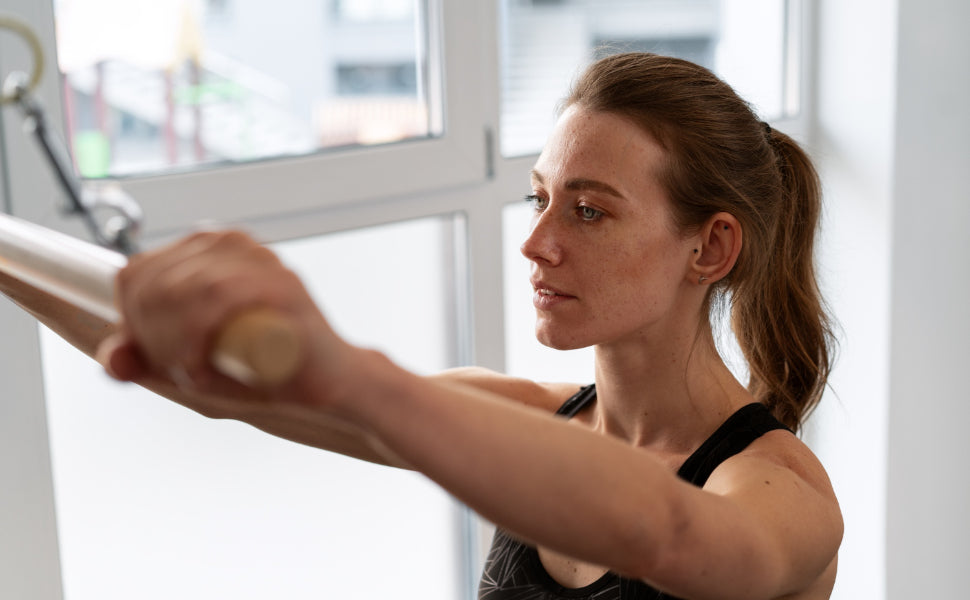
Athletes rely heavily on upper body mobility, forearm strength, and joint stability to execute peak performances. When nerve irritation hits the arm, questions immediately arise regarding natural recovery timelines and non-surgical interventions. Nerve entrapment around the elbow joint creates persistent discomfort, affecting grip strength, micro-movements, and basic training regimens.
Understanding the physiological mechanics of nerve recovery determines whether complete resolution happens naturally or requires structured support. The ulnar nerve passes through a narrow tissue path along the inner elbow. When repetitive bending, direct pressure, or intense athletic strain causes tissue swelling around this groove, the nerve experiences compression. Mild cases caused by sudden overuse may settle down without permanent intervention. However, daily joint movements and sleeping habits often perpetuate nerve irritation, making full self-resolution uncertain without targeted arm stabilization.
Primary Factors Influencing Natural Recovery
Nerve compression pathways react differently depending on joint positioning, lifestyle habits, and structural strain. Evaluating key recovery variables helps athletes make informed adjustments to protect arm function.
Duration and Intensity of Nerve Strain
Early stage nerve irritation generally responds faster to simple daily rest. When symptoms are caught immediately after a heavy training cycle, reducing extreme elbow flexion allows surrounding tissues to cool down. Conversely, long-term nerve compression can lead to chronic tissue thickening, making complete self-healing much less likely without active position management.
Joint Posture During Rest and Sleep
Deep joint flexion increases internal pressure across the inner elbow passageway. Many individuals unknowingly curl their arms tightly while sleeping, placing sustained tension on the nerve for hours. This nocturnal stress interrupts the natural night recovery window, leading to persistent morning stiffness, reduced hand strength, and persistent tingling.
Daily Activity Modifications
Constant repetitive reaching, heavy lifting, or leaning elbows against hard desk surfaces creates continuous mechanical stress. Eliminating direct contact pressure and avoiding sharp elbow angles during work or exercise is vital to preventing nerve entrapment from progressing further.

Non-Surgical Tools for Arm and Joint Stabilization
Targeted joint stabilization devices offer an efficient way to keep upper limb joints in neutral positions. Integrating structured equipment reduces mechanical tension across compromised nerve pathways.
Night Splints and Rigid Stabilizers
Preventing deep joint bending during sleep requires rigid or semi-rigid structural guidance. A specialized night splint keeps the elbow extended at a neutral angle between thirty and forty-five degrees. This neutral resting posture relieves mechanical traction, giving tissues an undisturbed environment to recover.
Wrist and Forearm Support Systems
Nerve branches run down the forearm into the hand, meaning joint stress at the wrist can compound overall arm discomfort. Utilizing a high quality carpel tunnel brace helps maintain neutral alignment in the lower limb during high repetition tasks. Stabilizing the wrist reduces unnecessary muscular strain that travels up the forearm flexor muscle groups.
Using a dedicated wrist stabilizer for carpal tunnel syndrome prevents excessive flexion and extension during daily mousing, typing, or athletic training sessions. Keeping wrist tissues neutral minimizes secondary pressure points, ensuring smoother nerve pathways throughout the upper body. Furthermore, utilizing a targeted wrist brace for numb fingers provides structured compression to relieve strain in peripheral digits during recovery periods.
Brand Innovation in Joint Support
Leading technical manufacturers like Fivali design high-performance support solutions tailored for active individuals needing reliable joint protection. By combining ergonomic paneling with breathable, moisture-wicking materials, Fivali delivers effective structural support without restricting necessary daily function. Their ergonomic gear offers durable compression that fits seamlessly into active recovery schedules.
Practical Daily Strategies to Accelerate Healing
Systematic habits reduce mechanical stress on delicate nerve pathways. Combining daily ergonomic adjustments with supportive gear encourages faster physical resolution.
Desk and Workstation Ergonomics
Arranging computer equipment closer to the body reduces constant arm reaching. Keeping keyboard and mousing tools within short distance prevents prolonged elbow bending. Adjusting chair heights and avoiding hard armrests helps eliminate direct pressure against the inner elbow joint.
Smart Training Adjustments
Athletes should temporarily modify heavy pushing movements, heavy tricep extensions, or extreme arm flexing drills. Swapping out high-friction movements for low-impact conditioning maintains cardiovascular stamina while allowing nerve tissues to rest.
Incorporating a reliable carpel tunnel brace during light training routines protects the wrist from bending, stabilizing the lower arm structure while elbow tissues settle. Pairing this protection with a flexible wrist stabilizer for carpal tunnel syndrome further reduces torque across upper body flexor muscles.
Gentle Nerve Flossing and Stretching
Light gliding movements encourage nerve tissue to move smoothly through surrounding muscle sheaths. Performing gentle forearm stretches without overextending the joint helps restore normal flexibility. Stopping any movement that triggers sharp tingling prevents unwanted flare-ups.
For athletes who wake up with hand stiffness, wearing a wrist brace for numb fingers alongside an elbow splint keeps the arm elongated and relaxed. Utilizing an additional carpel tunnel brace during high-demand daytime activity ensures the wrist stays straight, avoiding cumulative nerve irritation across the upper extremity.

Key Takeaways for Long-Term Joint Health
While mild cases can resolve naturally over time, recovery requires consistent posture awareness, activity management, and proper joint stabilization. Avoiding deep elbow flexion, protecting the arm with specialized supports, and maintaining neutral alignment at the wrist create the optimal environment for complete nerve recovery. Integrating ergonomic support ensures long-term joint mobility, allowing athletes to return safely to full operational performance.
-
Veröffentlicht in
Wrist Injury