What Are the Signs I Need Knee Support?
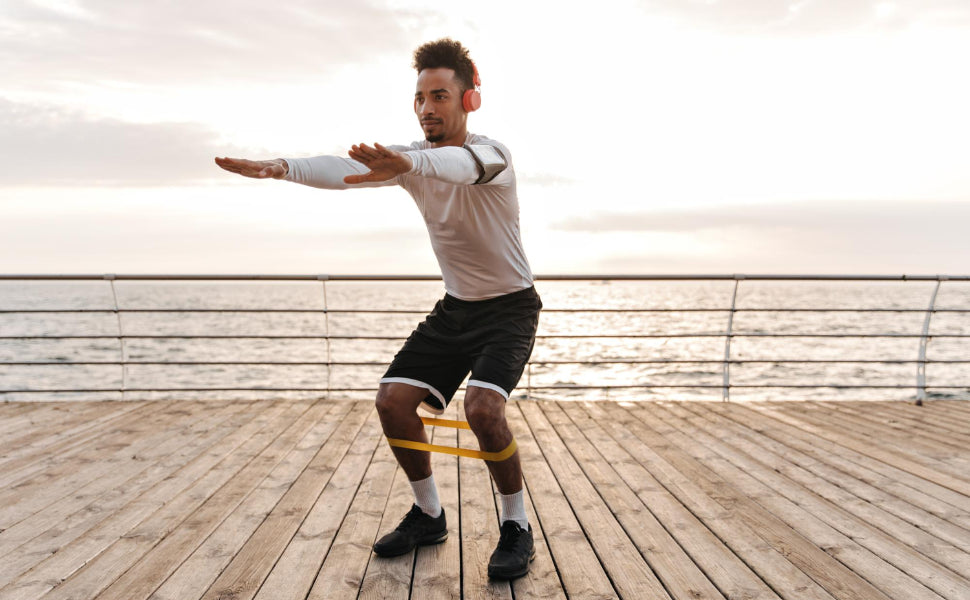
Knee joints absorb massive amounts of impact during daily movement, exercise, and athletic performance. Over time, physical stress, athletic overload, or prior joint issues cause subtle changes in how a knee functions. Recognizing early warning signs helps active individuals protect joint integrity, manage discomfort, and maintain mobility without long interruptions to training routines.
Understanding physical indicators guides decision-making regarding active protection. Modern support gear provides target stabilization for ligaments while maintaining mobility. Choosing the best hinged knee brace offers proper structural alignment when structural weakness or pain occurs during movement.
Physical Indicators of Joint Instability
Joint instability shows up through distinct physical sensations during everyday activities or intense exercise. Catching these signals early helps prevent further stress on critical ligaments.
Frequent Giving Out or Buckling
A primary warning sign is the sensation of the knee giving out, collapsing, or buckling unexpectedly. This instability often points to compromised ligaments, such as the anterior cruciate ligament or medial collateral ligament. When ligaments lack tension, the joint loses structural integrity during weight-bearing movements. Utilizing an adjustable hinged knee brace helps stabilize lateral movement while preventing sudden collapse.
Persistent Pain During Weight-Bearing Activities
Mild discomfort after heavy training is common, but sharp or deep pain during routine weight-bearing actions signals an underlying issue. Pain during squats, lunges, running, or climbing stairs indicates that the knee joint absorbs force unevenly. Joint structures require additional external stabilization to distribute forces safely across the surrounding muscle tissue.
Popping and Grinding Sensations
Audible pops accompanied by sharp discomfort, or continuous grinding feelings known as crepitus, suggest cartilage wear or structural tracking issues. While painless clicking is common, painful popping often indicates meniscus irritation or tracking misalignment. Support equipment reduces friction by tracking the patella correctly throughout its full motion path.
Swelling, Stiffness, and Range of Motion Issues
Inflammatory responses around the knee capsule limit functional mobility. Tracking swelling patterns provides clear clues about joint strain levels.
Recurrent Post-Workout Swelling
Fluid buildup inside the joint capsule after routine exercise indicates local inflammation and mechanical stress. Chronic swelling compromises surrounding muscle activation, leading to rapid quadriceps weakening. Consistent compression and joint tracking limit fluid accumulation and promote steady circulation.
Morning Stiffness and Restricted Flexion
Waking up with persistent stiffness or noticing reduced flexibility during bending indicates restricted joint movement. When full flexion or extension becomes difficult, joint mechanisms are operating under excess stress. Using the best hinged knee brace provides targeted compression that supports circulation while maintaining smooth bending mechanics.
When Physical Demands Increase
Changes in physical activity levels or movement patterns increase stress on knees. Adjusting support strategies according to active demands keeps joint structures protected.
Returning to Sport After Movement Pause
Re-entering high-impact sports after a period of rest exposes unconditioned joints to intense multi-directional forces. Ligaments and tendons require time to rebuild load capacity. External support acts as a temporary framework, mitigating strain while functional strength rebuilds through training.
Increasing Exercise Intensity or Load
Rapid increases in running mileage, weightlifting loads, or plyometric intensity place heavy demands on knee joints. Without gradual adaptation, soft tissues suffer overuse issues. Incorporating a hinged knee brace into heavy training sessions stabilizes lateral movement, protecting joint alignment under peak loads.
- Fivali Top Picks
✧ Plus Size Knee Brace for Sports with Rubber Pad FKH04 – 1 Pack
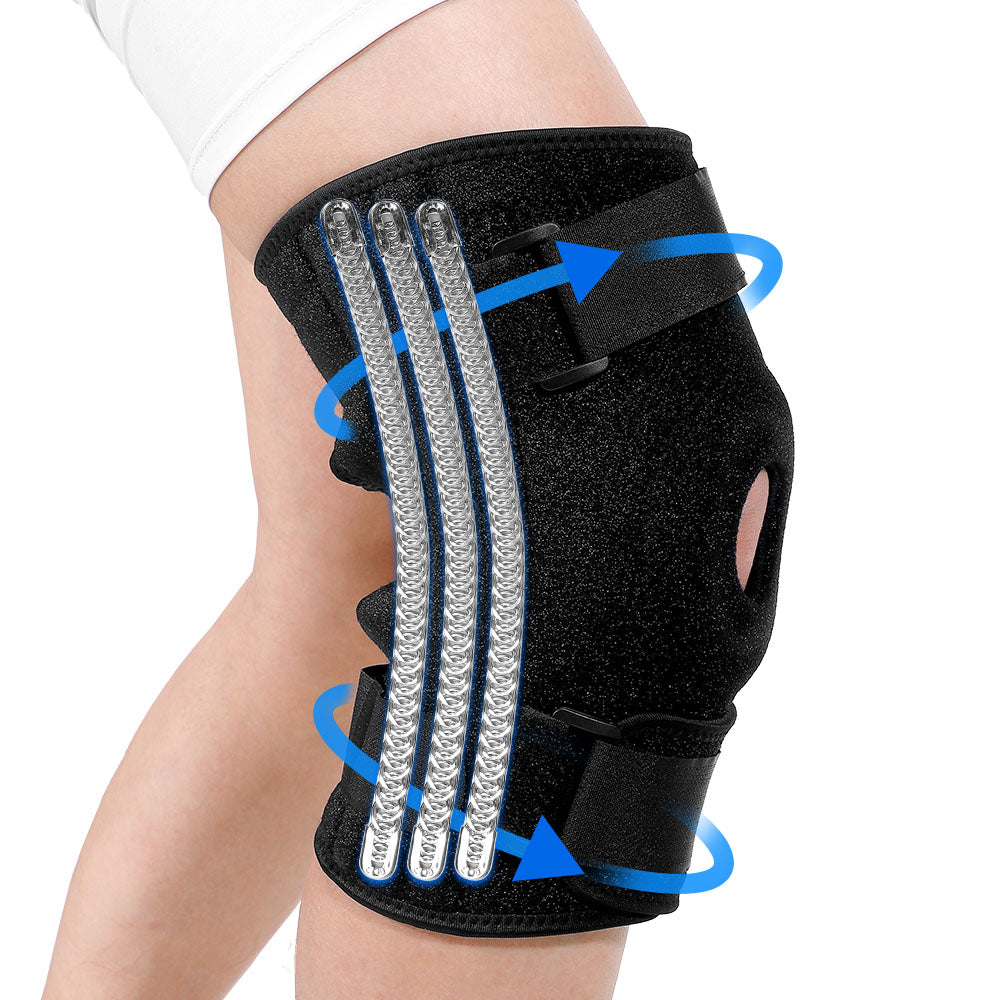
- Triple Metal Springs Stabilizers for Reinforcement
- Plus Size Fit for Obese People, Large Legs
- 3D Breathable Circular Wrapping
- Flexible Velcro Design for Strong Adhesion
- Zero Slip During Lifts, Bends, Walks
Key Benefits of Structured Joint Protection
Modern orthotic supports offer various levels of protection tailored to specific mechanical needs. Understanding how structured braces work ensures proper protection selection.
Lateral Stability and Alignment
Standard compression sleeves offer surface warmth and mild sensory feedback, but structured braces provide rigid lateral support. Side hinges control mechanical tracking, preventing unnatural twisting or lateral movement. Brand options like Fivali design high-performance supports featuring bilateral hinges that control unwanted lateral movement while allowing fluid forward flexion.
Customizable Fit and Controlled Compression
Proper fit ensures optimal joint support without restricting natural blood flow. An adjustable hinged knee brace features durable strap systems, enabling tailored tension adjustments across the thigh and calf. Controlled compression stabilizes soft tissues, mitigates swelling, and enhances proprioceptive spatial awareness during dynamic activities.
Load Redistribution During Impact
Hinged supports transfer weight away from vulnerable internal joint spaces onto strong external frameworks. This load redistribution minimizes peak forces on damaged cartilage and ligaments during heavy impacts, helping active individuals stay mobile without aggravating joint surfaces.
How to Select Proper Joint Protection
Selecting external support involves matching joint needs with activity requirements. Evaluating joint demand ensures long-term comfort and functional utility.
Assessing Activity Levels
High-impact sports involving pivot turns and jump landings require maximum structural protection. Lower-impact activities like walking or cycling require flexible compression options. High-demand movements benefit most from rigid lateral frames that absorb lateral forces.
Evaluating Fit and Material Comfort
Breathable, moisture-wicking fabrics prevent heat buildup and skin irritation during extended wear. Dual-hinge systems should mirror natural knee tracking closely without pinching or binding. Choosing the best hinged knee brace with ergonomic contouring keeps the guard centered securely during explosive athletic movements.
Long-Term Maintenance of Joint Mobility
Integrating proper protection into training routines supports lifelong joint functional health. Proactive knee care combines muscular strengthening, movement awareness, and appropriate external support.
Addressing early warning signs like swelling, buckling, or persistent discomfort prevents minor overuse issues from developing into long-term setbacks. Combining targeted leg conditioning with high-quality hinged support keeps active individuals moving confidently through every workout phase.
-
Veröffentlicht in
Brace, knee, Knee Injuries