Why Do I Feel like I Have Growing Pains as an Adult?
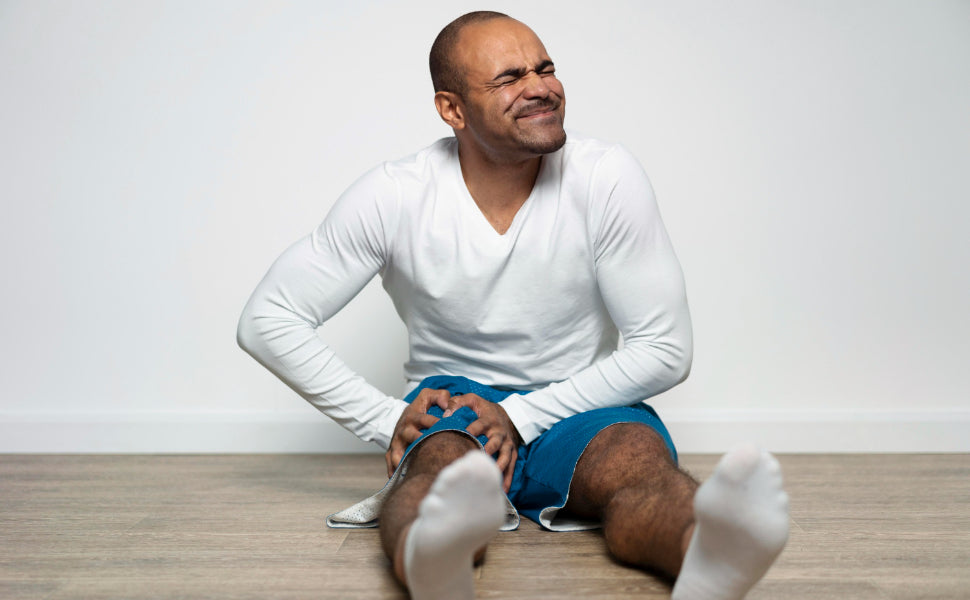
Waking up or lying in bed with a deep, gnawing ache in the legs often feels like an unwelcome flashback to childhood. Since human bones fuse and stop lengthening after puberty, experiencing that exact same dull, throbbing sensation in the calves, shins, or behind the knees as an adult seems paradoxical.
However, what childhood medicine calls growing pains is rarely about bone expansion at all—it is a sensory phenomenon tied to fascia tension, nervous system signaling, and metabolic recovery. Exploring less obvious physiological angles reveals why adult legs recreate this distinct childhood ache and how targeted daily strategies can quiet the discomfort.
The Fascia and Nervous System Connection
Most explanations for adult leg aches focus purely on sore muscles, yet the connective tissue wrapping those muscles and the nerves running through them often tell a deeper story.
Myofascial Restriction and Tissue Dehydration
Surrounding every muscle fiber in the legs is a web-like sheet of connective tissue called fascia. Unlike muscles, fascia has minimal blood supply and relies on rhythmic movement to stay hydrated and pliable. Long stretches of static posture—whether driving, flying, or working at a standing desk without shifting weight—cause fascial layers to stiffen and adhere to underlying muscle. By nighttime, this restricted tissue pulls unevenly around the knees and shins, creating a deep, diffuse ache that mimics childhood growing pains.
Central Sensitization and Circadian Pain Processing
The human nervous system processes sensory signals differently after dark. During the day, external stimuli, movement, and mental focus mask low-level background signals from tired lower-limb tissues. Once the body lies still in a quiet room, cortical inhibition drops, and the brain amplifies minor somatic feedback. Combined with natural evening dips in anti-inflammatory cortisol levels, mild daytime leg fatigue suddenly registers as an intense, throbbing ache.
Kinetic Chain Compensation From the Hips and Feet
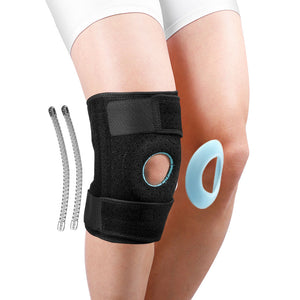
Pain felt around the knees or calves frequently originates elsewhere along the lower-body kinetic chain. Weak hip stabilizers or stiff ankles force the knee joint to absorb rotational torque it was never designed to handle. Utilizing structured knee support for leg pain during demanding walks or repetitive tasks helps keep the patella tracking smoothly and prevents surrounding tendons from bearing uneven mechanical loads.

Hidden Metabolic and Environmental Culprits
Beyond physical strain, subtle shifts in internal chemistry and external surroundings can trigger nocturnal leg throbbing even on days without heavy exercise.
-
Barometric Pressure Drops: Sudden shifts in ambient air pressure before rain or cold fronts cause soft tissues and joint capsules in the lower extremities to expand microscopically, irritating sensitive nerve endings.
-
Subclinical Vitamin D and B12 Insufficiencies: Low levels of vitamin D impair calcium transport within muscle cells, while inadequate B12 slows nerve sheath repair, both of which manifest as deep, lingering bone or muscle aches at night.
-
Evening Vasodilation Cycles: As core body temperature drops to initiate sleep, blood vessels in the extremities dilate to release heat, creating a temporary sensation of fullness, warmth, and dull throbbing in the calves.
Stress Hormones and Emotional Tension Held in the Legs
Chronic psychological stress leaves a distinct physical footprint in the lower extremities. When the sympathetic nervous system stays locked in a low-grade fight-or-flight state throughout a demanding workday, skeletal muscles maintain subtle, unconscious readiness—especially in the thighs, hip flexors, and calves.
Even while sitting at a desk, micro-contractions keep muscle fibers partially engaged for hours without full release. Once the mind finally winds down in bed, the sudden drop in adrenaline exposes this accumulated neuromuscular fatigue, producing a heavy, restless ache that radiates down the legs. Paired with shallow daytime breathing that limits optimal oxygen delivery to peripheral tissues, mental stress quietly sets the stage for evening leg discomfort.
Movement Micro-Dosing vs. Traditional Stretching
Static stretching before bed often provides only temporary relief because tight muscles quickly rebound once sleep begins. Changing how the lower body moves throughout the day yields far better results.
Eccentric Loading for Tendon Resilience
Slow, controlled lengthening movements—known as eccentric exercises—remodel collagen fibers in the calves and quadriceps far more effectively than passive stretching. Performing slow heel drops off a step or controlled wall sits signals tendons to release chronic tension and improves load tolerance.
Strategic Joint Stabilization During Fatigue
When lower-body muscles begin to fatigue late in the afternoon, form deteriorates and joint stress spikes. Wearing breathable knee support for leg pain during evening errands or workouts provides proprioceptive feedback—helping the brain sense joint position accurately and reducing unnecessary muscle guarding. Brands like Fivali engineer lightweight, anatomical sleeves that deliver gentle compression without restricting natural range of motion.
Footwear Geometry and Modern Walking Surfaces
Human legs evolved to navigate uneven, yielding terrain like soil, grass, and sand, where every step naturally varies joint angles and distributes impact across dozens of small stabilizing muscles. Modern life confines the feet inside rigid shoes on flat concrete, tile, and hardwood floors.
This repetitive, identical impact forces the exact same strip of cartilage, tendon, and periosteum—the sensitive membrane covering the shinbone—to absorb shock thousands of times a day. Over time, minor heel-to-toe drop imbalances in everyday sneakers or worn-out cushioning alter stride mechanics, placing low-grade traction stress on the shinbone membrane that closely replicates the deep bone-level ache of childhood growing pains.
Optimizing the Sleep Environment for Lower-Limb Recovery
How the legs are positioned and thermoregulated during sleep directly influences whether nocturnal aches fade or intensify overnight.
- Neutral Pelvic and Knee Alignment: Side sleepers often let the top leg drop forward, twisting the hip and pulling on the outer knee and shin all night; placing a firm pillow between the knees keeps the femur aligned with the pelvis.
- Gradual Evening Decompression: Spending five minutes lying on the floor with calves resting on a couch cushion—forming a ninety-degree angle at the hips and knees—drains pooled lymphatic fluid far faster than a standard bed pillow.
- Consistent Pre-Sleep Mineral Replenishment: Sipping tart cherry juice or magnesium-rich mineral water an hour before bed provides natural anti-inflammatory polyphenols and supports smooth muscle relaxation.

Differentiating Benign Aches From Deeper Systemic Signals
Tracking patterns over two to three weeks helps separate harmless mechanical or circadian aches from issues that benefit from clinical testing. Benign adult growing pains almost always shift sides or affect both legs evenly, whereas pain locked strictly into one specific spot warrants closer investigation.
Similarly, aches driven by fascia stiffness or circulation sluggishness typically ease within ten minutes of light walking, while structural injuries or vascular blockages tend to worsen with activity. Mild tissue fatigue also fades within fifteen minutes of waking up, whereas inflammatory joint conditions often cause stiffness lasting over an hour.
Reclaiming Restful Nights Through Smarter Lower-Body Care
Adult growing pains are best viewed as a communication loop between overworked connective tissues, circadian shifts, and daily movement habits. By addressing fascial hydration, refining kinetic alignment, optimizing sleep posture, and using reliable knee support for leg pain when physical demands peak, it becomes much easier to quiet those late-night signals and wake up with energized, pain-free legs.