Anti Sprain Protection with the Fivali Ankle Support Brace
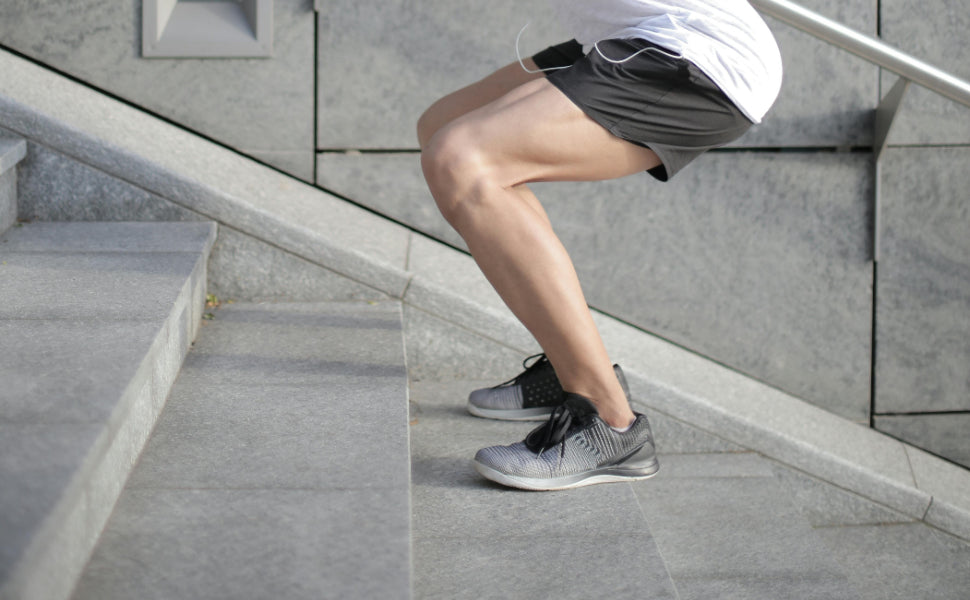
The human ankle is a complex engineering marvel, responsible for bearing body weight, absorbing shock, and facilitating rapid changes of direction. However, this high level of mobility makes it inherently vulnerable to injury. Among sports injuries, the lateral ankle sprain reigns as the most frequent musculoskeletal trauma encountered by athletes. A sudden roll, an awkward landing, or an unexpected step on an opponent's foot can instantaneously stretch or tear the stabilizing ligaments, leading to weeks or months of debilitating recovery. For high-performance individuals, particularly NCAA athletes who push their physical limits daily, an ankle injury does not just mean physical pain—it threatens competitive standing, athletic scholarships, and long-term joint health.
Preventing these injuries requires more than just luck; it demands proactive biomedical support. This is where advanced orthopedic engineering becomes an essential component of an athlete's gear. Investing in a reliable brace can mean the difference between a championship season and an extended period on the sidelines. Fivali, a trusted brand recognized for its high-quality orthopedic products, offers a sophisticated solution with an advanced stabilizer. This comprehensive analysis explores the exceptional engineering features of the Fivali Ankle Support Brace for sprain, shedding light on how strategic bracing provides unmatched stability, biomechanical control, and structural protection without compromising athletic agility.
The Biomechanics of Ankle Sprains in High-Impact Sports
To appreciate the value of advanced bracing, the underlying mechanics of joint trauma must be understood. The vast majority of ankle sprains are inversion injuries, occurring when the foot rolls inward under the weight of the body. This action places immense tensile stress on the lateral ligament complex, primarily the anterior talofibular ligament (ATFL) and the calcaneofibular ligament (CFL).
In competitive environments like NCAA basketball, volleyball, soccer, and football, the risks are exponentially higher due to specific game dynamics:
-
Explosive Lateral Cutting: Rapid shifts in direction require the ankle to sustain forces several times the athlete's body weight.
-
Vertical Landing Mechanics: Jumping to rebound or spike a ball often results in landing on uneven surfaces, such as another player's foot.
-
Fatigue-Induced Instability: As muscles tire during the later stages of a match, neuromuscular control degrades, leaving the ligaments fully responsible for joint integrity.
Without external stabilization, a micro-tear from a minor twist can quickly evolve into chronic ankle instability (CAI), a condition marked by recurrent sprains and early-onset osteoarthritis. Utilizing a specialized ankle support brace for sprain mitigation acts as a secondary line of defense, reinforcing weak structures and limiting dangerous ranges of motion.
Innovative Spring Support on Both Sides
Dual-Lateral Kinetic Stabilization
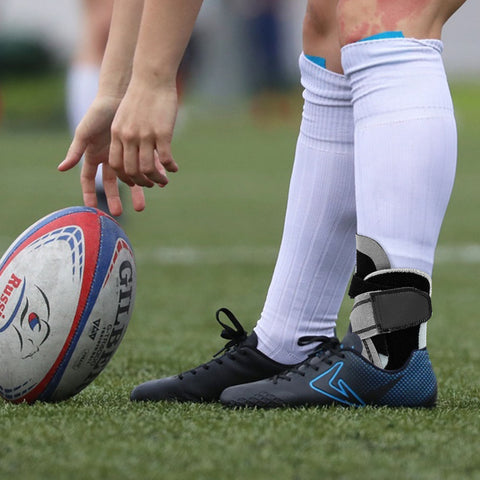
The hallmark feature of this stabilizing brace is the inclusion of innovative spring supports integrated symmetrically along both sides of the ankle joint. Traditional braces often rely on rigid plastic stays or completely flexible fabric, both of which present distinct disadvantages. Rigid plastics can severely restrict necessary plantarflexion and dorsiflexion, hindering running speed and vertical leap, while pure fabric sleeves lack the structural integrity required to resist sudden inversion forces.
The dual-spring architecture solves this dilemma through dynamic resistance. These specialized springs are calibrated to mirror the natural movement of the tendons while providing a firm physical barrier against over-inversion and eversion.
Benefits for High-Intensity Athletes
Whether an athlete is engaged in grueling daily training sessions or competing under the high-pressure lights of NCAA matches, this design ensures that the ankle joint remains structurally protected and secure.
| Feature Component | Biomechanical Function | Athletic Benefit |
| Symmetric Spring Stays | Resists sudden lateral rolling forces | Prevents ATFL and CFL ligament tears |
| Dynamic Flexibility | Allows smooth forward and backward motion | Preserves natural running and jumping gaits |
| Low-Profile Integration | Fits anatomical contours without bulk | Prevents chafing inside athletic footwear |
By incorporating this advanced mechanical feature, the brace allows athletes to experience peace of mind, freeing mental focus from the fear of reinjury so they can channel full concentration into peak performance.
Durable Construction for Long-Lasting Performance
Premium Materials and Structural Integrity
Athletic equipment subjected to the demands of elite sports undergoes extreme stress. The combination of sweat, friction, rapid tension changes, and constant flexing will rapidly degrade inferior products. A brace that loses its elasticity or structural tension after a few weeks of use fails to provide the necessary medical-grade protection required to avert injuries.
The Fivali Ankle Support Brace is manufactured utilizing premium-grade synthetic composites renowned for high tensile strength and resilience. Coupled with reinforced, double-layered stitching along high-stress seams, the brace resists tearing, stretching out of shape, and structural fatigue.
Engineered for Elite Demands
This heavy-duty construction ensures the product withstands rigorous, daily use, making it an ideal choice for collegiate competitors and weekend warriors alike who demand consistency from their gear.
-
Moisture-Wicking Technology: The fabric actively repels sweat, preventing material degradation and weight gain from moisture absorption.
-
Breathable Matrix: Airflow channels within the material prevent heat buildup, reducing skin irritation during prolonged wear.
-
Tensile Retention: The fibers are engineered to retain their original compressive force even after hundreds of hours of high-impact compression cycles.
Investing in a well-constructed ankle support brace for sprain protection ensures reliable, long-lasting performance throughout a grueling multi-month sports season and beyond.
Secure Adhesion for Enhanced Performance
Elimination of Migration and Slippage
A common flaw in standard athletic bracing is migration—the tendency of the brace to slide down, shift, or loosen during explosive movements. When a brace shifts even a fraction of an inch, the anatomical alignment is compromised, rendering the protective features ineffective and creating dangerous distractions for the athlete.
The secure adhesion system incorporated into this design sets it apart from conventional alternatives. Utilizing a multi-point strapping matrix and high-grade, industrial-strength fastening enclosures, the brace establishes a secure bond with the lower leg and foot. This system evenly distributes compression across the soft tissues, preventing localized pressure points while ensuring the internal supportive elements remain perfectly aligned with the medial and lateral malleoli (the ankle bones).
Boosting On-Field Confidence
This precise fit does more than just keep the brace in position; it actively enhances on-field performance. By maintaining constant, firm contact with the skin, the brace improves proprioception—the body's ability to sense movement, action, and location. Enhanced proprioception allows for faster neuromuscular reaction times, enabling an athlete's muscles to fire more efficiently to self-correct during a misstep. NCAA athletes can push their physical limits with total confidence, secure in the knowledge that their equipment offers unwavering, stable support through every cut, jump, and sprint.
Comprehensive Structural Comparison
When choosing appropriate protective gear, analyzing the functional differences between various market options clarifies why specific design elements excel.
| Protective Attribute | Standard Elastic Sleeves | Rigid Plastic Braces | Fivali Ankle Support Brace |
| Inversion Prevention | Minimal; fabric stretches too easily | High; but severely limits overall agility | High; provided by dual spring stabilizers |
| Comfort & Fit | High; but lacks structural safety | Low; causes pressure points and blisters | High; anatomical cut with secure adhesion |
| Durability Level | Low; loses elasticity quickly | Medium; plastic hinges can crack | High; premium materials & reinforced seams |
| Proprioceptive Input | Moderate | Low; due to excessive rigid immobilization | Excellent; continuous compression matrix |
Ultimate Strategic Defense for Elite Competitors
Minimizing the risk of structural joint damage is an essential priority for any serious athlete, particularly those navigating the intense physical demands of collegiate leagues. The Fivali Ankle Support Brace serves as an exceptional defense against debilitating lateral tears, delivering an optimal balance of structural stability, comfort, and physical protection. Through the integration of dual-lateral spring supports, an ultra-durable material chassis, and a non-slip secure adhesion system, this brace ensures that the vulnerable structures of the foot and lower leg remain locked in safe alignment during the most demanding physical activities.
Physical limitations should never dictate an athlete's potential or cut a promising career short. Relying on advanced orthopedic engineering allows competitors to step onto the court or field with the assurance that their joints are protected against unexpected impacts and rolling forces. Exploring specialized bracing solutions offers an effective pathway to experiencing a definitive upgrade in defensive safety, physical longevity, and overall athletic confidence.
-
Veröffentlicht in
Healthy Lifestyle, Joint, Pain, sports