What is the best shoulder brace for shoulder arthritis?

The weekend is just around the corner, marking the official kickoff to winter. For many, this means setting up patio furniture, tending to the garden, or firing up the grill for a family barbecue. But if you are living with shoulder arthritis, the prospect of these seasonal activities might bring a familiar twinge of dread. When reaching for a top-shelf burger bun or swinging a badminton racket feels like a monumental task, finding the right support becomes a top priority.
As you search for solutions to manage this discomfort, you will inevitably encounter a heated debate. Some experts recommend supportive wearables, while others caution against them. This leaves many people wondering: do shoulder braces work for arthritis, or do they just cause more problems?
To answer that question, we have to look past generic advice and understand exactly what an arthritic joint needs.

The Great Shoulder Brace Debate: Support vs. Stiffness
The controversy surrounding shoulder braces and arthritis typically stems from a misunderstanding of what a modern brace is designed to do.
Historically, many joint supports were designed for acute injuries—like dislocations or severe sprains—where the primary goal was strict immobilization. If you take a joint that is already stiff from arthritis and lock it completely in place, you risk worsening the stiffness and weakening the surrounding muscles. This is exactly why some professionals warn against using restrictive supports for chronic arthritic pain.
However, the needs of an arthritic shoulder are vastly different from those of an acutely injured one. Today’s advanced designs are not about freezing your arm in place. Instead, they focus on targeted compression, gentle joint unloading, and therapeutic warmth. When used correctly as part of a broader management plan, the right support can help you maintain your active lifestyle while providing much-needed relief.
Decoding Your Shoulder's Needs: What Does Arthritis Change?
Arthritis involves the gradual wearing down of the smooth cartilage that cushions the ends of your bones. As this protective layer thins, friction increases, leading to inflammation, aching, and a restricted range of motion (ROM).
Because of these structural changes, an arthritic shoulder has four distinct management goals:
- Pain Modulation: Easing the constant, dull ache or sharp pains during specific movements.
- Joint Unloading: Taking microscopic amounts of pressure off the inflamed joint surfaces.
- Preserving Range of Motion: Allowing the arm to move safely so it doesn't "freeze" up.
- Preventing Stiffness: Keeping the joint warm and the surrounding tissues pliable.

Translating Medical Goals into Product Features
Knowing what your shoulder needs is only half the battle. The next step is translating those goals into specific features you can look for when choosing support. Here is what matters most for an arthritic shoulder:
1. Targeted Compression
Arthritis often brings swelling and a lack of proprioception (your body's awareness of where it is in space). Gentle, consistent compression helps reduce fluid buildup around the joint. More importantly, the tactile feedback of the fabric against your skin constantly reminds your brain of your shoulder's position, helping you subconsciously avoid movements that trigger pain.
2. Adjustable Stabilization and Joint Unloading
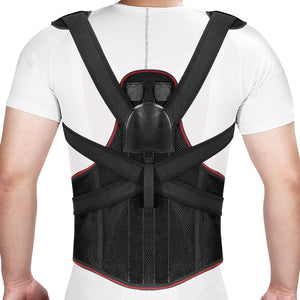
You don't want a cast; you want a co-pilot. Look for designs featuring adjustable straps that allow you to customize the level of lift and stabilization. By applying upward tension, a well-designed support can gently "unload" the joint—meaning it takes a fraction of the arm's weight off the inflamed cartilage. This is incredibly helpful when navigating bilateral arthritis, which is why some individuals opt for a double shoulder compression sleeve to ensure both sides of the body receive symmetrical offloading.
3. Gentle ROM Allowance
Remember the golden rule of arthritis: motion is lotion. Your support should restrict extreme, painful angles while still allowing for everyday, safe movements. Flexible materials like neoprene or specialized knitted fabrics give you the freedom to move gracefully without hitting painful "hard stops."
4. Thermoregulation and Skin-Friendly Materials
Arthritic joints love warmth. Heat increases blood flow to the area, which soothes stiff tissues and makes the joint feel more pliable. However, because arthritis can also cause the surrounding skin to become sensitive or inflamed, the material must be breathable. Advanced thermoregulatory fabrics trap body heat without trapping excess sweat, keeping your skin comfortable even during a busy holiday weekend.
When and How to Wear a Shoulder Brace for Arthritis
Even the most thoughtfully designed support system needs to be used intelligently. Wearing a sleeve 24/7 is generally discouraged because your muscles need to do some of the work to stay strong.
Instead, think of your support as a specialized tool for specific scenarios. Put it on when you know you will be placing a higher load on the joint—like when carrying groceries, doing yard work, or enjoying active summer hobbies. If you are experiencing overlapping inflammatory issues, the best shoulder brace for bursitis often features the same gentle compression and warmth that benefits an arthritic joint.

Frequently Asked Questions (FAQ)
Can a support garment cure my shoulder arthritis?
No. Arthritis is a degenerative condition, meaning the physical wear and tear on the cartilage cannot be reversed by an external garment. However, a high-quality support can be an excellent tool for managing symptoms, improving comfort, and helping you maintain a healthier, more active lifestyle.
Should I look for a single or double-sided option?
It depends entirely on your symptoms. If you only have pain in one joint, a single-sided option is fine. If you experience discomfort in both shoulders, or if your posture is suffering due to overcompensating, seeking out the best double shoulder support brace can help align your posture and provide balanced comfort. Many active individuals find success with a fivali double shoulder compression sleeve to keep their upper body supported holistically.
Will wearing this make my shoulder weaker?
Not if used correctly. The goal is to use the support during active, load-bearing moments to prevent sharp pain, not to rely on it while resting on the couch. Pairing intermittent support with a prescribed physical therapy routine is the best way to maintain muscle strength.
Is it safe to sleep in?
Unless specifically advised by a physical therapist or physician, it is generally recommended to remove compression garments before going to sleep to ensure unrestricted blood flow and allow your skin to breathe.
Next Steps for Finding Relief
Navigating shoulder arthritis is a journey, and you don't have to do it alone. The best approach is holistic: combining smart lifestyle modifications, physical therapy exercises, and the right supportive gear.
As you continue researching the best solutions for your lifestyle, prioritize features that focus on breathability, targeted compression, and freedom of movement. By keeping these essential criteria in mind, you can confidently find a comfortable, effective way to support your shoulders and get back to enjoying all the activities the summer season has to offer.