How to Spot and Manage Early Skin Issues from Brace Use
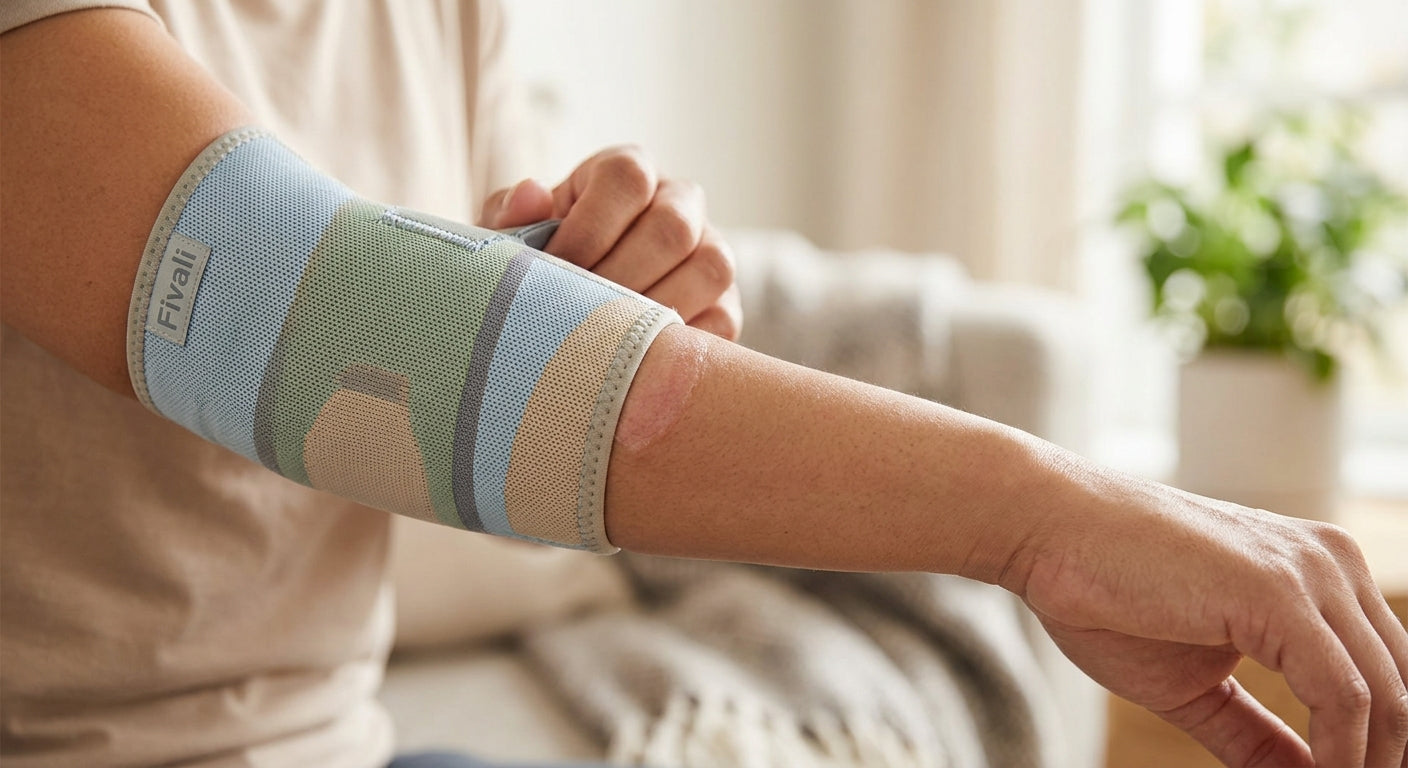
With Memorial Day weekend rapidly approaching to kick off the unofficial start of summer, our calendars are quickly filling up with backyard BBQs, hiking trips, and outdoor recreational sports. It’s an exciting time to get outside and be active. However, if you rely on a Fivali sports brace to keep an old injury stable or provide support during physical activity, rising temperatures bring a hidden challenge: skin irritation.
We often focus so much on the muscle or joint pain we are trying to manage that we completely forget about the skin trapped underneath our protective gear. When sweat, friction, and heat combine, they can turn your trusted support system into an uncomfortable burden. Don't let skin breakdown sideline your summer plans. By understanding the earliest warning signs of brace-induced skin reactions, you can spot problems before they worsen, treat them effectively, and adjust your routine for all-day comfort.

The "Big 4" Culprits Behind Brace Irritation
Before you can effectively treat a skin reaction, it helps to understand why it’s happening in the first place. Almost all brace-related skin problems stem from one (or a combination) of four primary culprits:
- Friction: When a brace is slightly too loose or shifts during movement, it repeatedly rubs against the top layer of your epidermis, acting like mild sandpaper.
- Moisture Trapping: Sweat is natural, but when it can't evaporate, things go wrong. If you've ever dealt with a stubborn heat rash from knee brace wear during a July heatwave, you know exactly how irritating trapped sweat can be.
- Pressure: A brace that is strapped on too tightly cuts off circulation to the superficial skin tissues. This continuous pressure can lead to deep redness, numbness, and eventually, pressure sores.
- Material Sensitivity: Sometimes, the skin simply disagrees with the synthetic components of the gear, leading to a localized allergic reaction or contact dermatitis.
A Visual Dictionary of Early Warning Signs
The key to healthy skin is catching irritation early. While it’s perfectly normal to have faint, temporary pink marks on your skin for 15 to 20 minutes after removing snug gear, persistent issues require attention. Here is how to identify early warning signs:
1. Persistent Redness and Itching (Contact Dermatitis or Mild Chafing)
If your skin is bright red, warm to the touch, and fiercely itchy long after removal, you are likely experiencing early chafing or an allergic response. For example, if you notice your wrist brace irritating skin along the edges where it bends, friction is usually the root cause.
2. Maceration (The "Pruney" Effect)
Maceration is one of the most commonly overlooked early warning signs. When skin is exposed to excess moisture for too long, it absorbs the water, becoming soft, white, and wrinkled—much like your fingers after spending too long in a swimming pool. Macerated skin is incredibly fragile and highly susceptible to tearing and fungal infections.
3. Red Bumps and Sweat Rashes
Trapped heat and sweat can block your sweat glands, leading to tiny, prickly red bumps. This localized heat rash is a clear indicator that your gear lacks adequate ventilation for your current activity level.
4. Hot Spots and Early Blistering
A "hot spot" is a localized area that feels warm and tender, warning you that a blister is imminent. If the rubbing continues, a fluid-filled blister will form to protect the damaged tissue underneath.

Immediate First-Aid: What to Do When Irritation Strikes
When you notice these early signs, your immediate response can be the difference between a minor annoyance and a week-long setback.
- For Redness and Itching: Remove the brace immediately. Wash the area gently with mild, unscented soap and cool water to remove dried sweat and salt crystals (which act as an abrasive). Pat the skin completely dry.
- For Maceration: Expose the area to open air immediately. Do not apply lotions or creams, as these will only add more moisture to already waterlogged skin. Wait until the skin returns to its normal color and texture before reapplying any support gear.
- For Hot Spots and Blisters: Protect the area with a specialized blister bandage or moleskin. Never intentionally pop a blister, as the overlying skin acts as a sterile barrier against infection.
Preventing Irritation: Fit, Fabric, and Barriers
The best treatment for skin reactions is preventing them from occurring in the first place.
Dialing in the Perfect Fit
Improper fit is the leading cause of skin breakdown. A common question people ask is how tight should a tennis elbow brace be? The rule of thumb for almost all braces is that they should be snug enough to provide stability but loose enough to slide two fingers beneath the edge easily. To ensure you are starting on the right foot, always consult a reliable knee brace size chart or sizing guide before choosing your gear.
The Importance of Breathability
If you are prone to sweating, the materials wrapping your joints matter immensely. Opt for a breathable back brace or knee support designed with moisture-wicking mesh panels. Understanding the type of brace fabric you are putting against your body can dramatically reduce the risk of heat rash and maceration.
Creating a Soft Barrier
Many beginners ask, "can i wear a back brace under my shirt?" The answer is yes, but wearing a thin, moisture-wicking undershirt between your skin and the brace is actually the optimal strategy. A cotton or bamboo blend sleeve acts as a sacrificial layer that absorbs friction and wicks away sweat before it can pool against your skin.
Frequently Asked Questions (FAQ)
Should I use lotion before putting on my gear?
When weighing an ankle brace vs moisturizer, always choose dry skin. Applying thick creams or lotions right before putting on your gear is a common mistake. Lotions trap moisture, degrade elastic materials over time, and increase the likelihood of maceration. If you need to moisturize, do it at night before bed.
Why does my skin smell bad after removing the brace?
Odors are caused by bacteria breaking down sweat trapped in the fabric. If your gear smells, it means it is harboring bacteria that could easily infect a small skin tear or blister. This is a sign that your support gear needs an immediate, thorough washing.
When should I see a doctor for a skin reaction?
While most early reactions can be self-managed, you should seek medical attention if a rash begins spreading rapidly, feels hot to the touch, oozes yellow or green pus, or if you develop a fever. These are signs of a developing infection that requires professional care.

Your Daily Skin & Brace Care Routine
Whether you are rehabilitating from surgery, recovering from a sprain with a compression ankle brace, or just seeking extra support for a long summer hike, making skin checks part of your daily routine is vital.
Every time you remove your gear, take 30 seconds to visually inspect your skin. Wash the area with gentle soap, ensure your support gear is regularly hand-washed and air-dried, and give your skin time to "breathe" without compression each day. By recognizing the early warning signs of maceration, friction, and pressure, you can make minor adjustments that ensure your active lifestyle remains completely pain-free.