Can a Knee Brace Prevent Acl Injury?
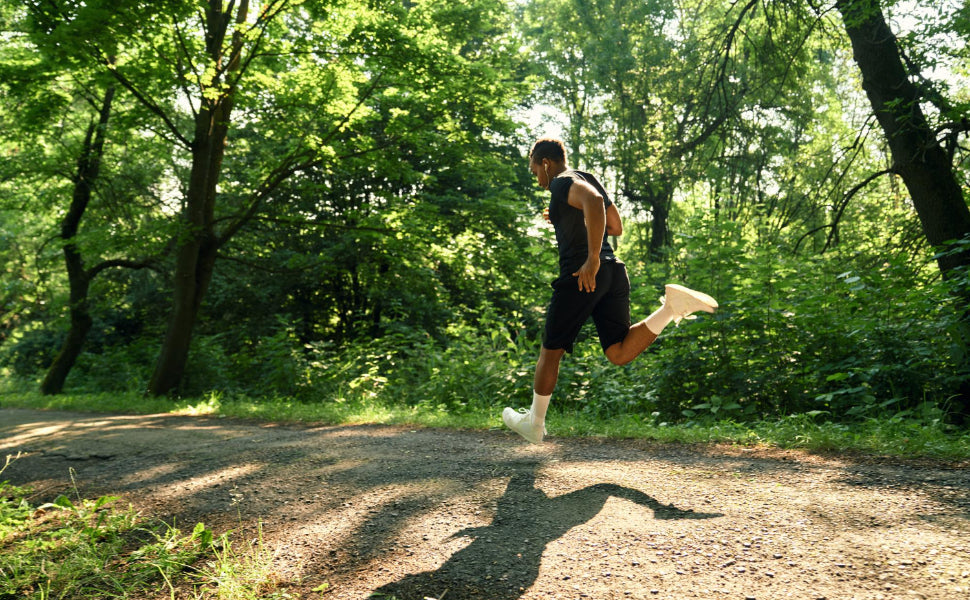
For outdoor enthusiasts, hikers, and trail runners, maintaining joint stability on uneven terrain is critical. Among the various joint issues facing active individuals, an Anterior Cruciate Ligament (ACL) tear is one of the most severe. This raises an important question: Can wearing a brace actually prevent an ACL injury, or does it simply offer a false sense of security during high-impact outdoor activities?
Understanding the mechanical limits of dynamic joint support reveals how protective equipment functions on the trail. While no gear can eliminate risk entirely, selecting the right support structure can significantly enhance joint awareness and stability during aggressive movements.
The Mechanics of ACL Injuries in the Outdoors
An ACL injury typically occurs during sudden deceleration, rapid changes in direction, or awkward landings on unpaved surfaces. The ligament itself connects the femur to the tibia, preventing the shinbone from sliding out in front of the thighbone. When an external force exceeds the tensile strength of the ligament, a strain or complete tear occurs.
Outdoor conditions amplify these risks due to unpredictable surfaces like wet rocks, loose gravel, and steep declines. When navigating steep descents, the load placed on the knee joint increases exponentially.
Dynamic forces act on the joint in several ways:
-
Rotational stress caused by twisting on uneven ground.
-
Hyperextension from sudden slips or missteps.
-
Valgus stress, where the knee collapses inward while the foot remains planted.
External dynamic support helps absorb peak impacts and provides tactile feedback to surrounding muscles, encouraging proper biomechanical alignment before dangerous structural stress occurs.

Primary Roles of a Knee Support System
A high-performance brace serves distinct functions depending on whether it is used for primary prevention, post-injury stabilization, or secondary protection during recovery.
Structural Stabilization
Rigid and semi-rigid supports utilize lateral hinges and durable straps to limit excessive lateral movement and prevent hyperextension. By establishing physical boundaries for joint motion, these devices mitigate extreme forces that typically lead to a knee brace for acl injuries situation on demanding trails.
Neuromuscular Feedback and Proprioception
One often overlooked benefit of compression sleeve garments is proprioception. Compression against the skin enhances sensory feedback to the brain, allowing dynamic stabilization muscles to contract more efficiently. Improved response time helps backcountry athletes adjust their posture automatically when stepping on loose debris.
Load Redistribution
During heavy load carrying, such as backpacking, a mechanical brace transfers a portion of the structural impact away from the central joint capsule toward larger muscle groups in the thigh and calf.
Can a Brace Fully Prevent ACL Damage?
No dynamic support system can guarantee total protection against a catastrophic ligament tear. High-velocity impacts or severe rotational twists can produce torque that exceeds the structural limits of both human tissue and external gear.
However, utilization of a knee brace for acl injuries can reduce the frequency of minor structural micro-traumas and stabilize compromised joints during lateral motion. Protective gear should be viewed as one component of a broader risk management strategy that includes proper footwear, trekking poles, and strength training.
Choosing Support Equipment for Complex Ligament Injuries
When dealing with combined structural issues, standard elastic sleeves are often insufficient. Severe impacts can damage both the ACL and the surrounding cartilage structures simultaneously.
Feature Matrix for Severe Joint Support
| Feature | Standard Sleeve | Hinged Functional Support | Custom Rigged Frame |
| Lateral Stability | Low | High | Maximum |
| Rotational Control | Minimal | Moderate | High |
| Weight Impact | Ultra-Light | Moderate | Heavy |
| Best Application | Minor Fatigue | Active Prevention / Recovery | Severe Instability |
Navigating rocky descents with compromised ligaments requires maximum rigid control. Selecting the best knee brace for torn acl and meniscus protection ensures that both rotational torque and vertical compression forces are properly dissipated across the frame rather than absorbed by damaged internal tissue.
Integrated hinges limit harmful range-of-motion extremes while keeping the knee tracking along its natural sagittal plane. This dual protection is essential for individuals returning to trail activities after sustaining major joint trauma.
Integrating Joint Care into Overnight Wilderness Prep
Long-distance trekking requires holistic body management, particularly when managing joint recovery during overnight backcountry stays.
Active recovery strategies should extend beyond daytime hours:
-
Elevating lower extremities during campsite rests to promote lymphatic drainage.
-
Maintaining consistent hydration to optimize soft tissue elasticity.
-
Avoiding tight restrictive gear during sleep to ensure uninhibited circulation.
Some hikers wonder about overnight recovery habits and ask, should you sleep with a back brace on after carrying heavy packs over rough trails? Generally, wearing tight rigid supports while resting can restrict local blood flow and hamper natural muscle recovery. The same principle applies to lower extremity supports; removing heavy rigid frames at night allows tissues to oxygenate naturally.
However, if an acute injury requires nighttime stabilization, lightweight soft compression options are preferable. Unless specifically instructed for post-surgical immobilization, asking should you sleep with a back brace on or a rigid knee frame usually yields the same answer: clear the body of tight restrictive gear during rest to promote optimal systemic recovery.
When choosing lightweight, high-performance gear designed for active wilderness conditions, Fivali offers advanced structural solutions designed to stabilize joints without compromising natural mobility on challenging trails.
Complementary Strategies for Total Knee Protection
Relying entirely on external gear leaves athletes vulnerable if underlying muscle imbalances exist. To maximize joint longevity, external support should be combined with targeted physical preparation.
Quadriceps and Hamstring Conditioning
Strong hamstrings act as functional agonists to the ACL, pulling the tibia backward relative to the femur to offset anterior displacement. Balanced lower body strength provides dynamic reinforcement that works alongside external structural frames.
Core and Hip Stability
Gluteal strength controls femoral rotation. Weak hips cause the knee to collapse inward during single-leg landings, placing severe stress on the anterior cruciate ligament regardless of whether a brace is worn.
Agility and Landing Mechanics
Practicing soft-landing techniques and controlled directional changes teaches the body to absorb force through hip and ankle flexion rather than transferring raw impact directly into the knee joint structure.
Realizing the Limits and Benefits of Outdoor Joint Gear
While a brace cannot completely prevent a traumatic ACL rupture in every extreme scenario, it serves as an invaluable tool for risk reduction, structural reinforcement, and enhanced joint awareness. Using a functional brace designed for dual ligament and cartilage protection, such as the best knee brace for torn acl and meniscus recovery, allows outdoor enthusiasts to navigate technical trails with greater confidence and physical security.
By pairing durable external support with comprehensive physical conditioning, backcountry adventurers can minimize injury risks, protect recovering joints, and explore demanding outdoor environments safely.
-
Veröffentlicht in
Brace, knee, Knee Injuries