How to Reduce Elbow Bursitis Swelling?

Elbow bursitis, specifically inflammation of the fluid-filled olecranon bursa located at the tip of the joint, causes significant swelling, tenderness, and restriction during athletic activity. Athletes, weightlifters, and fitness enthusiasts frequently experience this condition due to repetitive friction, direct impacts, or prolonged pressure. Managing fluid accumulation effectively accelerates recovery and restores dynamic upper-body mobility. The following evidence-based guide outlines actionable, daily strategies to control fluid buildup, minimize tissue stress, and restore smooth athletic function.
Fast-Track Actions for Acute Fluid Reduction
Immediate action during the early onset of fluid accumulation prevents chronic joint stiffness and minimizes pressure inside the synovial tissue. Taking controlled, non-invasive steps right away supports rapid tissue repair and keeps inflammation from escalating.
Cold Therapy Application
Applying cold packs directly to the affected joint constricts local blood vessels, decreasing the metabolic rate of inflamed tissue and reducing localized fluid buildup. Wrap ice in a light cloth and apply it for fifteen to twenty minutes per session, three to four times daily. Consistent cold application during the first forty-eight hours blocks excessive inflammatory signaling and deadens sharp pain receptors around the joint.
Targeted Joint Elevation
Elevating the affected arm above the level of the heart leverages gravity to drain excess fluid out of the soft tissues and back into the lymphatic system. Prop the forearm on pillows while resting, working at a desk, or sleeping. Maintaining an elevated position for short periods throughout the day prevents venous pooling at the tip of the joint.
Dynamic Compression Management
Targeted compression creates external pressure that prevents fluid from leaking into the bursal sac while assisting passive lymphatic drainage. Utilizing a high-quality elbow compression sleeve for bursitis maintains uniform surface pressure without restricting blood flow to the lower arm. A proper compression sleeve for bursitis elbow supports active circulation while stabilizing soft tissue during daily movement.

Fivali Elbow Brace Compression Sleeve for Men & Women 2 Pack FER04
- Keep Active & Stay Fashion
- Upgraded 3D Knitted Technology
- High Stretchy & Breathable Material
- Non-Slip Silicone Strap Design on the Cuff
$34.49
Save 10%
Active Equipment Solutions for Joint Support
Selecting appropriate athletic support gear stabilizes the joint structure, minimizes operational friction, and protects vulnerable tissues during active movement. Specialized equipment allows athletes to maintain conditioning while protecting inflamed tissues from further irritation.
Benefits of Targeted Compression Sleeves
Elastic knit compression garments apply steady, gradient pressure across the entire joint area. Wearing an elbow compression sleeve for bursitis improves proprioception, reduces micro-vibrations in surrounding muscles, and accelerates fluid reabsorption. Advanced designs incorporate breathable textiles that keep skin cool during training while maintaining firm pressure over the joint tip. For optimal results during daily movement, using a compression sleeve for bursitis elbow keeps swelling locked down and limits internal friction. Brands committed to athletic joint care, such as Fivali, provide ergonomically designed options that balance flexible joint articulation with consistent, targeted compression.
Strategic Use of Rigid Braces
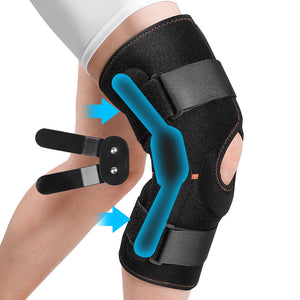
When joint motion actively pinches inflamed tissue, a structured elbow brace for bursitis offers rigid stabilization to limit painful hyperextension and bending. A targeted brace for olecranon bursitis isolates the joint tip, preventing direct contact with weight plates, mats, or desk surfaces. Restricting extreme ranges of motion gives damaged internal structures time to repair without ongoing mechanical stress.
Functional Modification and Ergonomic Adjustments
Continued mechanical irritation directly opposes the body's natural healing processes. Adjusting training protocols and daily environment protects the joint tip from friction while maintaining total-body fitness.
Modifying Athletic Movement Patterns
High-impact exercises, heavy pressing motions, and sports requiring rapid arm extension create significant internal pressure around the joint. Swap heavy bench pressing or overhead tricep extensions for neutral-grip dumbbell variations or isometric holds. Avoiding movement patterns that compress the olecranon tip protects healing tissues and minimizes continuous fluid accumulation.
Environmental Padding and Protection
Direct impact or prolonged pressure on hard surfaces triggers bursal fluid production. Place high-density foam padding on work desks, armrests, and weightlifting equipment. Ensuring the point of the joint never rests on solid surfaces eliminates the primary trigger for chronic tissue swelling.
Controlled Movement and Soft Tissue Recovery
Complete immobilization leads to muscle atrophy and joint stiffness. Integrating low-impact movement patterns maintains circulation and promotes internal fluid clearance without irritating soft tissues.
Gentle Range of Motion Exercises
Smooth, controlled movements encourage active blood flow and lymphatic movement. Perform simple, unweighted wrist extensions, forearm rotations, and controlled elbow flexions within a completely pain-free range. Controlled movement acts as a mechanical pump, driving inflammatory fluid out of the joint area.
Forearm and Upper Arm Myofascial Release
Tight tricep tendons and forearm flexors apply continuous mechanical strain across the back of the joint. Using a soft massage ball on the upper triceps and forearm muscles releases surrounding fascial tension. Releasing tight muscle groups surrounding the joint reduces physical pull on soft tissues, allowing swelling to dissipate faster.
Practical Daily Strategy for Long-Term Prevention
Long-term joint health requires a proactive maintenance plan that prevents recurrent fluid accumulation. Combining targeted equipment, smart recovery habits, and proper load management keeps joints functional and pain-free.
Daily Equipment Rotation
Integrate functional supports into standard training routines based on activity demands. Slide on an elbow compression sleeve for bursitis during general gym training or cardio sessions to maintain dynamic circulation and guard against fluid buildup. Switch to a targeted elbow brace for bursitis during high-impact activities or tasks requiring rigid joint stabilization. Having a flexible support kit ensures optimal protection for every environment.
Gradual Return to Training
Rebuilding activity levels requires structured load management. Increase workout volume, weight, and repetition counts gradually, monitoring the joint tip for any localized swelling after training sessions. If fluid begins to re-accumulate, reduce training intensity immediately and re-apply cold therapy and dynamic compression.
Daily Schedule for Managing Joint Swelling
| Timeframe | Recommended Action | Primary Objective |
| Morning | Put on a compression sleeve for bursitis elbow | Control fluid accumulation and prime joint circulation |
| Midday | Perform 5 minutes of gentle unweighted range of motion exercises | Encourage active lymphatic drainage |
| Post-Activity | Apply cold therapy for 15 minutes, then elevate arm above heart level | Reduce metabolic rate and drain excess tissue fluid |
| Evening | Wear a structured brace for olecranon bursitis during heavy tasks or resting | Protect joint tip from pressure and extreme extension |

Long-Term Maintenance for Peak Athletic Function
Achieving long-term joint stability requires a balanced combination of targeted compression, structural protection, ergonomic modifications, and intelligent load management. Managing joint fluid effectively ensures that active individuals and athletes can continue training without persistent swelling or joint discomfort. Consistently utilizing high-performance compression gear, protecting vulnerable joint surfaces from direct pressure, and maintaining balanced muscular health across the arm establishes a solid foundation for peak performance and total joint durability.
-
Veröffentlicht in
Elbow injury, Recovery