From Walking to Running: A Safe Summer Progression Plan
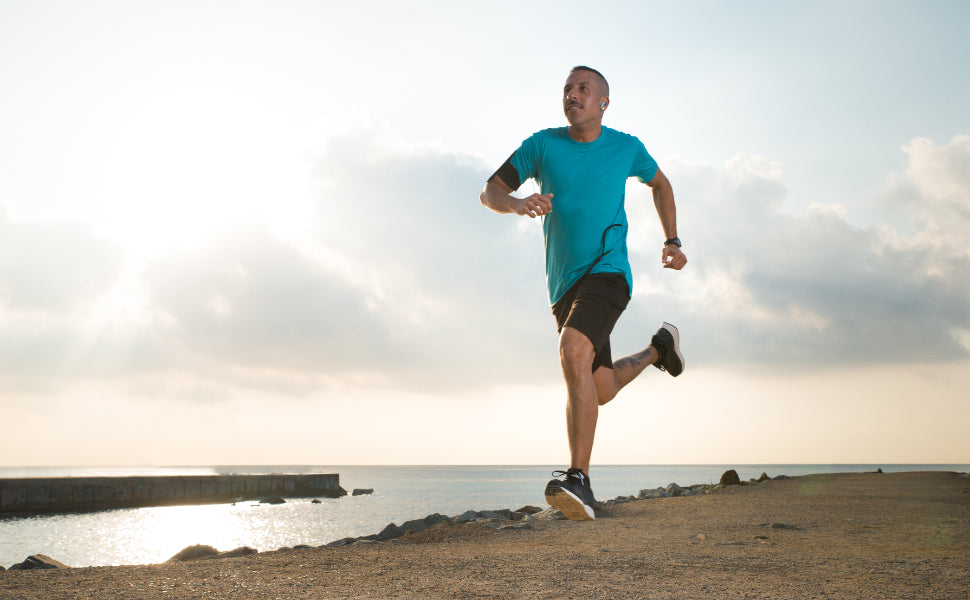
The transition from a sedentary lifestyle or a casual walking routine to a consistent running habit is a common goal during the summer months. The long daylight hours and warm weather provide an ideal backdrop for outdoor fitness. However, the enthusiasm to "just start running" often leads to a common pitfall: progressing too quickly. Without a structured approach, the musculoskeletal system—specifically the joints, tendons, and ligaments—cannot keep pace with the cardiovascular gains. This imbalance frequently results in overuse injuries like shin splints, runner’s knee, or Achilles tendonitis. A successful transition requires a strategic progression plan coupled with the right supportive gear to ensure a long-term, injury-free journey.
The Philosophy of Progressive Loading
The human body is remarkably adaptable, but that adaptation takes time. When moving from walking to running, the impact forces on the joints increase significantly. While walking generally produces impact forces of approximately 1.5 times body weight, running can increase that to 3 or 4 times body weight per stride. To manage this shift, a gradual "loading" phase is necessary to strengthen the connective tissues. Establishing a foundation through walking and structured intervals allows the body to build a "buffer" against the stress of high-impact movement.
Phase 1: Building the Walking Foundation
Before attempting the first jogging stride, a baseline of aerobic fitness must be established. This phase focuses on consistency rather than intensity. Aim for 30 minutes of brisk walking at least four to five times a week. The goal is to condition the feet and lower legs to the repetitive nature of rhythmic movement. During this stage, pay close attention to posture—keeping the head up and the core engaged—to set the technical groundwork for running form later on.
The Core Transition Phase
The most effective way to bridge the gap between a walk and a run is the "Run-Walk Method." This approach minimizes fatigue and reduces the immediate load on the patella and ankles. A typical starting point involves 1 minute of light jogging followed by 2 minutes of walking, repeated for 20 to 30 minutes. Over several weeks, the ratio shifts. You might progress to 2 minutes of running and 1 minute of walking, eventually reaching a point where the walking breaks are no longer necessary for recovery.
Achieving Sustained Running
Once the body can handle 30 minutes of continuous movement with more running than walking, the focus shifts to duration. At this stage, the "10% Rule" is a gold standard: never increase weekly mileage or duration by more than 10% from the previous week. This measured approach ensures that the bones and joints have adequate time to remodel and strengthen in response to the increased mechanical stress.

Frequent Mistakes Leading to Injury
Many aspiring runners fail not because of a lack of willpower, but because of technical and strategic errors. Recognizing these mistakes early can prevent months of physical therapy.
-
Ignoring the Surface: Running exclusively on concrete or asphalt during the first month increases the risk of stress fractures.
-
Overtraining: Skipping rest days prevents the repair of micro-tears in the muscle fibers.
-
Improper Footwear: Using old sneakers or shoes not designed for the specific mechanics of running.
-
Ignoring Pain: Many beginners try to "push through" sharp pains, which is a primary cause of chronic knee and ankle issues.
-
Static Stretching Only: Performing deep, static stretches on "cold" muscles before a run can actually decrease muscle stability and increase injury risk.
Injury Prevention Strategies During Transition
Safety in summer running extends beyond just the pace. Environmental factors and biomechanics play a massive role in how the body handles the heat and the impact.
Dynamic Warm-ups
Focus on active movements like leg swings, lunges, and calf raises. These movements increase the blood flow to the lower extremities and lubricate the joints, making them more resilient to the upcoming impact.
Strength Training for Stability
Running is essentially a series of single-leg hops. Strengthening the glutes, hips, and core is vital for maintaining proper alignment. If the hips are weak, the knee often "caves in" (valgus), which puts undue stress on the ligaments. Incorporating twice-weekly strength sessions can significantly lower the chances of needing a knee brace for running later down the line.
Hydration and Heat Management
Summer heat increases the heart rate and leads to faster fatigue. Fatigue often leads to "sloppy" form, which is when injuries occur. Maintain a strict hydration schedule and consider running during the cooler parts of the day, such as early morning or late evening, to keep the core body temperature regulated.
Criteria for Utilizing Joint Support
Many beginners wonder, "do knee supports work for runners?" The answer lies in the type of support and the reason for its use. Supportive gear is not just for those with existing injuries; it can be a proactive tool for those with structural vulnerabilities or those entering a high-volume training block. Support should be considered if there is a history of instability, minor recurring "niggles," or if the terrain is particularly uneven.
When selecting a knee brace for running or an ankle brace for running, look for breathable materials that won't cause chafing in the summer heat. Proper compression can improve proprioception—the body's ability to sense its position in space—which naturally improves balance and form.
Recommended Knee Support Options
-
Fivali Compression Knee Sleeve: This is an excellent choice for general stability. It provides consistent compression around the patella, helping to manage the vibrations that occur during the foot-strike phase. It is lightweight enough for summer use and helps answer the question of whether a knee brace for running can be comfortable for long distances.
-
Fivali Hinged or Stabilizing Brace: For those who feel a sense of "giving way" or have past ligament issues, a brace with side stabilizers offers more rigid protection. It prevents lateral movement while allowing the necessary forward-and-back motion required for a natural stride.
✧ Fivali Adjustable Plus Compression Knee Sleeves 2 Pack
- Adjustable Double Compression Straps
- Non-Slip Design for Stability
- Breathable, Sweat-Absorbent 3D Knitting Technology
- Optimal Support Compression Comfort

Recommended Ankle Support Options
-
Fivali Adjustable Ankle Wrap: Transitioning to running often strains the tendons around the ankle. An adjustable wrap allows the user to customize the level of compression, providing a reliable ankle brace for running that fits easily inside a standard running shoe.
-
Fivali Breathable Ankle Sleeve: This sleeve is designed for maximum moisture-wicking. It provides mild compression to reduce swelling and improve circulation, making it ideal for the "Core Transition Phase" where the ankles are adjusting to new impact levels.

✧ Fivali Adjustable Ankle Compression Sleeve Ankle Wrap 2 Pack
- Premium Breathable & Elastic Materials
- Adjustable Straps for Secure Fit
- Great Ankle Compression
- Speed up Ankle Recovery & Pain Relief
Final Guidance for a Safe Summer Journey
Starting a running journey is one of the most rewarding fitness transitions one can make, but it requires patience and the right equipment. The summer sun adds a layer of difficulty, making it even more important to monitor physical feedback and avoid the temptation to do "too much, too soon."
Focus on the quality of the movement rather than the speed. Use the transition phase to listen to the rhythm of your breath and the sound of your footfalls. If a minor ache begins to develop, do not hesitate to utilize high-quality gear like Fivali supports to provide the extra stability needed to continue your progression safely. By respecting the body's need for gradual adaptation and providing it with the necessary external support, the transition from walking to running can be the start of a lifelong habit rather than a fleeting summer experiment. Stay hydrated, stay supported, and enjoy the miles ahead.
-
Veröffentlicht in
Ankle Injuries, Brace, knee, Pain