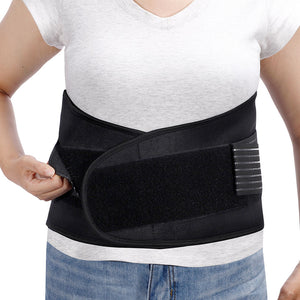
How Do I Know if I Need a Spinal Brace?

Maintaining an active lifestyle requires a strong foundation, and core stability plays a central role in keeping the body moving smoothly. Whether engaging in daily workouts, high-impact athletic activities, or managing demanding physical routines, the back absorbs a significant amount of stress. Over time, persistent discomfort, fatigue, or postural alignment changes can signal that the torso needs temporary external support.
Deciding whether to incorporate extra back protection can be confusing. Recognizing key signals from the body helps clarify when a support device becomes a valuable addition to a physical wellness strategy. Understanding structural signals, movement patterns, and recovery needs ensures long-term mobility and comfort.
Key Signs That Indicate Back Support Is Necessary
The human back is a complex network of muscles, ligaments, and bones designed to handle continuous load. When certain areas become overworked or fatigued, subtle warning signs begin to appear during daily physical movement.
Persistent Fatigue in the Lower and Middle Back
-
Muscular Exhaustion — Sets in after extended periods of standing, walking, or exercising.
-
Dull Aches — Frequently center along the lower spine or mid-back region after strenuous sessions.
-
Core Instability — The sensation of the torso giving out during workouts points directly to weakened stabilization.
Difficulty Maintaining Proper Posture
-
Shoulder Rounding — Becomes increasingly noticeable during routine movement or prolonged desk work.
-
Positional Fatigue — Makes holding an upright posture uncomfortable as physical effort accumulates through the day.
-
Targeted Assistance — A supportive back posture band helps retrain alignment awareness while relieving pressure on overworked back muscles.
Stiffness After Movement or Exercise
-
Post-Workout Tightness — Occurs in the spine immediately following moderate to high-intensity exertion.
-
Limited Flexibility — Restricts natural range of motion during routine bending or twisting actions.
-
Extended Warm-Up Needs — Morning stiffness lasts longer than expected, requiring extra preparation before physical tasks.

Daily Scenarios Where Structural Support Helps
Integrating temporary external reinforcement helps stabilize the torso during high-load activities. Recognizing specific situations where back support proves beneficial prevents unnecessary physical stress.
High-Impact Training and Heavy Lifting
Heavy resistance training, weightlifting, and intense functional fitness place substantial forces on the lumbar area.
-
Intra-Abdominal Demands — Squatting, deadlifting, and overhead pressing require strong core brace pressure.
-
Midsection Protection — External reinforcement maintains spinal neutral positioning under heavy vertical loads.
-
Lifting Resistance — Utilizing a spinal brace support during peak lifting sessions offers targeted structural feedback against improper flexion.
Long Hours of Sitting or Standing
Modern routines often demand prolonged static positions, which can strain back muscles just as much as heavy physical exertion.
-
Pelvic Tilting — Extended sitting flattens the natural curve of the lower back and weakens hip position.
-
Compressive Stress — Prolonged standing places continuous vertical force across the lower vertebrae.
-
Alignment Maintenance — Periodic backing assists in sustaining healthy posture without completely exhausting core muscles.
Returning to Activity After Rest Periods
Resuming fitness routines after time off requires caution, as supportive muscles may have temporarily weakened.
-
Initial Movement Instability — Early workouts after extended breaks can feel awkward or unsupported.
-
Overcompensation Prevention — External gear limits secondary muscle groups from taking on uneven stress.
-
Consistent Physical Feedback — The steady hold of a back posture band offers reliable spatial awareness to keep movements safe.
Comparing Options for Targeted Stabilization
Selecting the appropriate type of back aid depends on individual movement goals, activity levels, and the degree of stabilization required.
| Support Type | Primary Purpose | Best Used For | Key Features |
| Postural Trainers | Realignment & Habit Building | Daily wear, desk work, light walks | Lightweight straps, subtle pull across shoulders |
| Lumbar Support Belts | Core Compression & Load Support | Heavy lifting, physical labor, intense workouts | Broad coverage, adjustable compression straps |
| Flexible Spinal Supports | All-Day Comfort & Dynamic Movement | Active sports, ongoing dynamic tasks | Breathable material, flexible internal stays, low profile |
How External Supports Enhance Active Performance
Adding targeted support gear to an active regimen yields several functional advantages beyond basic discomfort management.
Enhanced Proprioceptive Awareness
-
Real-Time Signals — Tactile contact from wearable support increases immediate body position awareness.
-
Correction Cues — Immediate physical feedback alerts you whenever posture slips out of optimal alignment.
-
Injury Prevention — Greater structural awareness reduces sudden, awkward movement during dynamic training.
Redistribution of Mechanical Stress
-
Load Spreading — Uniform compression distributes mechanical forces evenly across the broader midsection.
-
Reduced Disc Pressure — Direct force on individual lumbar discs drops significantly during heavy tasks.
-
Fatigue Delay — Secondary stabilizer muscles experience less strain, allowing smoother movement over time.
Greater Confidence in Dynamic Movement
-
Smooth Transitions — Midsection firmness supports natural rotational and bending movements across sports.
-
Tension Reduction — Decreased fear of sudden muscle twinges allows fuller participation in physical conditioning.
-
Apparel Integration — High-performance options from brands like Fivali integrate cleanly with activewear without restricting necessary mobility.
Selecting the Right Fit for Active Lifestyles
Choosing effective support equipment involves evaluating several essential physical features to ensure maximum utility and long-term comfort.
Material and Breathability
-
Moisture Management — Breathable performance fabrics keep skin dry during sweating.
-
Durability & Flex — Elastic and neoprene blends offer strong elastic recovery without trapping excessive heat.
-
Skin Comfort — Soft, hypoallergenic linings stop chafing and irritation during repeated wear.
Adjustability and Compression Control
-
Dual-Strap Tensioning — Independent side straps allow exact compression adjustments over different torso zones.
-
Reliable Fastening — High-grade hook-and-loop closures keep settings firm through energetic movement.
-
Low-Profile Buckles — Flat attachment points prevent catching on outerwear or active apparel.
Size and Anatomical Contour
-
Accurate Sizing — Precise waist measurements ensure proper placement and effective core compression.
-
Ergonomic Shaping — Curved paneling follows the natural contours of the hips and lumbar spine.
-
Concealment — Slim designs fit comfortably under standard athletic clothing without adding bulk.
Integrating Core Support into Routine Wellness
Relying entirely on external gear can lead to core muscle passivity over time. A balanced approach combines support wear with active core strengthening.
Best Practices for Wear Duration
-
Strategic Usage — Wear support devices during demanding lifting sessions, high-load physical work, or prolonged sitting.
-
Active Breaks — Remove external support during light tasks to encourage natural stabilizer activation.
-
Balanced Routine — Avoid all-day continuous wear so internal muscles stay active and strong.
Complementary Core Exercises
-
Plank Variations — Develop isometric strength across the entire abdominal wall and lower back.
-
Bird-Dog Motions — Build cross-body stability and control along deep spinal muscles.
-
Glute Bridges — Target the posterior chain to take pressure off the lumbar region during movement.
Mobility and Flexibility Work
-
Hip Flexor Stretches — Release forward pelvic pull and relieve lower back tightness.
-
Thoracic Rotations — Increase upper back mobility while preserving lower spine stability.
-
Hamstring Lengthening — Decrease constant mechanical pull on the pelvis and low back.
Making an Informed Decision for Spinal Health
Listening to subtle signals from the body is essential for maintaining mobility and athletic performance. Persistent back fatigue, slouching, or discomfort during lifting indicate that extra support could benefit your routine. Incorporating a well-designed spinal brace support during high-demand activities offers targeted compression, improves posture awareness, and helps prevent unnecessary strain. By balancing external assistance with core-strengthening exercises, you can continue pursuing an energetic, active lifestyle with confidence and long-term physical resilience.
-
Veröffentlicht in
Back pain solutions, Brace, Healthy Lifestyle