Is My Knee Pain Because of My Weight?
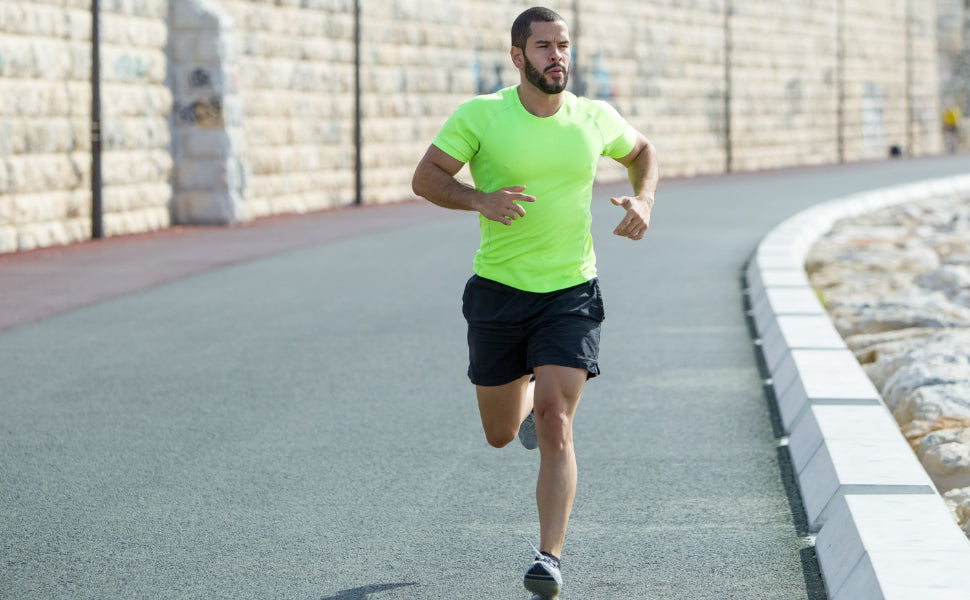
Every step taken during a run, a hike, or a daily walk carries the body's entire mass down through the joints. For active individuals carrying extra body mass, joint discomfort can rapidly convert a passion for fitness into a daily challenge. Understanding how excess weight influences joint mechanics, force distribution, and cartilage wear provides crucial clarity for anyone striving to remain active while managing physical strain.
Weight and Joint Strain Mechanics
The relationship between body weight and joint pressure is dictated by leverage and momentum. The force exerted on knees during everyday movements is significantly higher than the physical number displayed on a scale.
-
Biomechanical Force Multiplication: During normal walking on a flat surface, every single pound of excess body weight adds roughly four pounds of pressure to the knee joints.
-
Impact of Dynamic Movement: When running, jumping, or descending stairs, this impact escalates to six or eight times body weight per step.
-
Cartilage Compression: Continuous heavy load compresses the meniscus, the shock-absorbing rubbery cartilage between the thighbone and shinbone, leading to accelerated friction.
-
Alignment Shifts: Carrying additional mass around the midsection or hips can alter gait mechanics, causing knees to track inward and creating asymmetric joint wear.
Structural Sources of Discomfort
Weight-related mechanical pressure rarely acts alone. Chronic strain triggers structural changes within the joint complex that manifest as persistent Knee pain during or after physical activity.
Cartilage Breakdown and Friction
Articular cartilage provides a smooth, lubricated surface that enables bones to glide effortlessly across one another. Under constant excessive loads, this tissue thins out over time. As the padding wears down, bone ends rub more directly against each other, causing stiffness, swelling, and sharp aching sensations during exercise.
Ligament Stress and Joint Instability
Ligaments keep joints stabilized. Excess body weight keeps connective tissues under tension continuously. Over time, this constant mechanical strain weakens the collateral and cruciate ligaments, making the joint feel loose or prone to giving out during sudden lateral movements.
Tendon Strain and Inflammation
Patellar tendonitis frequently develops in larger individuals who engage in repetitive movement patterns. The tendon connecting the kneecap to the shinbone becomes overworked while attempting to decelerate higher amounts of body mass, resulting in burning pain just below the kneecap.
External Support and Stabilization Options
Remaining active is essential for overall wellness and body composition management, yet exercising with joint discomfort can feel counterproductive. Utilizing supportive gear offers a practical approach to stabilizing joints and staying mobile.
Choosing Specialized Supportive Gear
Standard compression sleeves often fall short for larger athletes, as they tend to roll down, pinch the skin, or fail to offer adequate structural support. Utilizing a plus size knee brace provides engineered reinforcement tailored specifically to larger leg proportions.
-
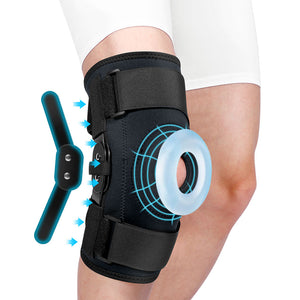
Heavy-Duty Lateral Hinges: Reinforced dual hinges offset mechanical load by directing excess weight away from the sensitive inner joint compartment.
-
Ergonomic Open-Patella Designs: Padded cutouts keep the kneecap properly aligned in its track, reducing friction under heavy load.
-
Anti-Slip Silicone Grips: Internal silicone lining prevents the sleeve from sliding down during vigorous workouts.
-
Breathable Neoprene Blends: High-grade stretch fabrics deliver medical-grade compression without trapping excessive heat or moisture.
- Fivali Top Picks
✧ Plus Size Knee Brace for Sports with Rubber Pad FKH04 – 1 Pack
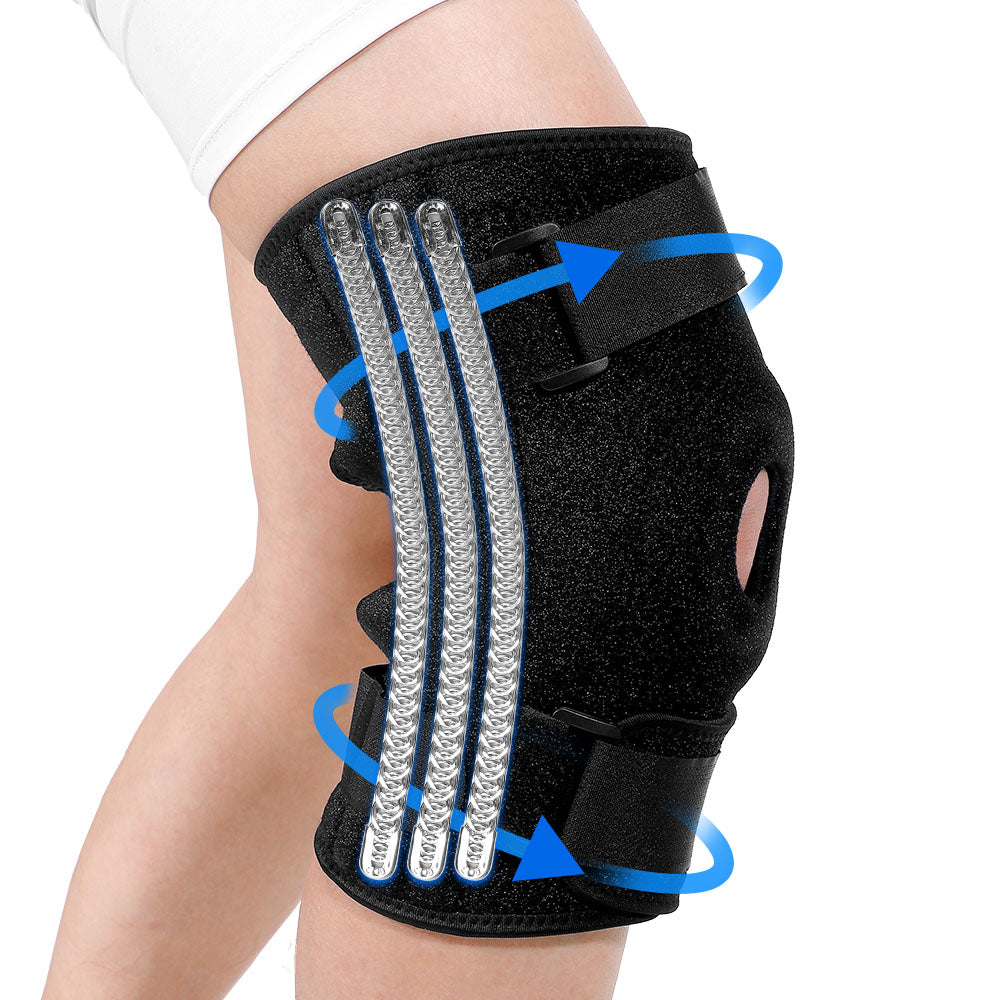
- Triple Metal Springs Stabilizers for Reinforcement
- Plus Size Fit for Obese People, Large Legs
- 3D Breathable Circular Wrapping
- Flexible Velcro Design for Strong Adhesion
- Zero Slip During Lifts, Bends, Walks
Comparing Support Solutions for Larger Athletes
| Feature | Standard Knee Sleeve | Plus Size Knee Support |
| Sizing Range | S to XL | 2XL to 6XL+ |
| Lateral Support | Flexible Fabric Only | Dual Rigid Hinges or Springs |
| Strap Configuration | Pull-On Only | Adjustable Criss-Cross Straps |
| Discomfort Prevention | Prone to Rolling & Bunching | Non-Slip Silicone Bands |
Selecting an extra large knee brace helps distribute pressure evenly across the thigh and calf muscles rather than allowing force to concentrate entirely inside the joint capsule. Dedicated gear options from brands like Fivali integrate dual-side stabilizers and fully adjustable tension straps, allowing active individuals to customize their support level as mobility improves. Finding a sturdy obese knee brace ensures proper compression that stays firmly in place throughout long walks, strength sessions, or outdoor activities.
Strategies for Protecting Knees During Exercise
Managing joint strain involves adapting fitness routines to minimize direct vertical impact while building supporting muscle strength.
Transition to Low-Impact Cardio
High-impact workouts can exacerbate joint pain when carrying extra mass. Swapping high-impact pavement running for lower-impact alternatives preserves joint integrity while maintaining cardiovascular endurance.
-
Swimming and Water Aerobics: Water buoyancy supports up to 90% of total body weight, eliminating joint impact while providing natural resistance.
-
Stationary Cycling: Smooth pedal rotations strengthen quadriceps without subjecting knee joints to repeated hard foot strikes.
-
Rowing Machines: Rowing delivers a comprehensive full-body cardiovascular workout while keeping weight off the lower extremities.
-
Elliptical Trainers: Ellipticals simulate running mechanics without the harsh heel-strike impact associated with treadmill or outdoor running.
Target Quadriceps and Hamstring Strength
Surrounding muscles act as natural shock absorbers for knee joints. Strengthening these key groups reduces the direct force transmitted into bone and cartilage.
-
Quadriceps Focus (Straight Leg Raises): Strengthens the front thigh muscles to stabilize patellar tracking and control lower-leg alignment during daily steps.
-
Hamstring Engagement (Seated Leg Curls): Fortifies the back of the legs to absorb forward deceleration forces during walks, hikes, and active movements.
-
Gluteus Medius Activation (Clamshells): Builds lateral hip strength to prevent inward knee collapse under heavy loads.
-
Calf Strengthening (Standing Calf Raises): Enhances lower-leg muscle density to improve shock absorption right above the ankle joint.
Optimize Footwear and Surfaces
Footwear choices directly influence lower-body alignment and impact absorption.
-
Replace Worn Athletic Shoes: Running and walking shoes lose structural shock absorption capabilities after roughly 300 to 500 miles.
-
Choose Cushioned Soft Surfaces: Opt for dirt trails, rubberized tracks, or grassy parks instead of concrete sidewalks and asphalt roads.
-
Utilize Custom Orthotics: Arch support insoles prevent excessive foot pronation, which directly mitigates inward knee twisting during movement.
Daily Habit Adjustments for Joint Longevity
Small, consistent structural adaptations in daily life significantly lower overall load on lower joints.
-
Pace Exercise Intensity: Avoid increasing training volume or distance by more than 10% per week to give ligaments and tendons time to adapt.
-
Prioritize Active Recovery: Incorporate foam rolling and hamstring stretches after exercise to prevent tight muscles from pulling on joint attachments.
-
Use Assistive Equipment for Elevation: Utilize trekking poles during hikes or incline walks to transfer a portion of lower-body weight to the upper body.
-
Optimize Daily Movement Mechanics: Avoid deep squatting under heavy loads or sitting in low, soft couches that require excessive joint leverage to exit.
Sustainable Path to Pain-Free Movement
Managing joint discomfort while carrying extra weight requires a thoughtful blend of external stabilization, smart workout adaptations, and long-term habit adjustments. By incorporating low-impact cardio, targeted muscle strengthening, and specialized support gear like an extra large knee brace, active individuals can significantly alleviate physical pressure on their lower joints. Protecting cartilage and ligaments today creates a foundation for lifelong mobility, allowing fitness enthusiasts to continue pursuing active lifestyles comfortably and confidently.