Understanding Sciatica
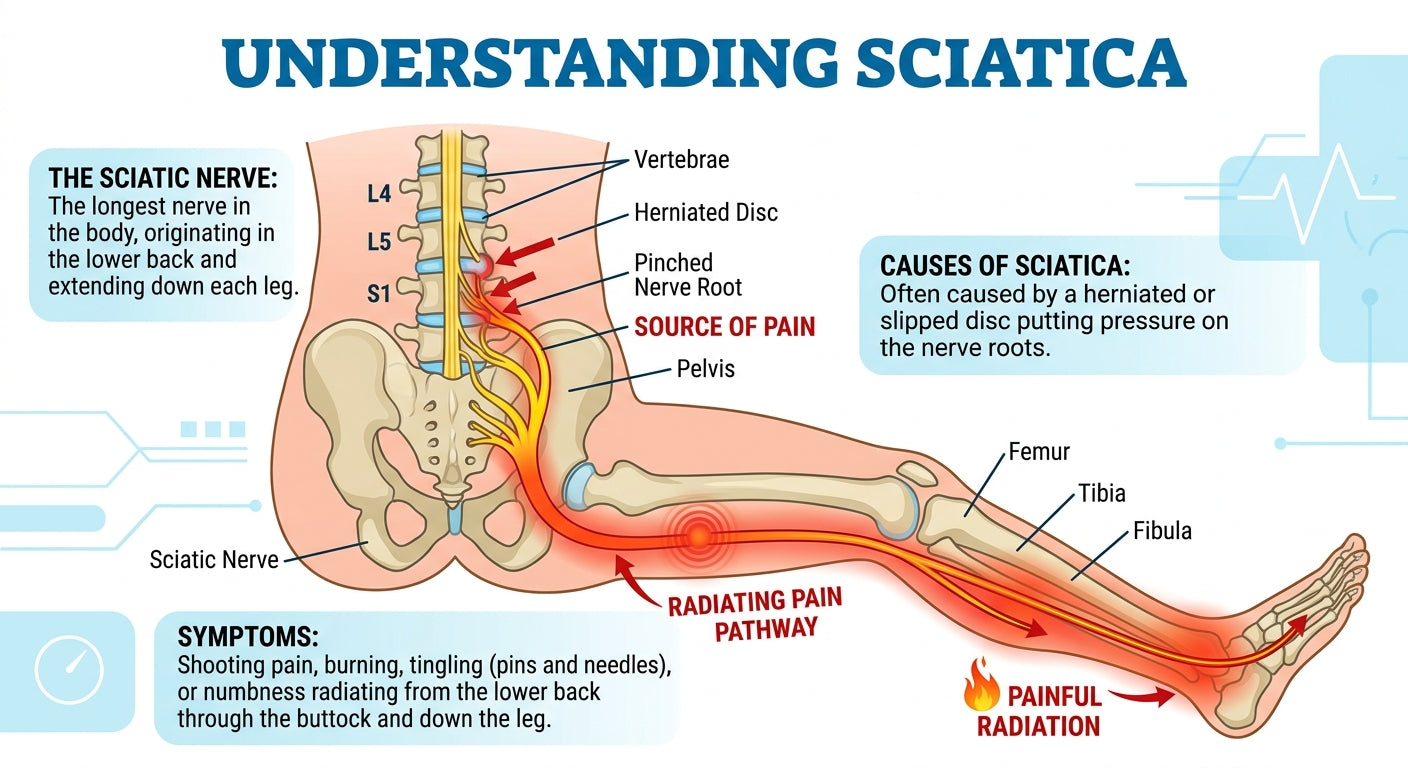
Sciatica is a widely recognized term for pain that radiates along the sciatic nerve, the longest nerve in the human body. This nerve branches from your lower back through your hips and buttocks and down each leg. Typically, sciatica affects only one side of your body. The discomfort can range from a mild ache to a sharp, burning sensation or excruciating pain. It can feel like an electric shock, often worsening with prolonged sitting, coughing, or sneezing.
What is Sciatica?
Sciatica is not a medical diagnosis in itself, but rather a symptom of an underlying problem affecting the sciatic nerve. This nerve plays a crucial role in connecting the spinal cord to the muscles in the legs and feet. When the sciatic nerve becomes compressed or irritated, it can lead to a cascade of painful sensations, numbness, tingling, or weakness in the affected leg. The severity and location of the pain can vary significantly depending on which part of the nerve is compressed and the underlying cause.
What Causes Sciatica Pain?
Identifying what causes sciatica pain is crucial for effective treatment. The most common culprits include:
- Herniated Disc: This is the most frequent cause. A bulging or ruptured disc in the lumbar spine can press directly on the sciatic nerve root. If you're wondering what a herniated disc feels like, it often presents as sharp, localized pain that can radiate.
- Spinal Stenosis: The narrowing of the spinal canal, which can put pressure on the spinal cord and nerves. This condition is more common in older adults.
- Piriformis Syndrome: The piriformis muscle is a small muscle located deep in the buttocks, near the hip joint. If this muscle tightens or spasms, it can compress the sciatic nerve that runs either through or beneath it. Understanding the difference between piriformis syndrome and sciatica is important, as their symptoms can be similar.
- Spondylolisthesis: This condition occurs when one vertebra slips forward over another, leading to nerve compression.
- Degenerative Disc Disease: The natural wear and tear on the discs between vertebrae can lead to nerve irritation.
- Trauma: Injuries to the lower back or pelvis can also cause sciatica.
- Lifestyle Factors: Obesity, prolonged sitting, and lack of exercise can contribute to sciatica by placing undue stress on the spine.
Recognizing the Symptoms of Sciatica
The symptoms of sciatica can be diverse, but they generally follow the nerve's pathway. Common signs include:
- Pain that radiates from your lower back down your buttocks and the back of your leg.
- A burning or tingling sensation in the leg.
- Numbness or muscle weakness in the affected leg or foot.
- Pain that worsens with movement, prolonged sitting, or coughing.
- A sharp, shooting pain that makes it difficult to stand up or walk.
It's important to note that if you experience sudden, severe weakness in your leg, bowel or bladder dysfunction, or sciatica that follows a violent injury, you should seek immediate medical attention.
Diagnosing Sciatica
A healthcare professional will typically diagnose sciatica through a thorough physical examination and by reviewing your medical history. During the examination, they may check your reflexes and muscle strength, and observe how certain movements affect your pain. Diagnostic tests might include:
- X-rays: To rule out other conditions like fractures or tumors.
- MRI (Magnetic Resonance Imaging): Provides detailed images of the bone and soft tissues, helping identify herniated discs, spinal stenosis, or other nerve compression.
- CT scan (Computed Tomography): Another imaging test that can reveal bone abnormalities.
- Electromyography (EMG): Measures electrical impulses produced by muscles and nerves, confirming nerve compression and its severity.
Understanding the specific cause is key to developing an effective treatment plan.

Treatment Options for Sciatica
The approach to managing sciatica typically begins with conservative treatments, aiming to relieve pain and address the underlying cause without invasive procedures. Many people find significant relief for sciatica hip pain and general discomfort with these methods.
Conservative Treatments
- Rest and Activity Modification: Short periods of rest can be beneficial, but prolonged bed rest can actually worsen symptoms. Gentle movement and avoiding activities that aggravate the pain are often recommended.
- Pain Management: Over-the-counter pain relievers, such as ibuprofen, can help reduce inflammation and pain. In some cases, a healthcare provider might prescribe muscle relaxants or stronger pain medication.
- Physical Therapy: A customized exercise program designed by a physical therapist can strengthen core muscles, improve flexibility, and enhance posture, all of which support spinal health and reduce pressure on the sciatic nerve. Stretches and exercises are crucial for long-term recovery.
- Heat and Cold Therapy: Alternating between hot and cold packs can help reduce inflammation and soothe pain.
- Alternative Therapies: Acupuncture, massage, and chiropractic adjustments may provide relief for some individuals, though their effectiveness can vary.
Nutritional Support and Prevention
While not a direct treatment, focusing on your overall health can support nerve function and recovery. Some research suggests that certain vitamin supplements for sciatic nerve pain might aid nerve health. Always consult with a healthcare provider before starting any new supplements.
Preventing sciatica often involves adopting healthy habits:
- Maintain Good Posture: Be mindful of your posture, especially when sitting for long periods.
- Regular Exercise: Strengthen your back and core muscles.
- Proper Lifting Techniques: Lift with your legs, keeping your back straight.
- Maintain a Healthy Weight: Excess weight can put additional strain on your spine.
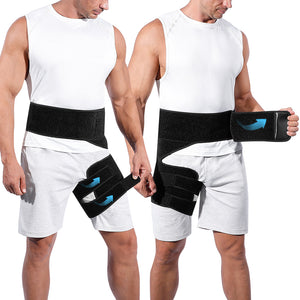
For additional support during recovery or to manage chronic back issues, a sciatica support brace can provide stability and relief. You can explore various back support for pain options to find what works best for you.
-
Veröffentlicht in
Back pain causes