Trick-or-Treating Safety Tips: How to Stay Comfortable on Halloween Night
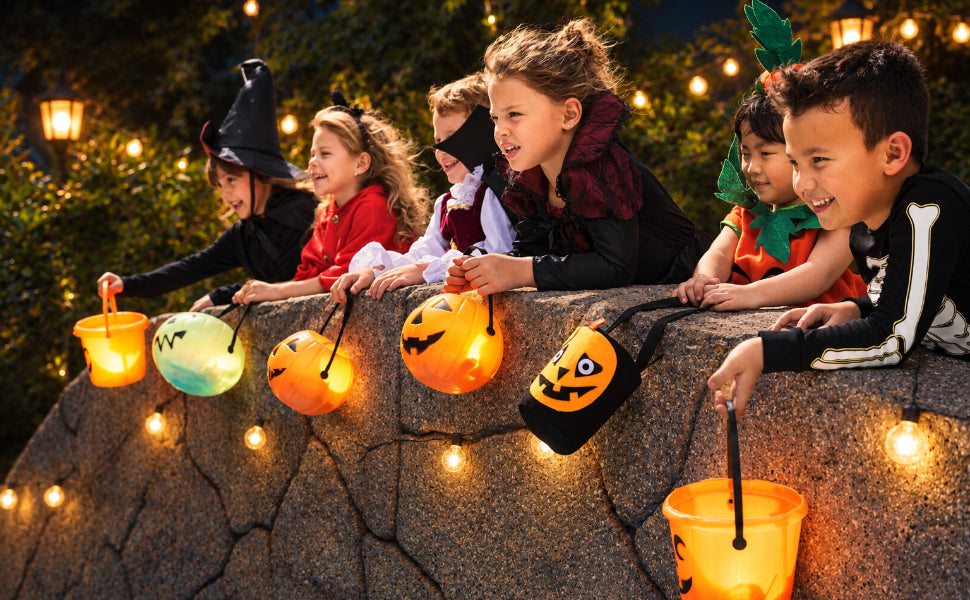
Halloween is often celebrated as an evening full of fun, costumes, and sweet treats. For parents, kids, and guardians, taking part in neighborhood trick-or-treating is a cherished annual tradition. Behind the excitement lies a surprising amount of physical exertion. Walking door-to-door across uneven sidewalks, managing heavy buckets of candy, and wearing elaborate costumes can quickly turn a fun evening into a physically exhausting experience. By planning ahead and prioritizing comfort alongside safety, families can enjoy a memorable Halloween night without unnecessary strain.
Why Trick-or-Treating Can Be More Physically Demanding Than Expected
Walking through neighborhoods on Halloween night may seem like a light stroll, but it frequently turns into a lengthy multi-mile journey. As documented in safety findings published by the U.S. Consumer Product Safety Commission [1], seasonal trip and fall hazards, crowded pedestrian pathways, uneven sidewalks, and hidden obstacles significantly increase the incidence of slips, stumbles, and injuries during holiday celebrations.
Several unique factors contribute to the physical burden of Halloween night:
- Continuous Walking, Stair Climbing and Challenging Terrain: Stepping on and off curbs, crossing unpaved lawns, ascending steep porch steps and traveling long neighborhood blocks require constant balance. Uneven ground and dimly lit walkways place continuous stress on legs, knees, and the lower back while speeding up fatigue.
- Carrying Heavy Gear and Candy Bags: Accumulating several pounds of candy alongside flashlights, water bottles, and spare clothing shifts natural body alignment, increasing strain on shoulders, arms, and spine.
- Wearing Restrictive Costumes: Masks, capes, oversized garments, and stiff fabrics restrict natural movement, alter balance, and impair peripheral vision, making routine locomotion much more difficult.
- Reduced Visibility and Hidden Obstacles: Low ambient lighting combined with yard decorations, extension cords, and crowded walkways heightens the risk of unexpected stumbles.
- Handling Unpredictable Child Movements: Constant sudden surges, abrupt stops, and quick dashes from excited children force chaperones into rapid physical reactions that stress tired joints and muscles.

Choose Outfits That Allow Free Movement
Selecting the right costume is essential for both safety and physical comfort. While elaborate designs look impressive, they should never compromise physical mobility or balance.
- Avoiding Excess Length and Tripping Hazards
Garments that drag on the ground or feature long capes create immediate tripping hazards, especially when walking in the dark or climbing stairs. Costumes should be tailored or hemmed to clear the ground completely.
- Selecting Supportive and Properly Fitted Footwear
Footwear forms the foundation of a comfortable evening. Shoes should be broken in prior to Halloween night, offering adequate arch support and cushioning. High heels, stiff novelty boots, or oversized shoes should be strictly avoided to prevent blisters, sprains, and fatigue.
- Prioritizing Mobility Over Appearance
Every element of a costume should permit a full range of motion. Restrictive wireframes, heavy headpieces, and tight garments alter natural posture and gait, leading to premature muscle fatigue and discomfort.
Planning for Several Hours of Continuous Walking
Proactive route planning reduces unnecessary steps, conserves physical energy, and prevents fatigue before the night ends.
Pre-plan Neighborhood Routes
- Route selection & loop design: Review neighborhood maps ahead to find well-lit streets and smooth sidewalks. Plan a loop starting and ending near home to avoid tiring long return walks.
- Age-based distance adjustment: Match the walking range to the youngest child. Toddlers suit a two-block radius, while older children can manage longer neighborhood loops to prevent exhaustion.
Schedule Regular Short Rest Breaks
Walking continuously builds muscular tension. Arrange periodic rest stops on park benches or neighbours’ porches to let leg and back muscles recover throughout trick-or-treating.
Use Supportive Physical Gear for Extra Comfort
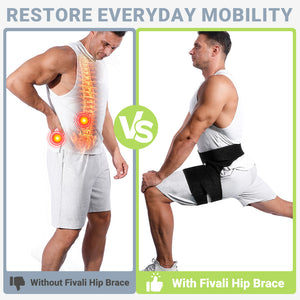
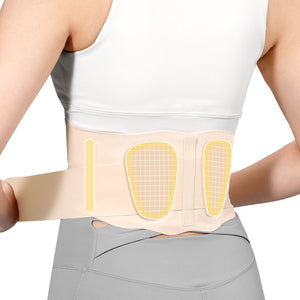
Long hours of standing and walking put heavy stress on the spine and lower back. The fivali back brace provides structured lumbar support, maintains healthy posture and reduces fatigue during extended neighborhood walks.
Properly Manage Candy Bags and Halloween Gear
Carrying equipment for an extended period requires smart weight distribution to prevent localized muscle soreness and fatigue.
Lighten and Balance Loads for Children
- Encourage kids to periodically empty candy bags into a wagon or vehicle to avoid overfilled buckets. Heavy, lopsided candy containers force awkward postures and create unilateral body strain.
- Skip single-shoulder sacks for prolonged use. Lightweight dual-strap backpacks spread weight evenly, support balance and reduce the risk of spinal misalignment.
Reduce Adult Chaperone Strain with Ergonomic Support
- Adult chaperones typically carry water bottles, spare flashlights, jackets and phones. Store these essentials inside a lightweight ergonomic backpack to free up hands and avoid overloading.
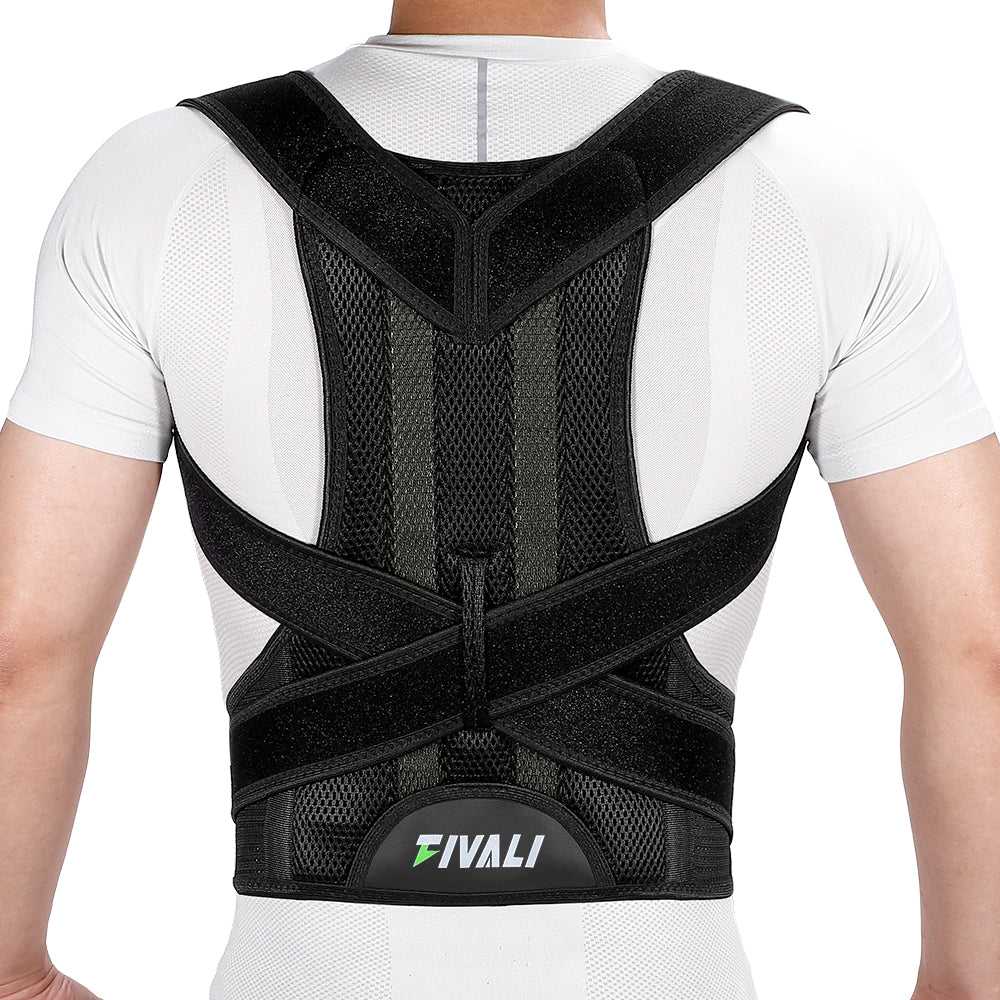
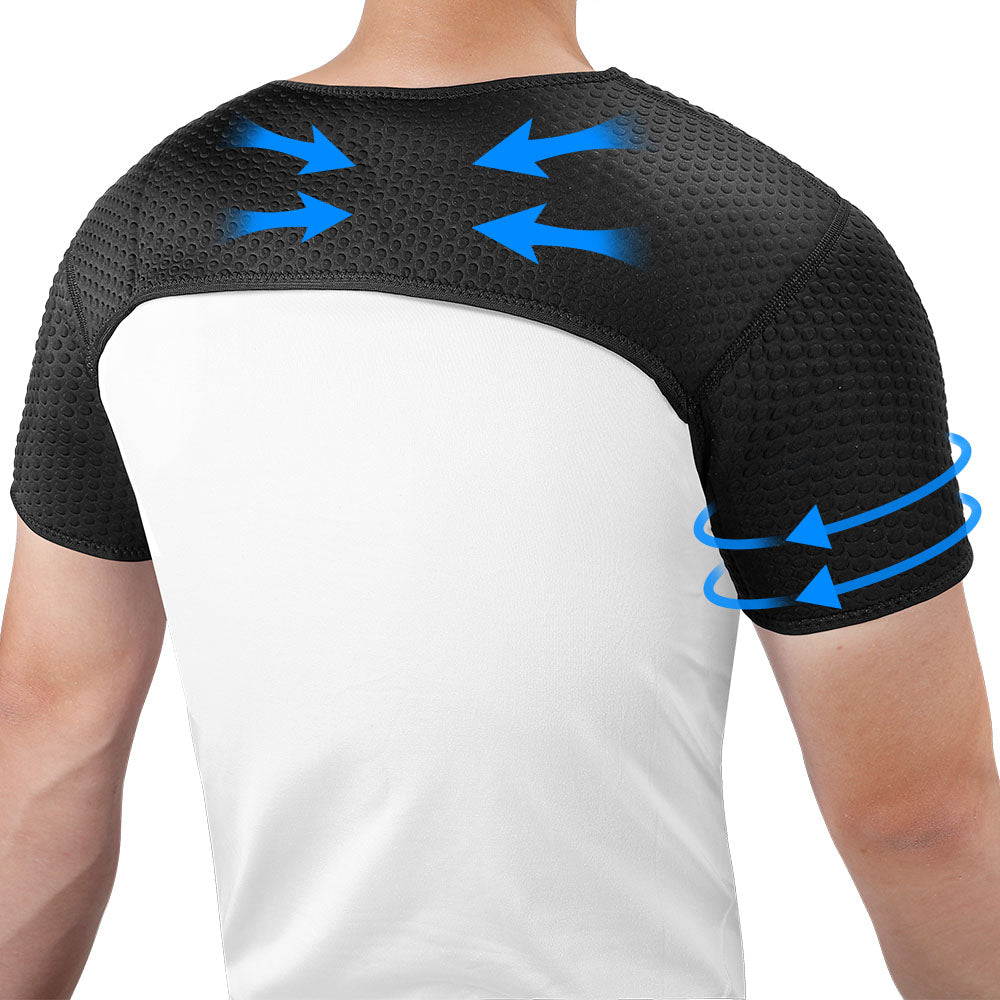
- Managing excited children and hauling supplies for hours puts heavy stress on shoulders and upper back. Fivali shoulder braces deliver adjustable, breathable support to maintain good upper-body posture while preserving full natural mobility all night long.
Maintaining High Visibility in Dark Environments
oor visibility raises the chance of trips, falls and pedestrian collisions. Bright lighting and reflective gear help trick-or-treaters stay noticeable to drivers and other people out on foot. Follow these simple safety practices for nighttime trick-or-treating:
- Carry flashlights, headlamps or LED lanterns to light up shadowy walkways, revealing uneven pavement, tree roots and loose wires; every group should bring several light sources.
- Add reflective tape, glow sticks or clip-on LED lights to costumes and candy bags. Reflective details and bright hues let motorists spot your party from farther away.
- Stay on paved, well-lit sidewalks and official pedestrian routes. Avoid cutting through unlit lawns or walking along the middle of dark roadways.
- Keep children under adult supervision at all times. Cross only at corners or marked crosswalks, check both directions before stepping off the curb, and never dart between parked cars to cross the street.
Taking Breaks and Responding to Physical Fatigue
gnoring physical discomfort leads to prolonged soreness and increased risk of injury, so listening to physical cues helps maintain energy and comfort throughout the night. Take frequent hydration breaks — carrying water bottles prevents dehydration even in cooler autumn weather, since continuous walking builds up a sweat. Use rest stops to stretch calves, hamstrings, and the lower back, relieving muscular tension and keeping joints limber. Watch for early signs of overexertion, such as lagging steps, slouching posture, or irritability in young children, which signal that it is time to shorten the route or head home. Above all, never push through sharp pain or persistent stiffness; if walking becomes painful, stopping to rest or ending the session protects the body from injury and ensures a positive overall experience.

Essential Trick-or-Treating Safety Checklist
Reviewing a quick safety and comfort checklist before leaving home ensures no vital items are forgotten.
-
Comfortable and supportive walking shoes
-
Well-fitting, non-trailing costume
-
Functional flashlights with fresh batteries
-
Reflective accessories or glow sticks
-
Reusable water bottles for hydration
-
Pre-planned neighborhood route
-
Adult supervision for younger groups
-
Scheduled rest stops planned along the route
-
Supportive comfort gear for joints if needed
Frequently Asked Questions
How long does trick-or-treating usually last?
Trick-or-treating typically lasts between two and three hours, usually starting around dusk near 5:30 PM or 6:00 PM and wrapping up by 8:00 PM or 8:30 PM.
What should kids wear for trick-or-treating?
Kids should wear flame-resistant, flexible costumes that fit properly without dragging on the ground, paired with comfortable, supportive walking shoes and reflective accessories.
How can I make trick-or-treating safer?
Enhance safety by maintaining bright lighting with flashlights, wearing reflective gear, sticking to well-lit sidewalks, crossing streets carefully, and ensuring adult supervision.
Is trick-or-treating a lot of walking?
Yes, trick-or-treating often involves walking two to three miles or more depending on neighborhood density and route length, making physical preparation essential.
How can I stay comfortable during a long night of walking?
Maintain comfort by wearing supportive footwear, pacing your walk, taking regular rest and hydration breaks, managing bag weight, and using ergonomic joint support gear.
Final Recommendations for a Comfortable Halloween Night
A successful Halloween night is all about balancing non-stop festive fun with practical physical comfort. By wearing flexible costumes, pre-planning your walking routes, and relying on proper posture support, families can dive into the celebration while easily avoiding strain and fatigue. Prioritizing your physical well-being guarantees that every moment of the night stays cheerful, active, and safe for everyone.
To ensure you can fully enjoy the festivities without being held back by tiredness or discomfort, Fivali is launching a limited-time HalloweenSale, offering 12% off storewide. Give your body the comfort and support it deserves, so you can immerse yourself completely in the joy of the holiday!
References
[1] U.S. Consumer Product Safety Commission. "On a Day for Goblins and Tricks, Make Safety a Treat."
-
Veröffentlicht in
Healthy Lifestyle