How to Play Thanksgiving Football Without Getting Hurt?
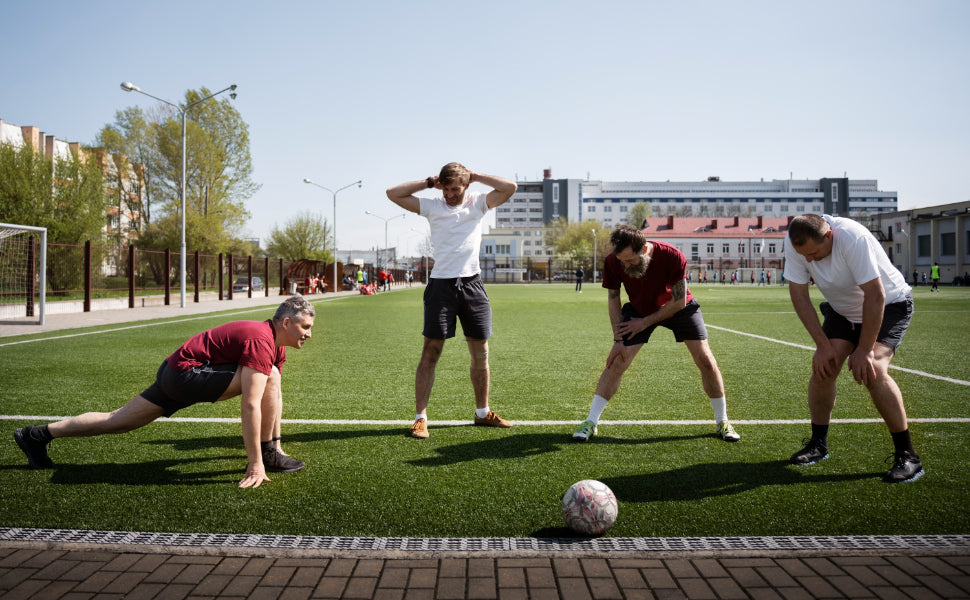
For many families across the country, tossing the pigskin around in the yard is just as essential to the holiday as turkey and pumpkin pie. Exploring why football is a Thanksgiving tradition reveals a deep cultural connection dating back to the late nineteenth century, when college rivalries and holiday parades cemented the sport as the ultimate autumn pastime. While the annual backyard bowl brings generations together for friendly competition, it also brings a high risk of pulled muscles, rolled ankles, and bruised knees—especially for casual athletes who spend most of the year behind a desk. Staying off the injured reserve requires smart preparation, proper protective equipment, and sensible ground rules before the first kickoff.
Warming Up Before the Turkey Bowl Kickoff
Jumping straight from the living room couch into a full-speed sprint is a guaranteed recipe for strains and sprains. Cold muscles and stiff joints lack elasticity, making them vulnerable to sudden pivots and explosive starts. Spending ten to fifteen minutes on a dynamic warm-up routine increases blood flow and prepares the body for the physical demands of the game.
Dynamic Stretching Routine
Static stretching—like holding a toe touch for thirty seconds—can actually temporarily reduce muscle power before exercise. Instead, players should focus on active movements that mimic the motions of football:
- High knees and butt kicks for thirty yards to wake up the hamstrings and hip flexors.
- Walking lunges with a torso twist to open up the hips and core.
- Leg swings, both forward-to-backward and side-to-side, to loosen the groin and glutes.
- Arm circles and shoulder rolls to prepare quarterbacks and receivers for throwing and catching.
Light Passing and Footwork Drills
Once the heart rate is elevated, players should transition into sport-specific movements at fifty percent speed. Running short, crisp routes—such as slants, outs, and curls—helps players test their footing on the grass. Practicing light backpedaling and controlled deceleration drills trains the lower body to absorb force safely when changing direction.
Essential Gear and Joint Protection
Wearing proper attire makes a massive difference in preventing slips, turf burns, and joint instability. Playing in worn-out sneakers or loose loungewear leaves players exposed to preventable accidents. Investing in reliable athletic support ensures everyone can play confidently and comfortably.
Footwear and Traction
Wet morning dew, fallen autumn leaves, and uneven lawn terrain create slippery conditions. Rubber-molded cleats provide superior grip on natural grass without being overly aggressive. If cleats are unavailable, sturdy trail-running shoes or cross-trainers with deep tread patterns offer much better lateral stability than flat-soled basketball shoes or casual sneakers.
Targeted Lower-Body Support
The lower extremities absorb the brunt of cutting, jumping, and sudden stops during a game. Incorporating supportive gear into a pre-game routine provides crucial stability:
-
Ankle Stability: Rolling an ankle on an uneven patch of grass is the most common backyard injury. High-quality ankle braces for football restrict excessive side-to-side motion while still allowing natural forward-and-backward flexion for sprinting. Lace-up designs or figure-eight strap models fit easily inside most athletic shoes and offer dependable reinforcement.
-
Knee Protection: Sudden decelerations and awkward landings place immense stress on knee ligaments. Wearing supportive football knee braces helps stabilize the patella and surrounding tendons, reducing the risk of twists and hyperextension during sharp cuts.
-
Muscle Compression and Coverage: Cold November air causes muscles to tighten up quickly between plays. Outfitting players in football leg sleeves with anti-slip design keeps the calves and shins warm, promotes healthy circulation, and protects skin from scrapes during dives. The silicone grip bands ensure the sleeves stay firmly in place without bunching up mid-play.
Holiday Gear Gifting
For family hosts looking to elevate the annual game, protective sports gear makes for thoughtful thanksgiving gift ideas. Handing out fresh pairs of athletic socks, compression sleeves, or reliable ankle braces for football before the game starts is a practical way to keep everyone safe while building excitement for the matchup.
✧ Fivali Top Picks
|
Fivali Adjustable Ankle Compression Support Wrap - 2 Pack FAR04
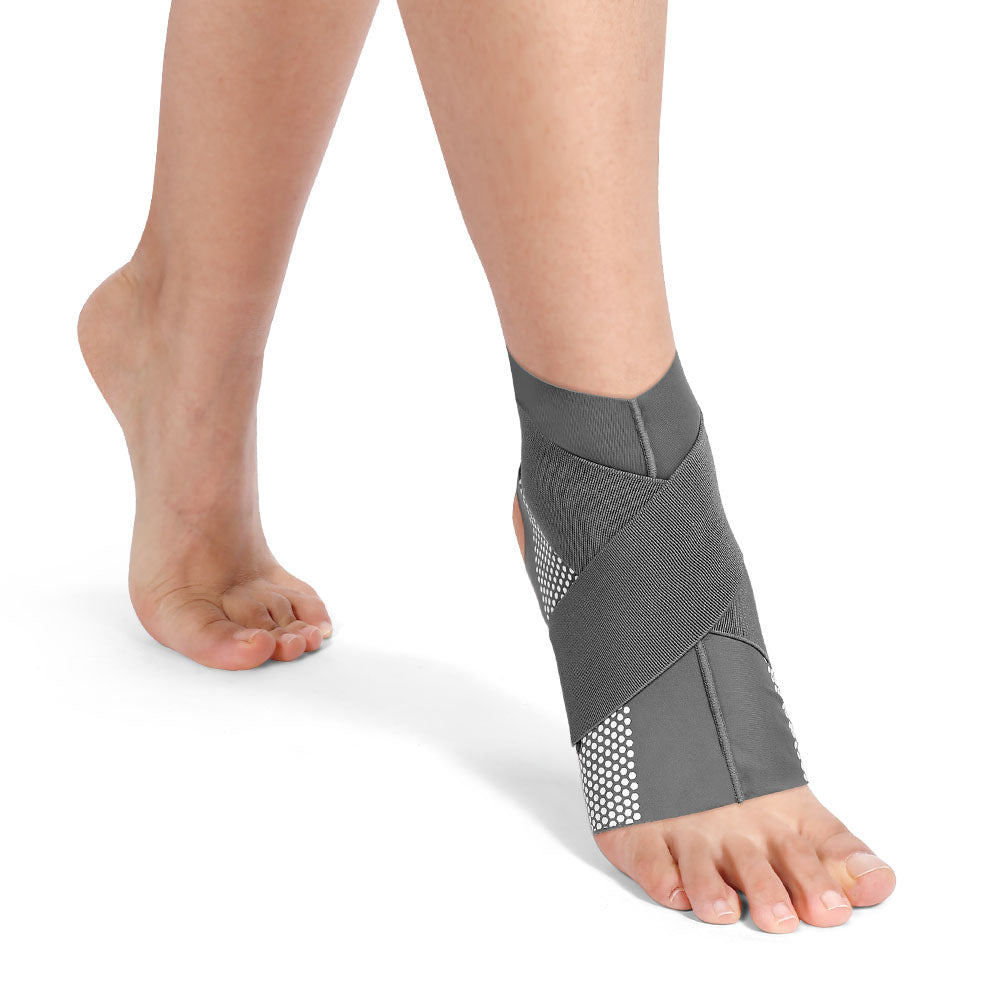 • Cross-Strap Ankle Stability
• Adjustable Support to Fit Your Needs • Compression Without the Bulk • 1 mm Thin and Lightweight for All-Day Comfort • Support for Everyday Walking & Movement |
Fivali Anti-shock Football Compression Knee Sleeve 2 Pack FKR12
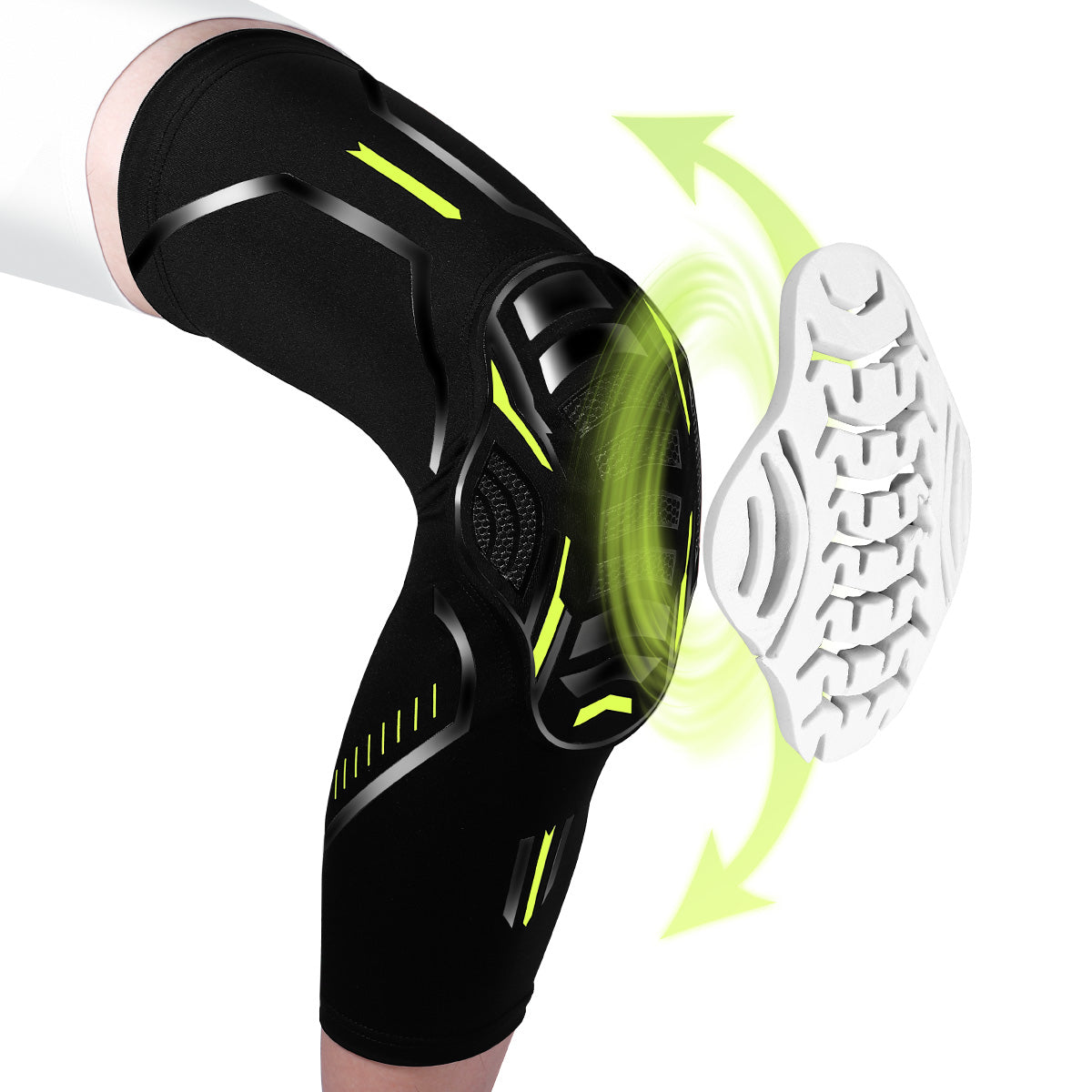 • Elasticity & Breathable 3D Woven Technology
• Anti-Collision EVA Bumper Knee Pad • Non-Slip Silicone Strips for Secure Fit • Comfortable But Durable to Wear • Comfort & Freedom on Active Movement |
Setting Safe Backyard Rules
Backyard football is meant to be fun, not a tryout for a professional roster. Establishing clear, agreed-upon boundaries before the game begins eliminates confusion and prevents reckless collisions.
Switching from Tackle to Two-Hand Touch
Full-contact tackling without helmets and shoulder pads is the fastest way to ruin a holiday dinner. Two-hand touch or flag football preserves all the excitement of passing, catching, and open-field evasion while removing high-impact collisions. Clarify what counts as a valid touch—such as both hands simultaneously on the torso or hips—to avoid arguments and overly aggressive shoving.
Clearing and Marking the Playing Field
Before calling the coin toss, walk the entire yard to inspect the playing surface:
- Remove hazards like fallen branches, hidden rocks, garden hoses, and pet toys.
- Mark clear boundaries using soft plastic cones, towels, or winter hats rather than hard objects.
- Establish a generous buffer zone—at least five to ten yards—between the end zones and nearby fences, trees, driveways, or patio furniture.
- Ban diving catches near hard surfaces or tight sidelines where players cannot slide safely.
Smart Pacing and Hydration Throughout the Day
Holiday schedules often disrupt normal eating and drinking habits, leaving players dehydrated or sluggish before they even step onto the grass. Treating the Thanksgiving game with basic athletic discipline keeps energy levels steady and prevents fatigue-induced mistakes.
Hydration and Pre-Game Fuel
Alcoholic beverages and caffeinated drinks are staples at many holiday gatherings, yet both contribute to dehydration and impaired coordination. Players should drink plenty of water in the hours leading up to kickoff and save celebratory drinks for after the final whistle. Eating a light, balanced snack containing complex carbohydrates and protein—such as toast with peanut butter or a banana—prevents dizziness without weighing players down before the big feast.
Recognizing Fatigue and Rotating Players
Most injuries happen late in the game when tired legs lead to sloppy footwork and delayed reactions. Keeping quarters short—around ten to fifteen minutes each—and substituting players frequently gives everyone time to catch their breath. Combining smart pacing with dependable gear like football knee braces ensures joints remain supported even as energy dips. Trusted athletic brands such as Fivali focus on crafting lightweight, breathable supports that help everyday athletes stay active without feeling restricted.
Cooling Down After the Final Whistle
Once the winning touchdown is scored, resisting the urge to immediately collapse onto the sofa helps prevent next-day soreness and stiffness. A brief five-minute walk around the yard gradually lowers the heart rate, followed by gentle static stretches for the calves, quads, hamstrings, and lower back. Applying ice to any minor bumps or tired joints keeps inflammation down so players can enjoy the rest of the holiday weekend comfortably.
Frequently Asked Questions
Is it safe to play football on Thanksgiving?
Yes, playing Thanksgiving football is very safe when participants stick to non-contact formats like two-hand touch or flag football, inspect the yard for hazards, and warm up properly before playing. Avoiding full-contact tackling and moderating intensity levels dramatically lowers the risk of injury for players of all ages.
What gear do I need for backyard football?
Essential gear includes athletic shoes or rubber-molded cleats with solid traction, weather-appropriate activewear, and supportive accessories. Wearing ankle braces for football, protective football knee braces, and football leg sleeves with anti-slip design provides extra joint stability and muscle warmth on chilly autumn days. These items also double as great thanksgiving gift ideas for sports-loving relatives.
How do you tape your ankle for football?
Start by applying pre-wrap around the lower calf, ankle, and midfoot to protect the skin. Place two anchor strips around the lower leg and one around the arch of the foot, then apply three stirrup strips running from the inside of the leg, under the heel, and up the outside. Finish with two figure-eight wraps and heel locks to secure the joint firmly without cutting off circulation.
Can you play football with a sprained ankle?
Playing football on an unhealed sprained ankle is strongly discouraged because weak ligaments are highly prone to severe re-injury during quick cuts and jumps. A sprained ankle needs adequate rest, swelling reduction, and strength recovery before returning to dynamic sports, even when wearing supportive gear.

Protecting Your Holiday Tradition
Recognizing why football is a Thanksgiving tradition highlights how much joy the sport brings to family gatherings year after year. By combining a thorough dynamic warm-up, sensible backyard rules, and protective gear like supportive braces and sleeves, players can focus on making memorable plays rather than nursing sore joints. Prioritizing safety keeps the competitive spirit alive and ensures everyone makes it to the dinner table healthy, happy, and ready for a second helping of turkey.
-
Veröffentlicht in
Brace, Healthy Lifestyle, sports