Why Limb Size Changes Over Time and When to Measure
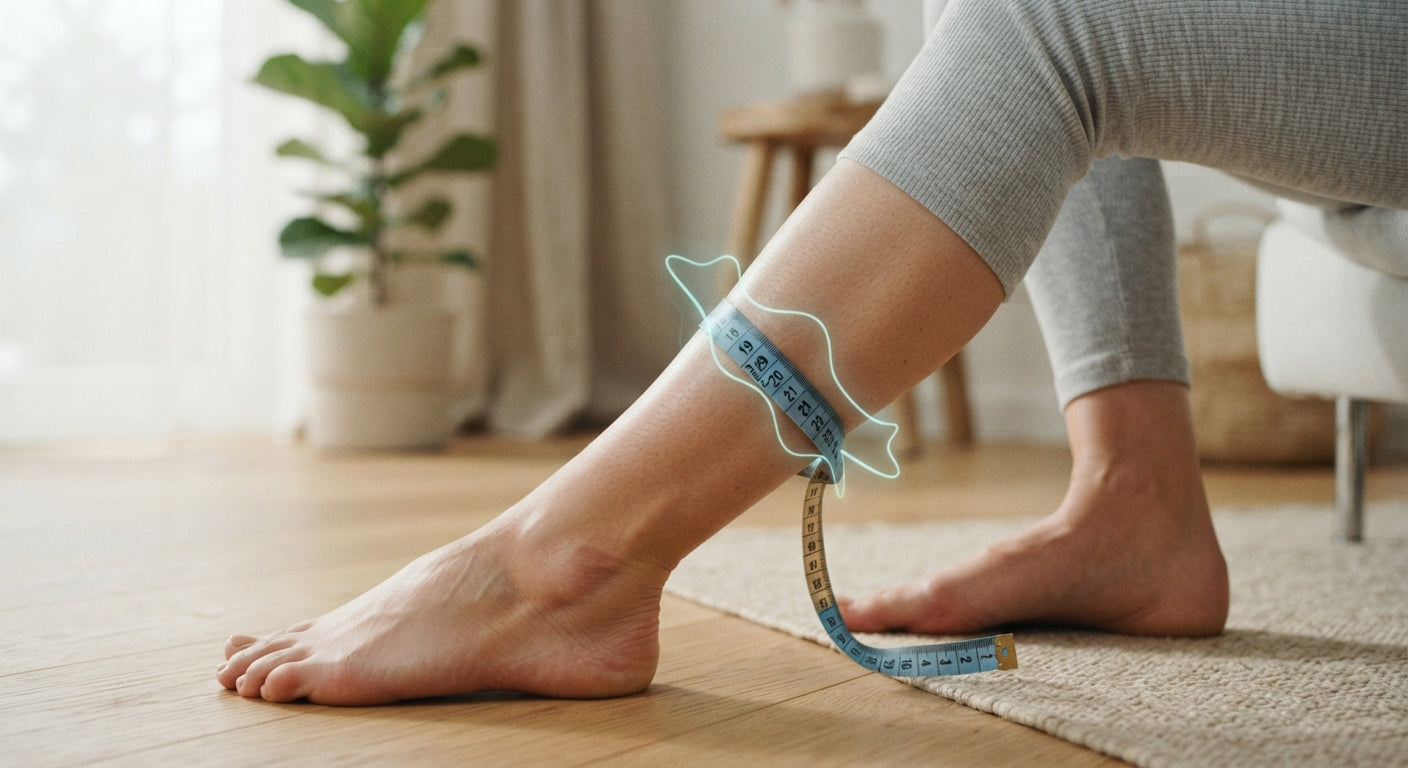
Have you ever noticed that your rings are harder to take off at the end of the day? Or perhaps, after a long Memorial Day weekend hike kicking off the summer season, your calves felt noticeably tighter in your jeans than they did that morning.
If you’ve ever experienced this, you’ve witnessed a fundamental truth about human physiology: our bodies are not static. Throughout the day, after a workout, or following an injury, our limb sizes fluctuate. While this is entirely normal, it creates a unique challenge when it comes to tracking fitness progress or trying to figure out your correct size for supportive activewear.
Understanding why your thighs, calves, and knees change size—and knowing exactly when to pull out the measuring tape—is the secret to tracking true progress and ensuring optimal comfort during your favorite activities.

The Three Hidden Culprits of Temporary Limb Size Changes
To get accurate measurements, we first have to understand what causes our limbs to change size in the short term. It usually boils down to three distinct physiological responses.
1. The Exercise-Induced "Muscle Pump"
If you’ve ever stepped out of the gym feeling like your muscles suddenly grew an inch, you aren't imagining things. This phenomenon is commonly known as the "muscle pump." When you engage in physical activity, your body rapidly pumps blood to the working muscles to supply oxygen and clear out metabolic waste.
This increased blood flow, combined with cellular swelling as fluid is drawn into the muscle cells, temporarily increases the circumference of the limb. This is a sign of a great workout, but it’s not permanent muscle growth, and it will typically subside within a few hours.
2. Post-Injury Swelling (Edema and Inflammation)
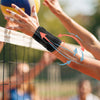
Unlike the temporary pump of a workout, post-injury swelling (edema) is your body’s protective healing response. When tissue is damaged—say, a harsh landing leading to a volleyball ankle injury—your immune system rushes white blood cells and fluid to the area.
This fluid accumulation serves to protect the joint and facilitate healing, but it significantly alters the size of the limb. During recovery, a common question is how long does a sprained ankle stay swollen before it returns to its baseline size. Depending on the severity, inflammatory swelling can last anywhere from a few days to several weeks, meaning measurements taken during this window will not reflect your normal anatomical baseline.
3. Diurnal Fluid Shifts (The Time-of-Day Effect)
You are literally a different size at 8:00 AM than you are at 8:00 PM. This is due to "diurnal fluid shifts." Throughout the day, gravity subtly pulls fluids down toward your lower extremities. Combined with daily hydration levels and time spent standing or sitting at a desk, it is incredibly common for your calves and ankles to be slightly larger in the evening than they were when you first woke up.
How to Tell What's Happening in Your Body
Differentiating between these three changes is crucial for your peace of mind and your physical health:
- The Healthy Pump: Happens immediately during or after exercise, affects the specific muscles worked, and fades quickly.
- The Daily Shift: Happens gradually throughout the day, mostly affects the lower legs and feet, and resets after a night of horizontal sleep.
- Injury Swelling: Persists for days, is localized to a joint or specific muscle, and is often accompanied by pain or warmth. If you feel hot below knee joints or experience sudden, severe swelling with discoloration, it's time to see a doctor. In rare cases of unexplained, severe localized swelling, people often panic and wonder, can wearing a knee brace cause blood clots? (Note: While overly tight, restrictive garments worn for prolonged periods can impact circulation, sudden severe swelling is a medical red flag that requires a professional diagnosis, not just loosening a strap).

The Golden Rules of Limb Measurement
Because our limbs are constantly adapting to our environment and activity, knowing how to measure is just as important as knowing when. Whether you are tracking muscle growth or trying to find the best knee brace for large thighs, standardization is your best friend.
Rule 1: Master the Setup
Always use a flexible, non-elastic measuring tape (like a tailor's tape). A metal retractable tape will not contour to your body and will yield inaccurate results.
Rule 2: Find Your Landmarks
Don't just measure "somewhere on the thigh." Find a repeatable anatomical landmark.
- For the knee: Measure directly across the center of the kneecap (patella) while standing with a slight bend in the leg.
- For the calf/thigh: Measure at the absolute widest point of the muscle.
- For the ankle: Learning how to measure ankle circumference usually involves measuring right above the ankle bone (malleolus).
Rule 3: Control the Tension
The tape should lie flat against your skin—snug enough that it doesn't slip, but loose enough that it doesn't indent the skin. If it pinches, it’s too tight.
When to Measure and When to Re-Measure: A Practical Guide
The timing of your measurement dictates its usefulness. Here is a simple framework for deciding when to take out the measuring tape based on your goals.
Scenario A: Sizing for Activewear and Support Gear
If you are consulting a knee brace size chart or figuring out knee sleeve sizing, you want your baseline measurement.
- When to measure: In the morning, shortly after waking up, before you've done any significant physical activity or spent hours on your feet.
- Should you size up for swelling? If you are recovering from an acute injury and currently experiencing significant swelling, hold off on buying a perfectly fitted rigid support if possible. Wait until the acute swelling has largely subsided so you get an accurate fit for long-term use. For flexible, compression-based knee braces or sleeves meant to manage minor daily swelling, measure at your baseline; the fabric is designed to stretch and accommodate slight fluctuations.
Scenario B: Tracking Fitness and Muscle Growth
If you are measuring to see if your new leg-day routine is working, consistency is the only thing that matters.
- When to measure: Pick a specific day of the week and a specific time (e.g., Friday mornings, fasted, right after getting out of bed).
- When to re-measure: Once every 2 to 4 weeks. Daily measurements will only show you fluid shifts, not true tissue growth.
Scenario C: Monitoring Injury Recovery
Tracking the circumference of an injured joint can be a great way to monitor your healing progress.
- When to measure: Measure both the injured limb and the healthy limb at the same time of day (preferably midday) to compare the difference.
- When to re-measure: Every 2 to 3 days to ensure the swelling trend is going down, not up.

Frequently Asked Questions About Limb Size Changes
Q: Are tape measurements completely accurate?
A: Tape measurements are fantastic for tracking personal trends, but they have limitations. Small user errors (measuring a slightly different spot, pulling the tape too tight) can change the result by a quarter of an inch. That's why taking an average of three measurements in one sitting is considered best practice.
Q: Should I measure while flexing or relaxed?
A: For sizing guides and injury tracking, always measure with the muscle completely relaxed. If you are tracking bodybuilding progress, you can measure flexed, as long as you are consistent every single time.
Q: Why is my left leg bigger than my right?
A: A slight discrepancy (up to half an inch) between your dominant and non-dominant side is entirely normal and usually a result of subtle daily movement habits or favoring one leg during sports.
Embracing Your Dynamic Body
Understanding that your body is a dynamic, fluid system changes the way you look at fitness and recovery. A sudden increase in calf size after a run isn't magic muscle growth, and tighter-fitting shoes in the evening aren't a sign of weight gain—they are just the brilliant, temporary physiological responses of a body in motion.
By respecting these natural fluctuations and following standardized rules for when and how to measure, you empower yourself to make informed decisions. Whether you're tracking your rehabilitation progress, hunting for the perfect supportive gear, or just trying to understand your own anatomy better, taking control of your measurements is the first step toward a more active, pain-free lifestyle.