The Ultimate Guide to Plus Size Knee Braces That Won't Roll Down
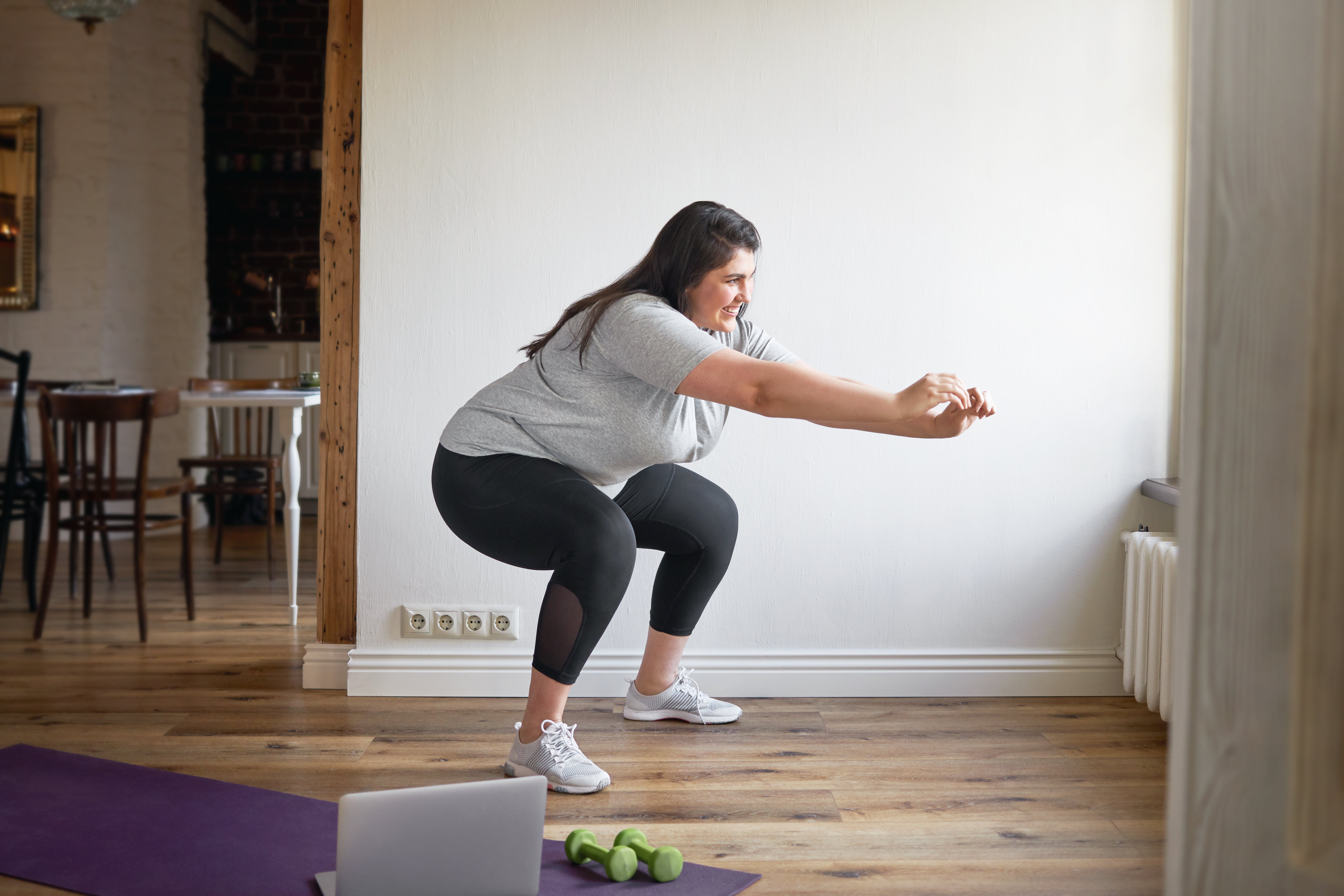
Tired of knee braces that roll down, pinch, or simply don’t fit? You're not alone. For too long, the search for a truly effective plus-size knee brace has been a frustrating exercise in trial and error. You're looking for support that empowers you to move confidently, not a constant distraction you have to readjust. This guide cuts through the noise and generic advice to provide a clear framework for finding a brace that delivers on its promises.
Finding the right support isn't just about comfort; it's critical for your health. Research shows that obesity can predict a 2.8 times higher risk of developing severe knee pain. This makes finding a brace that fits properly and provides real stability an absolute necessity for maintaining an active, healthy life. We understand that standard braces, often just scaled-up versions of smaller designs, fail to address the unique anatomy of larger legs. They slip, they gap, and they don't provide targeted support where you need it most.
This guide will walk you through the non-negotiable features a plus-size brace must have and show you how a thoughtfully engineered design can make all the difference.

Decoding What Makes a Plus-Size Knee Brace Truly Effective
When you're evaluating options, many brands make similar claims about comfort and support. However, user reviews frequently tell a different story, with complaints about slippage and poor fit being the most common. The problem is that simply making a brace "bigger" doesn't work. True effectiveness comes from a design that intentionally addresses the specific challenges of plus-size bodies.
Here are the four pillars of a superior plus-size knee brace.
1. Sizing and Fit Beyond the Tape Measure
The most common failure point for standard braces is sizing. A generic sizing chart often doesn't account for the natural variations in leg shape, leading to a brace that’s tight on the thigh but baggy around the knee.
- Proportional Sizing: Look for a brand that offers specific measurements for both the thigh and calf. This ensures the brace is engineered to fit the entire contour of your leg, not just one circumference point. This proportional approach is the key to preventing gapping and bunching.
- Anatomical Design: A well-designed brace will have a slightly flared top to accommodate larger thighs comfortably without creating a "muffin-top" effect or digging into your skin. This simple but crucial detail is often overlooked in one-size-fits-all designs. If you've struggled to find the best knee brace for large thighs, this anatomical consideration is likely what you’ve been missing.
2. The Non-Negotiable: Anti-Slip Technology That Actually Works
"It won't stay up" is the number one complaint about plus-size knee braces. Many brands claim to have "non-slip" features, but simple silicone dots are often no match for the forces of gravity and movement on larger legs. This is where material science and thoughtful design become critical.
- The Rubber Pad Difference: At Fivali, we’ve engineered our Plus Size Knee Brace for Sports with Rubber Pad with a specialized internal rubber pad. Unlike thin silicone strips, this robust pad creates significant surface friction against the skin, anchoring the brace securely in place.
- Strategic Anchoring: This isn't just about sticky material. The pad works in concert with adjustable straps and a 4-way stretch fabric that provides firm, even compression. This system creates a secure lock that holds fast whether you're walking, running, or playing sports. It’s a complete system designed to solve the slippage problem for good.
3. All-Day Comfort and Breathability
A brace is only effective if you can wear it comfortably for extended periods. Thick, bulky materials can cause sweating, chafing, and skin irritation, especially behind the knee where fabric tends to bunch.
- Advanced Materials: Look for modern, breathable fabrics like advanced air knit that wick moisture away from your skin. These materials provide medical-grade compression without the bulk and heat of traditional neoprene.
- Ergonomic Construction: The back of the knee should be free of thick seams or pads. A well-constructed brace is designed to move with you, preventing uncomfortable bunching when you bend your leg.
4. Robust Support Tailored to Your Needs
Finally, the brace must provide meaningful support. For larger individuals, this means a design that can effectively distribute weight, stabilize the joint, and alleviate pain.
- Integrated Stabilizers: Flexible side stabilizers offer medial and lateral support, preventing your knee from buckling or twisting without restricting your natural range of motion. This is crucial for anyone feeling instability during daily activities.
- Targeted Patella Protection: A patella gel pad helps absorb shock and keeps your kneecap properly aligned. This is especially beneficial for reducing pain from conditions like arthritis or for providing extra protection during activity. For those looking for the best knee brace for arthritis, this feature is a must-have.
How to Find Your Perfect Fit: A Step-by-Step Guide
Getting the right size is the most important step. Even the best-designed brace will fail if it's the wrong size. Forget generic S/M/L categories and follow this precise method.
- Time Your Measurement: Measure your leg at the end of the day when it might be slightly swollen. This ensures you get a size that remains comfortable around the clock.
- Use a Flexible Tape Measure: Stand in a relaxed position with your leg slightly bent.
-
Measure the Key Points:
- Thigh Circumference: Measure around your thigh 6 inches (15 cm) above the center of your kneecap.
- Calf Circumference: Measure around your calf 6 inches (15 cm) below the center of your kneecap.
- Consult the Sizing Chart: Compare both measurements to the brand's specific sizing chart. If you are between sizes, it’s generally better to size down for a snugger, more compressive fit.

Fivali vs. The Rest: A Clear Comparison
When evaluating your options, here’s how Fivali’s thoughtful design for larger bodies stacks up against the common pitfalls of other braces.
| Feature | Common Competitor Issues | The Fivali Advantage |
|---|---|---|
| Non-Slip Performance | Thin silicone strips that fail under pressure. Frequent user reviews complaining of rolling and sliding. | Specialized, wide rubber pad provides superior grip and works with straps to create a secure anchor. |
| Sizing & Fit | Generic "bigger" sizing leads to gapping at the knee or being too tight on the thigh. | Proportional sizing for both thigh and calf, with a flared top design, ensures a true anatomical fit. |
| All-Day Comfort | Bulky neoprene material that causes sweating, chafing, and bunching behind the knee. | Lightweight, breathable air knit fabric wicks moisture and moves with your body for irritation-free wear. |
| Targeted Support | Basic compression sleeves that lack structural support for genuine stabilization. | Integrated side stabilizers and a patella gel pad provide robust, multi-point support for pain relief and injury prevention. |
Frequently Asked Questions
Q1: What makes a plus-size knee brace different from a regular one?
A true plus-size knee brace is engineered specifically for larger legs, not just scaled up from a smaller size. Key differences include proportional sizing that provides distinct measurements for both the thigh and calf to prevent gapping, an anatomically flared top to comfortably accommodate larger thighs without digging in, and advanced anti-slip technology designed to handle the unique pressures and contours of a plus-size frame.
Q2: Why do most plus-size knee braces roll down, and how can I find one that doesn’t?
Most braces roll down because they rely on simple silicone strips that can't provide enough friction, or they are not sized proportionally, causing them to slip when you move. To find one that stays in place, look for a multi-faceted anti-slip system. An effective design, like Fivali's, combines a wide, high-friction internal rubber pad with adjustable straps and 4-way stretch compression fabric. This creates a secure anchor that locks the brace in place during all-day wear and activity.
Q3: How do I measure my leg correctly for a plus-size knee brace?
For an accurate fit, forget generic S/M/L sizing. Use a flexible tape measure on your bare leg at the end of the day. Stand with your leg slightly bent and measure two key points: your thigh circumference 6 inches above the center of your kneecap, and your calf circumference 6 inches below the center of your kneecap. Compare both of these measurements to the brand's specific sizing chart to find your perfect size.
Q4: What support features are most important in a plus-size knee brace?
Look for features that provide robust, multi-point support. Flexible side stabilizers are crucial for offering medial and lateral stability to prevent the knee from twisting or buckling. Additionally, a targeted patella gel pad is essential for absorbing shock, keeping the kneecap aligned, and reducing pain from conditions like arthritis. Together, these features offer comprehensive support without restricting your natural movement.
Q5: Can I comfortably wear a plus-size knee brace all day?
Yes, but only if it's made from the right materials. Avoid bulky neoprene, which traps heat and can cause sweating and chafing. Instead, choose braces made from modern, lightweight, and breathable fabrics like advanced air knit. These materials provide medical-grade compression while wicking moisture away from the skin, ensuring you stay comfortable and irritation-free, even after hours of continuous wear.
The Confidence to Move Freely
Choosing the right knee brace is about more than just alleviating pain—it’s about reclaiming your freedom and confidence to live an active life. Stop settling for products that weren't designed for you. By focusing on the critical pillars of proportional sizing, effective non-slip technology, all-day comfort, and robust support, you can find a solution that finally meets your needs.
Explore our full range of thoughtfully designed knee braces for bigger legs and take the first step toward comfortable, confident movement today.