Your Custom-Like Fit Starts Here The Ultimate Guide to Understanding Knee Brace Sizing Charts

You’ve found yourself at a crossroads. Your knee needs support, comfort, and stability, whether you're battling chronic pain, recovering from an injury, or pushing your limits in sports. You know a knee brace is the answer, but the thought of deciphering sizing charts and hoping for a "custom-like" fit from an online purchase feels daunting. You’re not alone. Many individuals, especially those with diverse body types, face this very hurdle.
The truth is, an incorrectly sized knee brace isn’t just uncomfortable—it can prevent the brace from being effective, increase your risk of further injury, and even cause issues like skin irritation or numbness. It’s a crucial decision, and you deserve a fit that feels like it was made just for you, even with an off-the-shelf solution. This guide will empower you to confidently navigate knee brace sizing, ensuring your next purchase provides the exact support you need.
The Foundation: Essential Measurements for Every Body Type
Achieving a truly effective and comfortable fit begins with accurate measurements. While manufacturers may have slight variations, the most reliable approach is to follow their specific guidelines. Typically, this involves measuring your thigh circumference at a specific distance above your kneecap.
Here’s how to get it right:
- Locate Your Mid-Patella (Kneecap Center): Sit or stand with your leg slightly bent (about 30 degrees). Find the middle of your kneecap. This is your reference point.
- Measure Thigh Circumference: From your mid-patella, measure up 6 inches (or about 15 cm) on your thigh. Mark this spot. Then, wrap a flexible measuring tape around your thigh at this mark. Make sure the tape is snug but not tight, and parallel to the floor. This is your primary measurement.
- Measure Calf Circumference (If Applicable): Some braces, especially those offering full leg compression or with lower straps, might require a calf measurement. Again, from your mid-patella, measure down 6 inches (or 15 cm) to find your calf reference point. Wrap the tape around your calf at this spot.
- Note Other Considerations: Depending on the brace type, you might need to measure your knee joint circumference directly over the kneecap, or even your overall height and weight as general physiological factors that can influence fit.
A Quick Tip: If you're struggling to keep the tape parallel or making repeated errors, consider asking a friend for help. Many common mistakes when measuring for a knee brace can be avoided with a second set of eyes, ensuring you start with precise data.
Demystifying the Numbers: How to Read and Interpret Any Knee Brace Sizing Chart
Once you have your measurements, the next step is to translate them into the correct brace size using a manufacturer's chart. These charts can vary in layout, but the principles remain consistent.
Understanding the Layout
Most sizing charts will list sizes (S, M, L, XL, etc.) down one column and corresponding measurement ranges (in inches or centimeters) in another. You'll typically find a range for your thigh circumference, and sometimes for your calf.
What if You're Between Sizes?
This is a common scenario and a crucial decision point. If your measurement falls exactly between two sizes, here's how to think about it:
- For a Tighter, More Compressive Fit: If you prefer a snugger feel for enhanced compression, often beneficial for athletic performance or mild support, consider sizing down. This can be especially true for compression knee sleeves.
- For General Support and All-Day Comfort: If you prioritize comfort, especially for longer wear times or conditions like arthritis where excessive pressure might be uncomfortable, sizing up might be the better choice. It's often better to have a slightly looser fit that can be adjusted than one that's too restrictive.

Achieving the Perfect Match: Special Considerations for Diverse Body Types
Standard sizing charts are built on averages, but human anatomy is anything but average. Patients with conical leg shapes (wider at the thigh, narrower at the calf) or disproportionately larger thigh circumferences often struggle with standard sizing, leading to discomfort or an ineffective brace. This is where understanding your unique body comes into play.
Plus-Size Sizing
For those with larger legs, finding a brace that offers adequate support without pinching or rolling can be particularly challenging. Fivali recognizes this critical need, offering a wide array of sizes, including options specifically designed as knee braces for large legs. When seeking a plus-size knee brace, beyond the standard 6-inch thigh measurement, also consider:
- Extended Sizing Systems: Look for brands that offer extended sizing (XL–8XL) and provide a detailed plus size knee braces buyers guide to ensure you're getting a truly inclusive fit.
- Adjustability: Braces with multiple straps or highly elastic materials can accommodate a wider range of shapes and allow for personalized adjustment. If you have wider legs, understanding how to fit a knee support for wider legs will be essential.
- Material Stretch: Some materials offer more give without sacrificing compression, which can be beneficial for larger limbs.
Conical Leg Shapes and Muscular Builds
- Conical Legs: If your leg tapers significantly, a brace sized for your thigh might be too loose around your calf or knee joint, leading to slippage. Conversely, a brace sized for your calf might be too tight at the thigh. Look for braces with tapered designs or highly adjustable straps that can be tightened independently at different points.
- Muscular Thighs: Athletes with well-developed musculature might find standard sizes restrictive, even if their measurements fall within the range. They may benefit from sizing up if their muscle mass creates a very firm circumference, or choosing a brace made from a more flexible yet supportive material.
The Material Difference: How Brace Fabrics and Designs Impact Your Fit (and Sizing)
The material composition and design of a knee brace significantly influence its flexibility, compression, breathability, and stiffness—all of which affect the optimal fit and sizing.
- Compression Sleeves (Knit or Elastic): Often made from flexible, breathable knit fabrics or elastic blends, these braces offer mild to moderate compression. They stretch to conform to your leg, so precise measurements are crucial, but they are more forgiving if you're slightly between sizes. For a firmer hold, you might size down, as advised by some guidelines for compression products. Understanding how to measure for knee sleeves is key here.
- Neoprene Braces: Known for warmth and strong compression, neoprene offers good support but less stretch than elastic knits. A proper fit is paramount to avoid overheating or excessive constriction. If your measurements are at the higher end of a size, it might be wise to size up to prevent discomfort.
- Hinged Braces: These typically feature rigid frames with hinges for lateral stability. Sizing involves not just circumference but also length, ensuring the hinges align with your knee joint without restricting movement or causing pressure points. An improper fit can make a hinged brace ineffective or even harmful.

Troubleshooting Your Fit: What to Do When Your Brace Doesn't Feel Right
Even with careful measuring, sometimes a brace might not feel quite right. This is where a little troubleshooting can save the day.
Common Fit Issues and Solutions:
-
Sliding or Bunching:
- Issue: The brace constantly slips down or bunches up, especially behind the knee.
- Solution: It might be too large. Consider sizing down if your measurements were on the cusp. Also, ensure the anti-slip features (silicone strips) are correctly positioned against clean, dry skin. For knee sleeve sizing, a snug fit is often better to prevent migration.
-
Pinching, Redness, or Numbness:
- Issue: The brace feels too tight, causes skin irritation, or leads to numbness/tingling.
- Solution: It’s likely too small or overtightened. Loosen straps if possible, or consider sizing up. Wearing an excessively tight brace can compromise circulation and cause discomfort.
-
Limited Range of Motion:
- Issue: The brace restricts natural movement beyond what's intended for support.
- Solution: Check if the brace is correctly aligned. For hinged braces, ensure the hinges match your knee's axis. If it's a compression sleeve, ensure it's not pulled too high or low. You may have the wrong type of brace for your activity.
-
Ineffective Support:
- Issue: Despite wearing the brace, you still feel instability or pain.
- Solution: The brace might be too loose, or it might not be the right type for your specific condition. Re-measure to confirm sizing. If you're dealing with a specific condition, like what is a patella knee brace and how does it work for patellar issues, ensure you've selected the correct design. Sometimes, if your knee burns, this could be a symptom of an underlying issue or an ill-fitting brace.
Fivali's Commitment to Your Comfort: Finding Your Fit with Our Wide Range & Detailed Charts
At Fivali, we understand that a truly supportive brace is one that fits perfectly. That's why we're dedicated to providing high-quality, comfortable sports braces in an expansive range of sizes, including comprehensive options for larger legs. Our detailed knee brace sizing guide and specific product pages are designed to empower you with the information you need.
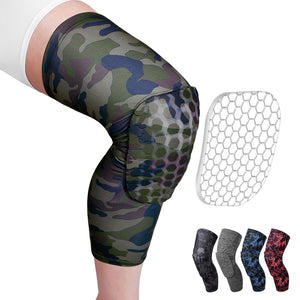
For example, our Fivali Plus Size Knee Brace for Sports with Rubber Pad is engineered to provide exceptional support and comfort for those who often struggle with standard sizing. We also offer options like the Fivali Compression Sports Knee Brace, where a custom-like fit is achieved through precise sizing and the material's adaptive compression. Our commitment extends to helping you choose the right size knee brace for comfort and also how to make sure your knee brace fits comfortably throughout the day, ensuring you can stay active and injury-free. Explore our collections like XL knee brace options to see our full commitment to diverse sizing.
Frequently Asked Questions About Knee Brace Sizing
Q: Can I use the same measurements for all types of knee braces?
A: While your core thigh measurement (6 inches above the patella) is a good starting point for most braces, some specialized braces, like hinged or custom-fit options, may require additional measurements (e.g., calf, ankle, specific length measurements). Always refer to the specific manufacturer's chart for the brace you're considering.
Q: How often should I re-measure my knee?
A: It's a good idea to re-measure if you experience significant weight fluctuations, changes in muscle mass due to training or injury recovery, or if your current brace starts to feel uncomfortable or ineffective. Even slight changes can impact fit.
Q: What if I have swelling? Should I measure with or without it?
A: If you have temporary swelling due to an acute injury, it's generally best to measure your knee at its "normal" or least swollen state, if possible, for long-term comfort. However, if you anticipate wearing the brace primarily during a swollen period (e.g., immediate post-injury), you might need to factor in some allowance or look for highly adjustable braces. Consult with a healthcare professional for specific guidance in injury recovery situations.
Q: How do I know if my knee brace is too tight?
A: Signs of a brace being too tight include pinching, pain, numbness, tingling, coldness, or changes in skin color (blue or white) below the brace. It should feel snug and supportive, but never uncomfortable or restrictive of circulation.
Q: How do I choose the right size knee brace for sports?
A: For sports, a snug, secure fit is often preferred to prevent movement and provide maximum support during dynamic activities. If you fall between sizes, you might lean towards sizing down for a compression brace, but always prioritize comfort and unrestricted movement.
Conclusion: Confidence in Every Step - Your Journey to a Custom-Like Knee Brace Fit
Understanding knee brace sizing charts doesn't have to be a guessing game. By taking accurate measurements, understanding how to interpret charts, and recognizing the unique needs of your body type, you can achieve a custom-like fit that provides optimal support and comfort.
Your journey to an active, pain-free life is important to us. Take the next step with confidence. Visit Fivali's comprehensive product pages today to explore our wide range of knee braces and find the perfect fit designed to support your active lifestyle.