What Is the Best Support for Weak Ankles?
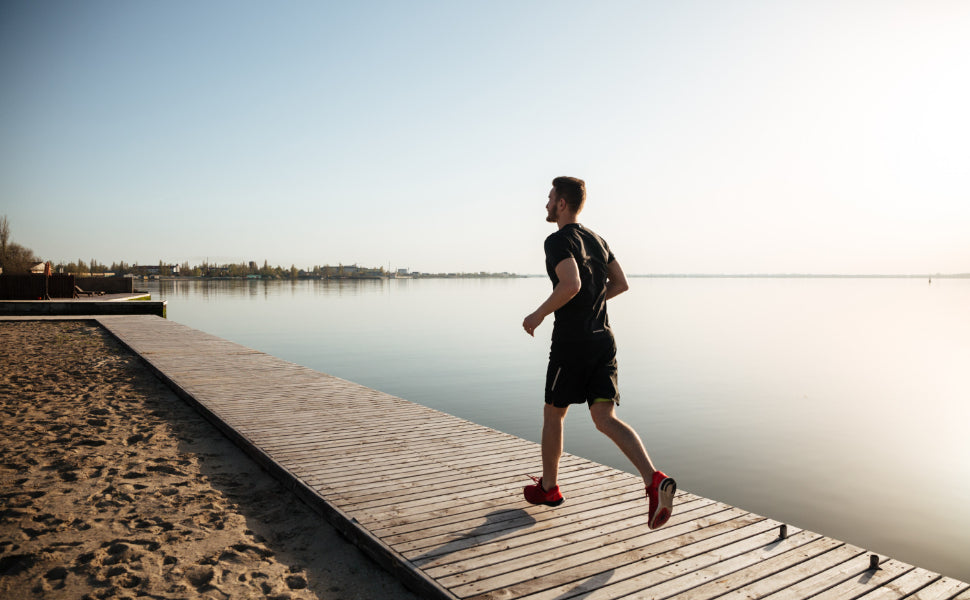
Ankle stability plays a central role in every stride, jump, and pivot. For runners and court athletes dealing with recurring sprains or chronic instability, finding the best ankle support brace makes a noticeable difference in daily performance and active recovery. A proper brace minimizes excessive lateral roll, compresses tissue to improve awareness, and restores control without restricting normal forward movement.
Choosing the right support requires understanding specific design features, activity requirements, and structural mechanics. Modern options range from flexible sleeves for low-impact recovery to rigid lace-up devices designed for intense directional changes.
Structural Features of High-Performance Ankle Braces
Selecting effective support involves examining how specific structural components protect vulnerable ligaments during movement.
Compression Sleeves and Elastic Wrap Systems
Compression sleeves generate gentle, continuous pressure around the joint. This localized compression promotes blood circulation, reduces minor swelling, and enhances proprioception—the brain's ability to sense joint position. Elastic wrap extensions allow custom tension adjustments, offering lightweight protection suited for distance running or everyday walk routines.
Lace-Up Designs with Crossing Straps
Lace-up systems combine a durable fabric boot with figure-eight external straps. The laces secure the main sleeve closely against the foot, while the crossing straps mimic the support of athletic taping. This structure locks the heel in place and limits inversion and eversion movements, making it a reliable best ankle support brace choice for unpredictable terrain or trail running.
Hinged and Semi-Rigid Shell Supports
Hinged braces feature rigid plastic or composite side guards joined by a pivot point near the ankle bone. This configuration provides maximum lateral restriction to prevent sudden rolls while allowing full dorsiflexion and plantarflexion. Athletes recovering from moderate sprains often rely on these hard-shell designs during high-impact activities.
Activity-Specific Selection Criteria
Different activities subject the foot and lower leg to unique physical demands, making activity-specific design selection essential.
Support Considerations for Runners
Runners require linear mobility alongside targeted lateral stabilization. Excessively bulky braces alter stride mechanics and cause friction hotspots inside running shoes. A stream-lined best ankle support brace featuring breathable synthetic materials provides targeted lateral stability without adding unnecessary weight or disrupting smooth heel-to-toe transitions.
High-Impact Needs for Court Athletes
Court sports involve constant jumping, hard cuts, and sudden stopping forces that stress lateral ligaments. A high-traction ankle brace for basketball players utilizes dual-strap reinforcement to withstand powerful side-to-side forces during aggressive rebounds and rapid direction shifts. The added side tension prevents painful rolling when landing on uneven surfaces or another player's foot.
Vertical Landing Protections in Volleyball
Volleyball involves intense vertical jumping and landing close to the net, where ankle injuries occur frequently. The best ankle brace for volleyball players balances strict lateral stabilization with flexible vertical hinge tracking, ensuring smooth jump takeoffs while guarding against inversion upon landing.
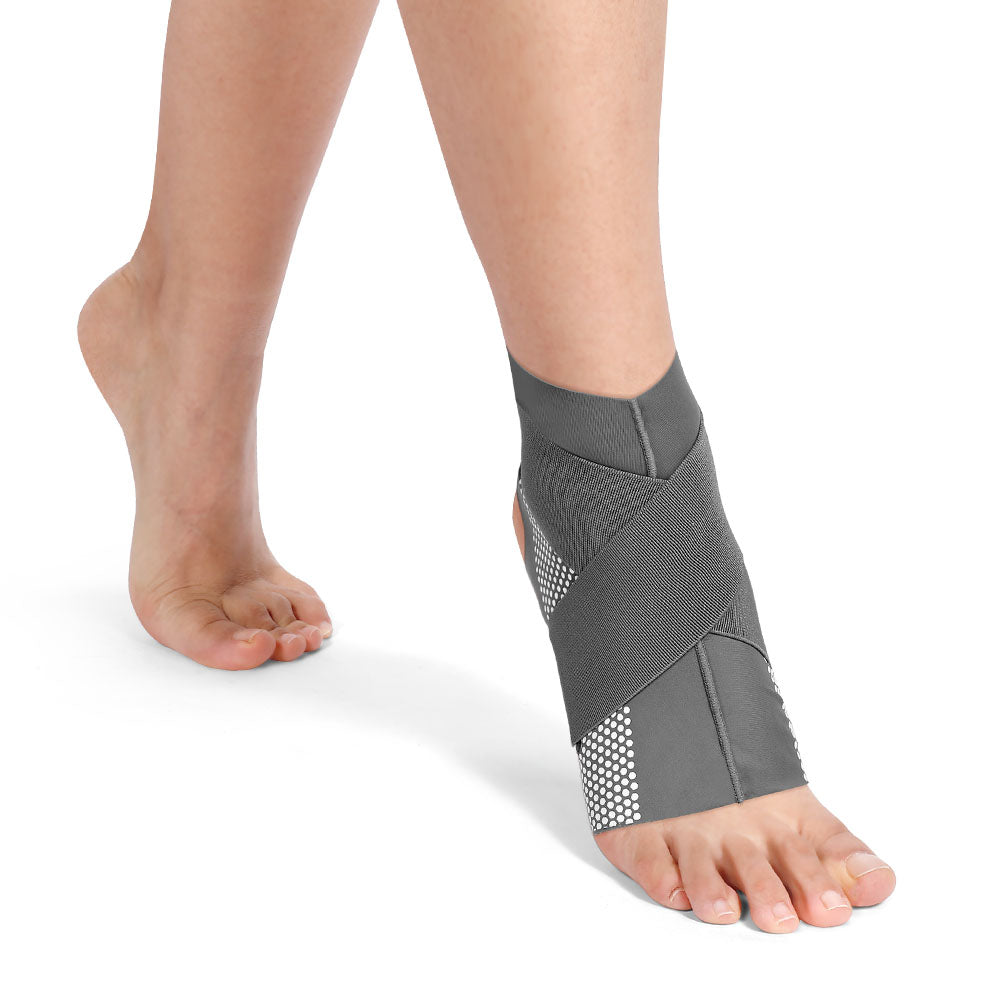
✧ Fivali Adjustable Ankle Compression Support Wrap - 2 Pack FAR04
- Cross-Strap Ankle Stability
- Adjustable Support to Fit Your Needs
- Compression Without the Bulk
- 1 mm Thin and Lightweight for All-Day Comfort
- Support for Everyday Walking & Movement
- Speed Up Ankle Recovery & Pain Relief
Key Material and Comfort Factors
Material construction dictates how long a brace maintains its protective shape and comfort level during extended use.
Breathability and Moisture Management
Heat and moisture accumulation cause skin irritation and fabric slipping during long workouts. Modern supports incorporate perforated neoprene, moisture-wicking synthetic mesh, or specialized air-channel linings. Moisture-wicking fabrics keep the skin dry, reducing friction against shoe collars.
Profile Depth and Shoe Compatibility
A support unit must fit comfortably inside standard athletic footwear. Bulky hinges or extra-thick padding often require widening shoe laces or sizing up, which affects overall foot stability. Slim-profile designs allow standard shoe fitment while preserving protective integrity.
Durability and Strap Integrity
High-tension hook-and-loop fasteners, reinforced stitching, and abrasion-resistant fabrics ensure a brace retains structural tension over months of regular use. Brands like Fivali focus on durable strap systems that maintain consistent tension through repeated washings and rigorous training sessions.
Practical Steps for Application and Fitting
Proper application ensures the protective features function as intended without restricting circulation or movement.
Correct Placement and Lacing
Align the heel opening precisely around the back of the foot before securing any fasteners. Pull laces or main closures evenly from the toes up toward the shin, ensuring a snug fit without tight pressure points.
Strap Tensioning and Cross Wrapping
When securing figure-eight straps, pull each strap upward and across the top of the foot with firm, balanced tension. Anchor the straps securely along the sides of the ankle to lock the heel into a neutral position.
Testing Mobility Within Footwear
Put on running shoes or court sneakers after fitting the brace. Walk, jog in place, and perform minor side steps to confirm that the foot feels supported, secure, and free from pinch points inside the shoe.
Maintenance and Care for Long-Term Functionality
Regular maintenance preserves the elasticity, structural strength, and hygienic condition of ankle support gear.
Cleaning Synthetic Materials
Hand wash fabric sleeves and strap components using cool water and mild laundry detergent. Avoid harsh bleaches or fabric softeners, which break down elastic fibers and weaken hook-and-loop fasteners over time.
Drying Procedures
Air dry all components thoroughly in a shaded, well-ventilated area. Direct heat sources like dryers or intense sunlight degrade rubber materials, warp plastic hinges, and shrink synthetic fabrics.
Inspecting for Wear and Tear
Check straps, seams, and hinge points regularly for signs of fraying or loosened stitching. Replace worn units promptly when strap tension slips or structural panels lose rigidity during movement.
Finding the Ideal Balance for Long-Term Stability
Finding the ideal support requires matching joint stabilization features with specific movement demands. Lightweight compression wraps provide mild support for linear running, while reinforced lace-up models and hinged shells deliver robust protection against sharp lateral cuts on the court. Selecting a breathable, durable design that fits comfortably inside athletic shoes provides reliable stabilization, helping athletes train confidently across every surface.
-
Veröffentlicht in
ankle, Ankle Injuries, Brace