What Triggers Carpal Tunnel Flare-UPS?
Dealing with sudden wrist pain, numbness, or a persistent tingling sensation in the fingers can stall progress in the gym and make everyday tasks feel overwhelming. For athletes, powerlifters, and fitness enthusiasts, these symptoms often point to carpal tunnel syndrome—a condition caused by median nerve compression inside the narrow passage of the wrist.
While heavy lifting builds strength, poor mechanics, repetitive strain, and improper wrist positioning can act as major triggers for sudden flare-ups. Identifying what causes these painful episodes is the first step toward protecting joint health and maintaining consistent performance.
Primary Mechanical Triggers in Strength Training
Strength training places high demands on the wrists, hands, and forearms. When technique breaks down or joint angles are compromised, pressure inside the carpal tunnel spikes dramatically.
Excessive Wrist Extension Under Load
One of the most frequent mechanical causes of median nerve aggravation is performing heavy pushes with extended wrists.
-
Bench Pressing: Allowing the barbell to settle deep into the palm with the wrist bent backward creates immense leverage against the carpal tunnel.
-
Overhead Presses: Supporting heavy loads overhead in excessive extension compresses the median nerve against the surrounding flexor tendons.
-
Push-Ups and Planks: Supporting full body weight on flat hands creates a sharp 90-degree angle at the wrist, placing extreme stress on the soft tissues.
Aggressive Forearm Flexion and Grip Stress
Building a massive grip or overtraining the forearm flexors without proper balance can restrict space within the wrist joint.
-
Heavy Deadlifts and Shrugs: Sustained, high-intensity gripping causes flexor tendons to swell, decreasing the space available for nerve pathways.
-
Overused Wrist Curls: Performing excessive isolation movements for forearm flexors creates acute localized inflammation.
-
Thumbless "Suicide" Grips: Attempting to alter grip angles without adequate stability forces minor stabilizing muscles to overwork, leading to tissue strain.

Daily Ergonomic and Habitual Triggers
Fitness routines do not exist in a vacuum. What happens outside the gym often sets the stage for an acute flare-up during a workout.
| Daily Habit / Activity | Impact on Carpal Tunnel | Common Signs of Strain |
| Sleeping with Bent Wrists | Increases nocturnal fluid pressure and flexed joint angle | Morning numbness, waking up shaking hands |
| Prolonged Typing & Mouse Use | Static tension on forearm flexors with constant micro-movements | Dull ache in wrist, reduced grip strength |
| Driving / Holding Steering Wheel | Sustained static grip on hard surfaces | Tingling in thumb, index, and middle fingers |
Sleeping Positions and Nocturnal Pressure
Sleeping with flexed or tucked wrists significantly increases intra-carpal pressure overnight. Waking up with stiff, numb hands is a clear indicator that sleeping posture is aggravating the median nerve. Utilizing a supportive carpal tunnel wrist brace during sleep helps maintain a neutral joint alignment, preventing involuntary bending and allowing irritated tissues to rest overnight.
Typing, Gaming, and Desk Mechanics
Spending hours at a computer keyboard with wrists resting on hard surfaces creates static loading. When combined with heavy evening gym sessions, this continuous strain prevents flexor tendons from recovering, making acute flare-ups much more likely.
Physiological and Training Volume Factors
Beyond biomechanics, training variables and general physical conditions play a critical role in nerve compression.
Training Volume and Inadequate Recovery
-
Rapid Increases in Load: Dramatically boosting weight, sets, or reps without allowing connective tissue to adapt leads to tendonitis and nerve irritation.
-
Lack of Rest Days: Connective tissues recover at a slower rate than muscle fibers. Training high-grip movements daily causes cumulative swelling.
-
Poor Hydration and Fluid Retention: Systemic fluid retention can increase pressure within tight bodily compartments, including the wrist canal.
Muscle Imbalances in the Kinetic Chain
Pain in the wrist does not always start in the wrist. Tightness or weakness along the upper body kinetic chain can alter joint mechanics down the line.
-
Tight Pectorals and Internal Shoulder Rotation: Forward-rolled shoulders pull the arm into an unnatural rotation, altering how force travels down to the hands.
-
Weak Wrist Extensors: Dominant forearm flexors paired with underdeveloped wrist extensors pull the joint out of structural balance.

- Relieve Wrist Pain
- Stable and Protect Your Wrist
- Dual Compression Straps
- High Quality Springs for Support
Practical Strategies for Preventing Wrist Flare-Ups
Managing strain requires a proactive approach that combines smart workout adjustments, proper equipment, and lifestyle habits.
Optimizing Lifting Mechanics
Small adjustments to bar placement and grip style can significantly relieve pressure on the median nerve during heavy training sessions.
-
Maintain Neutral Wrists: Keep the wrists straight and aligned with the forearms during pressing movements. The bar should sit directly over the radius and ulna bones, not back in the fingers.
-
Utilize Neutral Grips: Incorporate dumbbells, Swiss bars, or trap bars for presses and rows. A neutral grip (palms facing each other) places minimal stress on the carpal passage.
-
Use Gymnastic Rings or Parallettes: For floor movements like push-ups, using handles or parallettes allows the wrist to remain in a straight, neutral position rather than forced 90-degree extension.
Utilizing External Support and Bracing
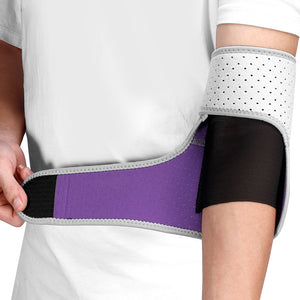
When managing early signs of strain or recovering from an active flare-up, external joint support can stabilize the area and promote recovery. Many athletes wonder: do wrist braces help carpal tunnel symptoms during daily recovery? Proper bracing limits harmful range of motion and prevents the joint from collapsing into deep flexion or extension.
-
Nighttime Stabilization: Wearing a dedicated carpal tunnel brace while resting ensures the wrist remains straight all night, reducing morning stiffness and numbness.
-
Daily Ergonomic Support: Using lightweight support like a quality carpal tunnel wrist brace during extended computer work keeps the joint aligned and minimizes micro-trauma.
-
Choosing Quality Gear: Selecting an option from Fivali provides the needed structural stability while utilizing breathable, lightweight materials designed specifically for an active lifestyle.
Targeted Warm-Ups and Soft Tissue Work
Preparing forearms and wrists before lifting improves mobility and reduces tissue friction.
-
Forearm Flexor Self-Massage: Use a lacrosse ball to gently release tight forearm flexor muscles, reducing pull on the wrist tendons.
-
Median Nerve Glides: Gentle nerve flossing exercises help the median nerve slide smoothly through the carpal canal without getting caught on inflamed surrounding tissue.
-
Controlled Articular Rotations: Perform slow, unweighted wrist circles through a full, pain-free range of motion to increase synovial fluid circulation before heavy sets.

Long-Term Maintenance and Joint Health
Preventing carpal tunnel flare-ups requires long-term consistency in training management and daily wrist care. By balancing push-and-pull movements, monitoring overall grip volume, maintaining neutral wrist mechanics, and utilizing a carpal tunnel wrist brace for nocturnal support when symptoms arise, athletes can continue lifting heavily without compromising nerve function or joint longevity. Paying attention to early warning signs ensures continuous progress in the gym while keeping performance high and wrist discomfort at bay.
-
Veröffentlicht in
Wrist Injury